
How fast does mold grow after water damage?
Mold can start within one to two days. EPA says that if wet or damp materials are dried 24 to 48 hours after a leak or spill, in most cases mold will not grow. Every hour a wall, floor or ceiling stays wet makes mold more likely.
Mold needs moisture, and nothing else about it is mysterious. EPA says none of the many types of mold will grow without water or moisture. Spores are already in the air of every building. They only become a problem when they land on a wet spot and stay there.
AES lists the usual causes on its mold remediation FAQs page: a roof leak, a flooded area, high humidity, or a leak around doors, windows and ventilation. The materials mold feeds on are common in a house: wood, wallpaper, insulation, painted surfaces, ceiling tiles and carpet.
| Water event | Why mold risk is high | First move |
|---|---|---|
| Burst or leaking pipe | Water gets inside walls and under floors where you cannot see it | Shut off the water, then start drying |
| Roof or window leak | Slow, repeated wetting of insulation, drywall and ceiling tiles | Fix the leak, then dry and check the area |
| Basement or crawl space flooding | Large wet surface area and high humidity | Remove standing water, run drying equipment |
| Sewage backup | Contaminated water, not just clean water | Call a professional (see below) |
| Appliance overflow | Water spreads under flooring and cabinets | Pull wet items, dry the subfloor |
What should I do in the first 48 hours?
Stop the water, remove what you can, and dry fast. These steps are for clean water from a pipe, appliance or small leak. They do not cover sewage or flood water, which need a professional. The goal is to beat the 24 to 48 hour window.
- Stop the source. Shut off the water at the valve, or cover the roof leak. Drying does not matter if water keeps coming in.
- Remove standing water. Use towels, mops or a wet vacuum made for water. Do not use a household vacuum on water.
- Pull out soaked, porous items. Wet carpet, padding and ceiling tiles hold water and feed mold. EPA says these may have to be thrown away if they become moldy.
- Open the space and move air. Use fans and, if you have one, a dehumidifier. Open windows when outdoor air is dry.
- Skip the HVAC if you suspect mold. EPA says not to run it if you know or suspect it is contaminated, because it could spread mold through the building.
- Check the hidden spots. Look behind baseboards, under sinks, inside closets on the wet wall, and above stained ceilings.
- Write down what happened. Note the date, the source and what got wet. Photos help any later inspection or conversation with your insurer.
Some jobs are bigger than a fan and a towel. AES also offers fire and water restoration for homes and commercial buildings in St. Louis, St. Charles, and Columbia, Missouri. Its page says restoration starts with removing standing water and drying the building.
How do I know if mold is already growing?
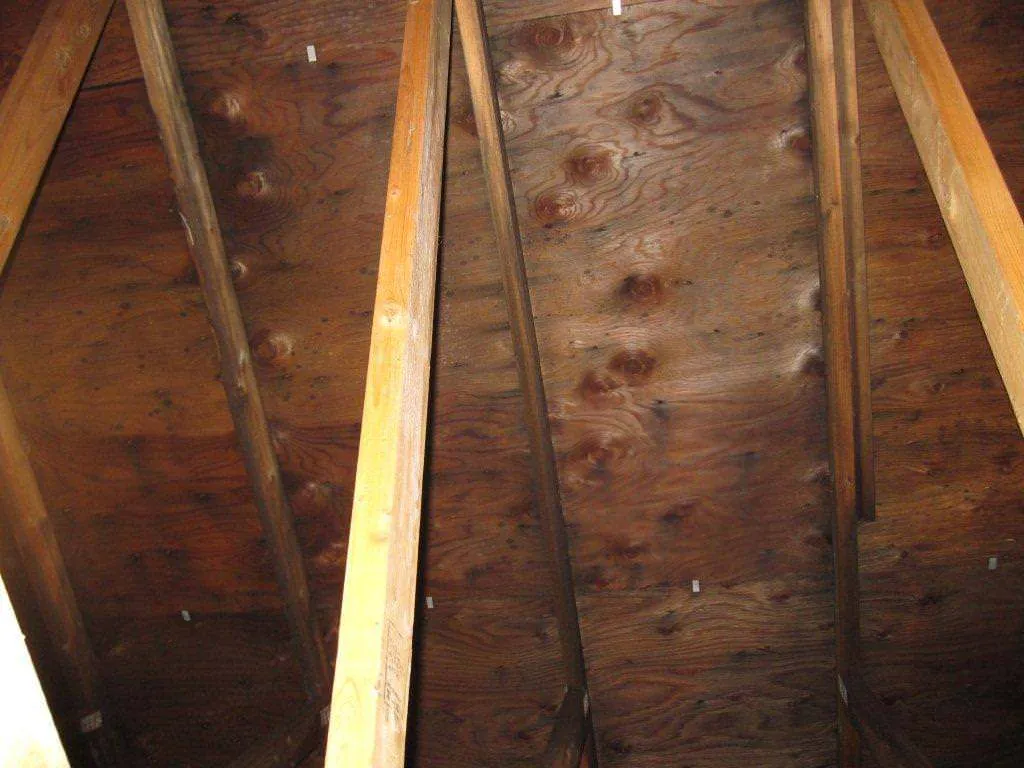
Look for mold spots, a musty smell and new health symptoms. AES says the most obvious sign is the physical appearance of mold in damp areas on walls and floors. It also says mold gives off strong-smelling compounds that can smell “moldy” or musty.
Mold can be dark black or light green, so color alone does not confirm anything. AES says that if you think mold is present, you should have an expert test for it before hiring a remediation company.
| Sign | What it may mean | What to do |
|---|---|---|
| Visible spots on walls, floors or ceilings | Active growth on a damp surface | Mark the area, find the moisture source |
| Musty or “moldy” smell with nothing visible | Growth inside a wall, under flooring or above a ceiling | Schedule a mold inspection |
| Peeling paint or bubbling drywall | Moisture is still in the wall | Check for leaks, measure moisture |
| Sneezing, runny nose, red eyes, skin rash | Allergic reaction in some people, per AES | Talk to a health professional |
| Stains that return after cleaning | The water problem is not fixed | Fix the source before any cleanup |
AES says mold spores can cause an allergic reaction in some people, with sneezing, runny nose, red eyes and skin rash. It says mold can also aggravate asthma and irritate the eyes, skin, nose, throat and lungs. EPA tells people with health concerns to consult a health professional before starting cleanup.
Can I clean the mold myself?
Sometimes. EPA says a moldy area smaller than about 10 square feet, roughly a 3 foot by 3 foot patch, is in most cases a job you can handle yourself. Past that size, or after a lot of water damage, plan a larger response with a professional.
EPA’s own list of exceptions matters more than the 10 square feet number. Treat it as a professional job when any of these is true:
- A lot of water damage occurred, or mold covers more than 10 square feet.
- You suspect the HVAC system holds mold.
- The water was sewage or other contaminated water.
- Someone in the home has health concerns.
For a small patch on a hard surface, EPA says to scrub with detergent and water and dry completely. EPA also says not to paint or caulk over moldy surfaces. Paint over mold is likely to peel.
Do not reach for bleach. AES says chlorine bleach is not recommended because it does not work on the porous surfaces where mold grows most. It may kill surface mold and fade stains, but dead spores can still cause allergic reactions. AES also says wiping or rubbing mold can spread it. Our short post on mold over 10 square feet covers when to stop and call.
What does professional mold remediation involve?
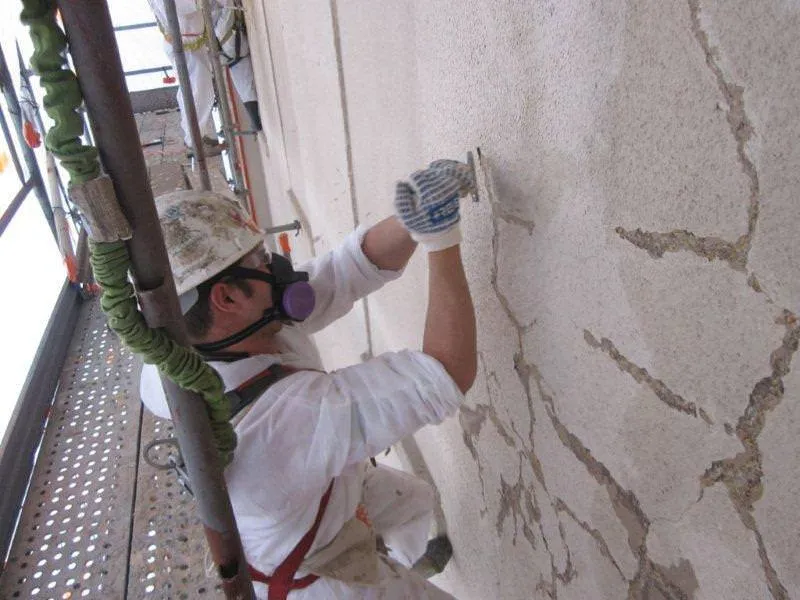
A professional job finds the moisture source, contains the area, removes contaminated material, dries the space and replaces what mold destroyed. AES describes the process as more than cleaning, because the cause has to be fixed or mold returns.
Here is the sequence AES describes on its cost and FAQ pages, in the order a job usually runs:
- Inspection. Locate all mold, including hidden growth between walls and under flooring.
- Find the cause. Pipe or ceiling leaks, condensation, high humidity or a recent flood.
- Dry wet areas and solve water leaks. AES calls this step well worth the cost, because it prevents repeat growth.
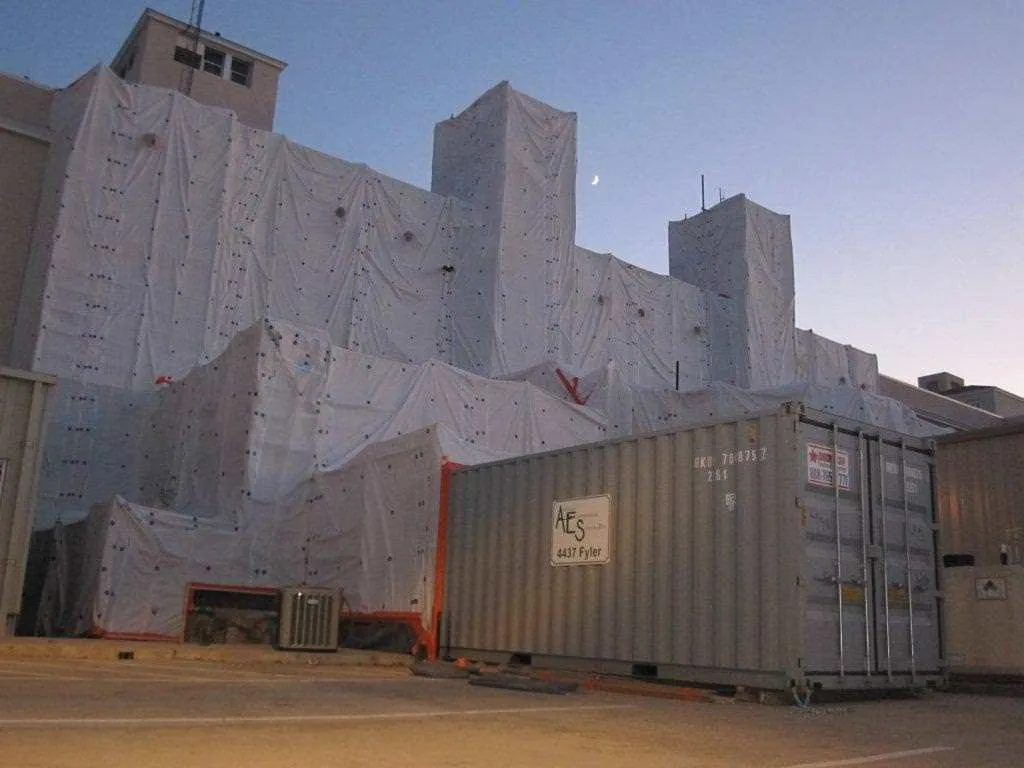
- Contain the work area. AES says remediation should happen in a confined area using negative air flow and commercial grade antimicrobials. Containment keeps mold spores from drifting to clean rooms.
- Kill and remove mold. AES says dead mold can still cause health problems, so contaminated material is removed, not just treated.
- Replace damaged materials. Remove, replace and repair what mold ruined. This part varies with the damage.
Containment is the part homeowners cannot copy. A box fan and plastic sheet do not pull air through a HEPA filter. A negative air machine pulls air out of the work area through a filter, so air leaks inward instead of outward.
How do I verify the mold problem is actually fixed?
Check four things: the water source is repaired, all materials are dry, the smell is gone and the contractor can show what they removed. Mold will most likely come back if the water problem stays, so the source is the real test.
Use this checklist at the end of any job, from any contractor:
| Check | What good looks like |
|---|---|
| Water source | A plumber or roofer fixed it, with a receipt or note |
| Moisture | Walls, subfloor and framing are dry when measured |
| Odor | No musty smell after the area is open and dry |
| Material | Contaminated drywall, insulation or carpet is gone, not painted over |
| Containment | The contractor can explain how the work area was sealed and filtered |
| Paperwork | You have a written scope and a record of what was removed |
Some people also want a lab check after the work. A clearance air test is air sampling after cleanup to confirm the area is safe to re-enter. Ask any contractor up front whether they offer one, who does it and what result counts as passing.
What about sewage or flood water?
Call a professional. EPA says that when water or mold damage comes from sewage or other contaminated water, you should call in someone with experience cleaning and fixing buildings damaged by contaminated water. Standing water and wet materials breed viruses, bacteria and mold.
EPA’s flood section adds that failure to remove contaminated materials and to reduce moisture and humidity can create serious long-term health risks. Water that came from outside, from a sewer line, or from an unknown source is not a weekend project. Keep children, pets and anyone with asthma out of the area until it is assessed.
How much does it cost, and how long does it take?
AES publishes one range: prices typically run $1500 to $10,000 for a home showing visible signs of mold, and 1 to 5 days is the normal time for most average jobs. Cost depends on how severe the mold is, what materials are affected and how large the area is.
Those figures come from AES’s own FAQ, and each job is quoted after an evaluation. Our full breakdown is in the mold remediation cost and timeline guide, . Check your own homeowners policy about water damage and mold. Coverage varies, and your insurer is the only one who can answer it.
Where does mold show up first after a leak?
It shows up wherever water sits and material can feed it. AES says mold digests and destroys the surface it grows on, including wood, wallpaper, insulation, painted surfaces, ceiling tiles and carpet. Look at those spots first, then check the places you cannot see.
| Place | Why mold starts there | Quick check |
|---|---|---|
| Carpet and padding | Padding holds water for days | Press the carpet. Does it feel damp or smell musty? |
| Drywall near the floor | Water wicks up from a wet floor | Look for stains, bubbling or soft spots |
| Ceiling tiles and drywall below a leak | Slow roof or pipe leaks soak the ceiling | Look for rings and sagging |
| Insulation in wall cavities | Insulation holds moisture and is hard to dry | A musty smell with no visible source |
| Cabinets and vanities | Leaks under sinks go unnoticed | Open the doors and look at the back panel |
| Crawl spaces and basements | High humidity and little airflow | Smell the air and check for condensation |
AES adds that mold needs a food source, oxygen, water and a workable temperature. It says mold can take moisture from the air when humidity is above 70%, and that normal indoor temperatures are ideal. If temperatures fall below 40F or rise above 100F, AES says mold goes dormant until conditions improve. Dormant is not dead, so a cold snap is not a fix.
For rooms that stay damp, such as bathrooms, EPA says increasing ventilation by running a fan or opening a window, and cleaning more often, will usually keep mold from recurring or keep it to a minimum.
Next step
If water got into your home or building, call AES at (314) 865-2662 or use the quote form at /contact. AES serves St. Louis, St. Charles, and Columbia, Missouri. See the mold remediation page for the full service.
Frequently asked questions
How long does it take for mold to grow after water damage?
EPA says that if wet materials dry within 24 to 48 hours after a leak or spill, mold usually will not grow. Past that window, growth becomes likely. Speed matters more than any product, so remove standing water and start drying right away.
Can I clean mold with bleach after a flood?
AES says chlorine bleach is not a recommended product for mold remediation because it does not work well on porous surfaces, where mold grows most. EPA says to scrub mold off hard surfaces with detergent and water, then dry completely.
Do I need a mold inspection after water damage?
An inspection makes sense when you smell mustiness, see spots, or had water in walls, floors or ceilings. AES says mold may sit out of view, so an expert should look before a remediation crew starts. Dry, clean surfaces with no odor may not need one.
Should I run the HVAC system if I think there is mold?
No. EPA says not to run the HVAC system if you know or suspect it is contaminated with mold, because it could spread mold through the building. Shut it off and call a professional to inspect the system.
Do wet carpet and ceiling tiles have to be thrown away?
Often, yes. EPA says absorbent or porous materials such as ceiling tiles and carpet may have to be thrown away if they become moldy, because mold fills the spaces inside them and is hard or impossible to remove completely.
How do I know the mold is really gone?
Look for four things: the water source is fixed, materials are dry, no musty odor remains, and the contractor shows you what was removed and how. EPA warns that mold returns if the water problem stays. Ask your contractor what verification they provide.
Terms on this page
Sources
- US EPA: A Brief Guide to Mold, Moisture and Your Home
- US EPA: A Brief Guide to Mold, Moisture and Your Home (moisture control)
- US EPA: Mold Cleanup in Your Home
- US EPA: Mold Cleanup in Your Home (contaminated water)
- US EPA: Mold Cleanup in Your Home (HVAC)
- US EPA: Mold Cleanup in Your Home (porous materials)
- US EPA: Mold Cleanup in Your Home (hard surfaces)
Written by Advanced Environmental Services and checked against the sources above on October 30, 2026. Rules change, so check the linked page before you act.