
How much mold can you clean up yourself?
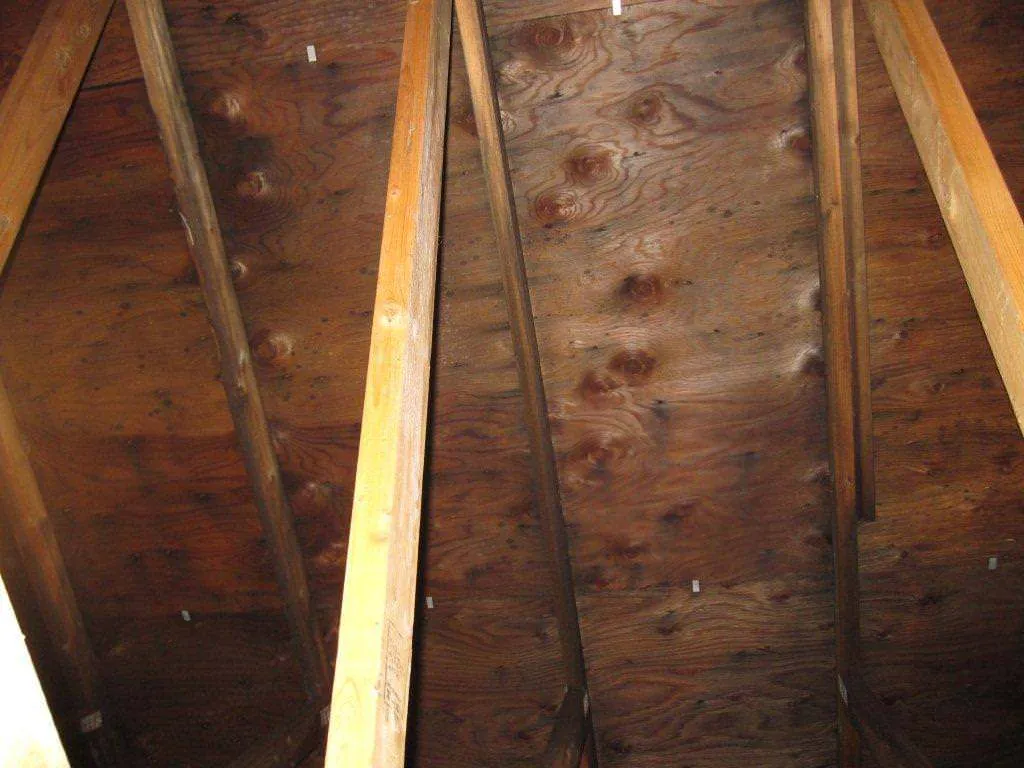
Less than about 10 square feet. EPA says that if the moldy area is under about 10 square feet, “less than roughly a 3 ft. by 3 ft. patch,” you can handle the job yourself in most cases. The key words are “in most cases.” The size rule is a starting point, not a promise that every small patch is safe to wipe off.
The 10 square foot line also does not stand alone. EPA lists other situations where size is not the only test. They are in the next sections.
When does EPA point you to a professional?
When mold covers more than 10 square feet, or there has been a lot of water damage. EPA says to consult its guide, “Mold Remediation in Schools and Commercial Buildings,” and notes that it applies to other building types too. If you hire out the work, EPA says to pick a contractor with experience cleaning up mold, check references, and ask them to follow recognized guidelines.
Use this table as a quick check:
| Your situation | EPA’s guidance |
|---|---|
| Mold under about 10 sq ft | In most cases, you can clean it yourself using EPA’s tips |
| Mold over 10 sq ft | Consult EPA’s remediation guide; if you hire help, pick a contractor with mold experience |
| A lot of water damage | Same as above |
| Sewage or other contaminated water | Call a professional with experience in contaminated water |
| Mold near or in the HVAC system | Read EPA’s air duct guide first; do not run the system |
| Health concerns | Talk to a health professional before you start cleanup |
What about sewage, HVAC and health concerns?
These three change the answer no matter how small the patch is. EPA says sewage or contaminated water damage needs a professional with experience. If you suspect mold in the heating and air system, EPA says do not run it, because it could spread mold through the building. And if anyone in the home has health concerns, EPA says to consult a health professional before cleanup.
If you cannot see all of the mold, you cannot size it. A mold inspection is one way to learn how far it goes. The glossary entry on mold spores explains how mold spreads, and black mold covers a common worry.
What does EPA say a small cleanup looks like?
Fix the water problem, scrub hard surfaces with detergent and water, and dry everything. EPA’s tips for small jobs:
- Fix plumbing leaks and other water problems as soon as possible. Dry all items completely.
- Scrub mold off hard surfaces with detergent and water, and dry completely.
- Throw away absorbent or porous materials such as ceiling tiles and carpet if they become moldy.
- Do not paint or caulk moldy surfaces.
- Avoid exposing yourself or others to mold.
EPA also warns that mold “damages what it grows on. The longer it grows, the more damage it can cause.” Act quickly. In a bathroom, EPA says more ventilation and more frequent cleaning will usually keep recurring mold to a minimum.
Why does the water source matter more than the mold?
Because mold returns if the moisture stays. EPA puts the first step in bold: fix plumbing leaks and other water problems as soon as possible, then dry all items completely. Cleaning without fixing the water problem only starts the clock again. Our glossary entry on mold remediation defines the full process, and the entry on moisture barriers explains one way to slow moisture coming through concrete.
Not sure which service name applies? Read our comparison of mold remediation vs mold removal and our guide to mold after water damage.
How do you decide?
Ask four questions in order.
- Is the area larger than about 10 square feet, or could it be?
- Did sewage or other contaminated water cause it?
- Could the HVAC system be involved?
- Does anyone in the home have health concerns?
A “yes” to any of them is a reason to call for help instead of cleaning it yourself. A “no” to all four means EPA’s small-job tips may fit. Dry the area fully.
What should you ask a mold contractor?
EPA gives a short list. If you hire a contractor or other service provider, make sure the contractor “has experience cleaning up mold.” Check references. Ask the contractor to follow the recommendations in EPA’s guide, “Mold Remediation in Schools and Commercial Buildings,” or guidelines from groups such as ACGIH or IICRC, or other guidelines from professional or government organizations.
Then add your own questions. What is the scope in square feet? How will the water source be fixed? What will be thrown away? Get it in writing. For cost information, see our mold remediation costs page.
Next step
Advanced Environmental Services provides mold remediation in St. Louis, St. Charles and Columbia, Missouri. Call (314) 865-2662 or use the quote form at /contact if your mold covers more than 10 square feet, or if you are not sure how far it goes.
Frequently asked questions
How big is 10 square feet of mold?
EPA describes it as less than roughly a 3 foot by 3 foot patch. Measure the visible mold, then remember that mold behind walls or under flooring may add to the total. If you cannot see all of it, treat the problem as larger.
Should I paint or caulk over mold?
No. EPA says not to paint or caulk moldy surfaces. Clean the mold and dry the surface before painting, because paint applied over moldy surfaces is likely to peel. Fix the water source first or the mold returns.
What if the water came from a sewage backup?
Call a professional. EPA says that if sewage or other contaminated water caused the damage, you should call in someone with experience cleaning and fixing buildings damaged by contaminated water. Do not clean it up yourself.
Terms on this page
Sources
- U.S. EPA: Mold Cleanup in Your Home
- U.S. EPA: Mold Cleanup in Your Home, larger jobs
- U.S. EPA: Mold Cleanup in Your Home, contaminated water
- U.S. EPA: Mold Cleanup in Your Home, HVAC
- U.S. EPA: Mold Cleanup in Your Home, painting
Written by Advanced Environmental Services and checked against the sources above on October 30, 2026. Rules change, so check the linked page before you act.