
On this page
- Complete Hazardous Material Abatement and Demolition Services
- Specialized Interior Demolition Contractors
- Complete Building Demolition or Facility Abatement
- Contact our Demolition Contractors in St. Louis, St. Charles, & Columbia, Missouri
- Learn More from Our Demolition Contractors
- What types of demolition does AES do?
- What happens before demolition: surveys, notices and permits?
- Why does asbestos matter before any demolition in Missouri?
- How are utilities, hazmat and debris handled?
- What does demolition cost and what drives it?
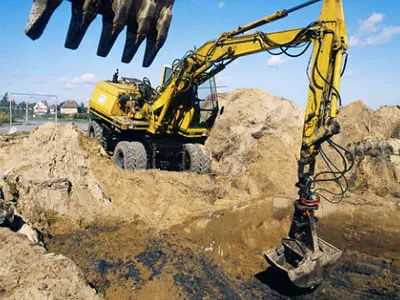
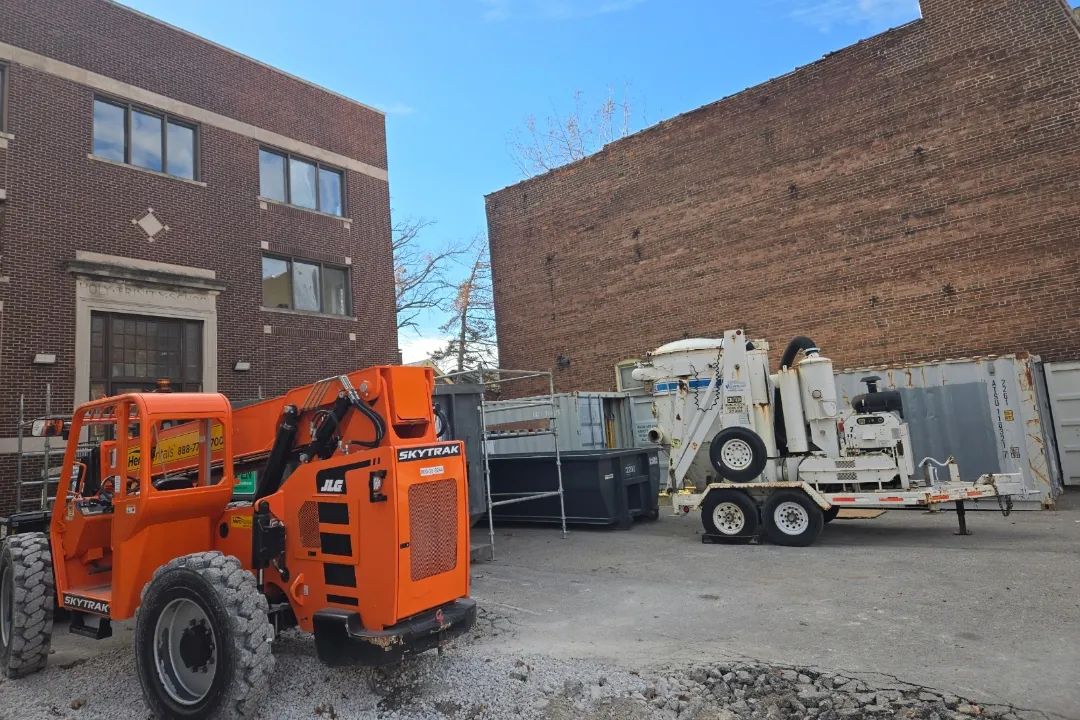
Advanced Environmental Services offers a complete range of demolition services. Whether you are demolishing an existing building or structure or preparing for a major remodel, we are leading demolition contractors with the experience and knowledge needed for both large and small jobs. Our demolition contractors are prepared to safely and efficiently complete any demolition project for commercial, industrial, and residential properties. Our complete demolition services available to clients throughout St. Louis, St. Charles, and Columbia, Missouri include:
- Total Building Removal
- Complete or Specialized Interior Demolition
- Trash Removal
- Underground Storage Tank Removal
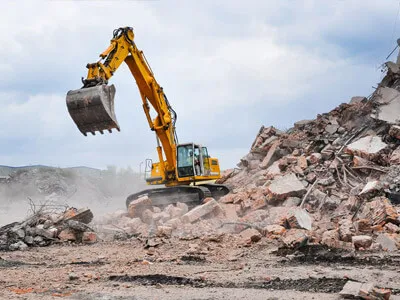
Complete Hazardous Material Abatement and Demolition Services
Because Advanced Environmental Services is an environmental remediation company experienced in mold removal, asbestos abatement, and lead remediation, we can offer complete renovation or demolition packages that incorporate hazardous material abatement in addition to demolition. Our demolition contractors follow OSHA recommended demolition practices when removing asbestos and other hazardous materials during a demolition project. By using Advanced Environmental Services as the only contractor, individuals and businesses that need major projects completed can save time and hassle as our demolition contractors will be responsible for a complete range of services. Therefore, as demolition contractors, Advanced Environmental Services will manage your entire project including hazardous material abatement, demolition, and renovation services.
Specialized Interior Demolition Contractors
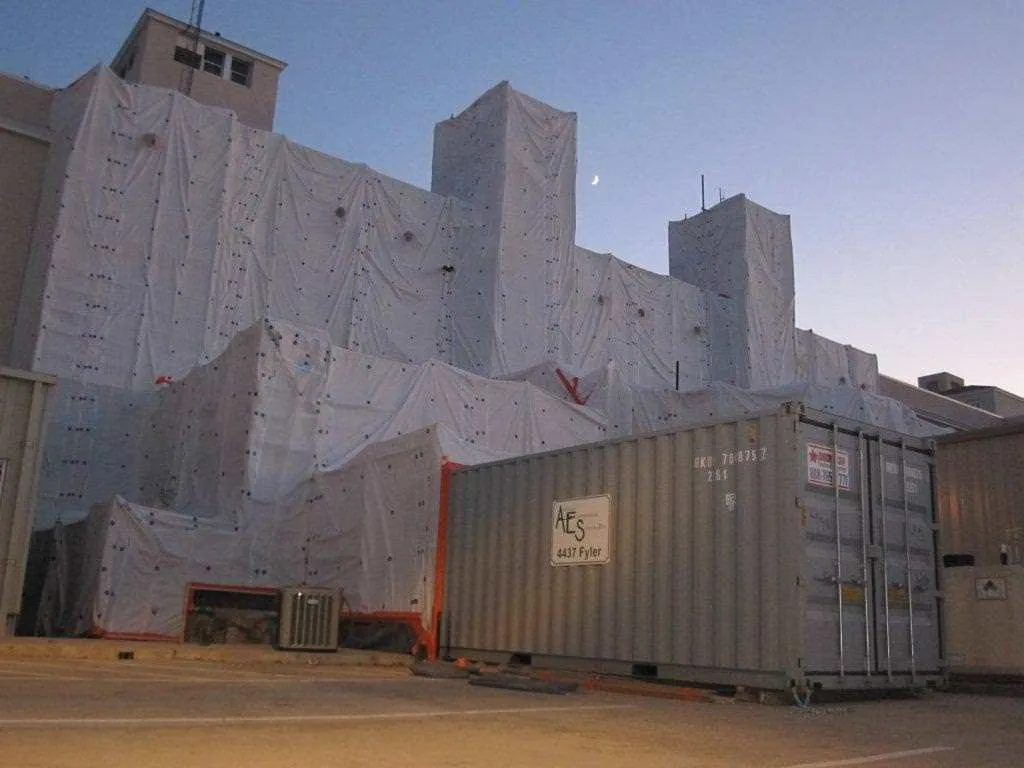
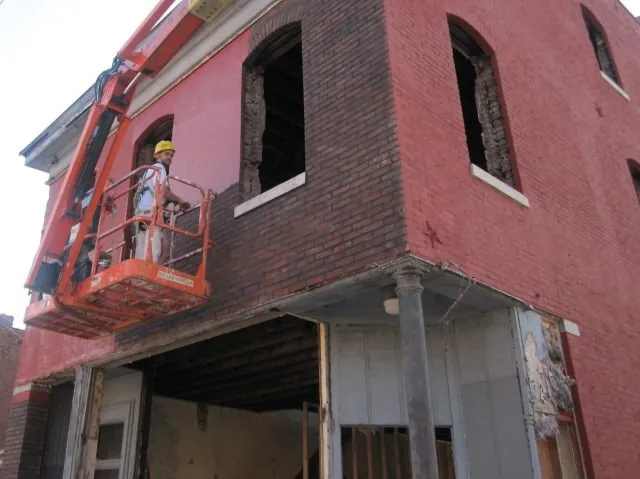
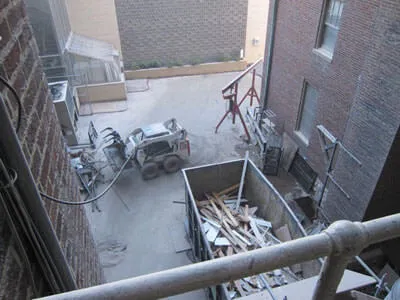
As a leading demolition contractor company operating in Missouri, Advanced Environmental Services specializes in interior abatement or demolition services. Interior demolition involves removing the inside of a structure without harming the exterior or structural integrity of the building. Specifically, our demolition contractors are able to complete any size interior demolition project even in buildings that are currently occupied. Even if an interior demolition project includes hazardous material removal, our demolition contractors will contain the dirt, dust, and debris within our work area allowing part of the building to remain occupied. This can allow you to continue business while your demolition project is completed.
Complete Building Demolition or Facility Abatement
Facility abatement or complete building demolition refers to the total removal of a building or structure. The building demolition services, which are available from our demolition contractors, include the demolition, cleanup, and removal of an entire building and all of its materials. Our demolition contractors are experienced working with hazardous materials and will take care to remove any contaminants or pollutants during a building demolition project.
Contact our Demolition Contractors in St. Louis, St. Charles, & Columbia, Missouri
If you are planning a complete building demolition, underground storage tank removal, or interior demolition project in Missouri, including in St. Louis, St. Charles, or Columbia, contact our demolition contractors to learn more about our demolition services. Prior to any demolition project, we will provide an accurate and comprehensive demolition survey report. This survey, performed by experienced, licensed inspectors, will analyze and report the existence of any hazardous materials including mold, asbestos, or lead.
As a St. Louis-based demolition contractor offering demolition and environmental remediation services to residential, industrial, and commercial clients throughout Missouri, Advanced Environmental Services operates in a number of towns and major cities including:
- St. Louis, MO
- St. Charles, MO
- Columbia, MO
Learn More from Our Demolition Contractors
To learn more about building demolition, check out the links below:
- Tips for Finding the Best Demolition Company
- FAQs from a Demolition Expert
- Building Demolition Costs: Factors Affecting Cost
What types of demolition does AES do?
AES does three kinds of demolition: total building removal, complete or specialized interior demolition, and hotel work. It also removes trash and underground storage tanks. The right type depends on what must stay standing, how much hazardous material is inside, and whether anyone still uses the building.
| Type | What comes out | What stays | Best fit |
|---|---|---|---|
| Total building removal | The whole structure, cleanup and debris | Nothing above grade | Cleared lots, teardown and rebuild |
| Interior demolition | Walls, ceilings, partitions, pipes, fittings | Outer shell and structure | Remodels, tenant buildouts, flood or mold cleanout |
| Hotel demolition | Rooms, finishes, hazardous materials, or the full building | Depends on the plan | Hotels that stay partly open |
| Selective wing or floor removal | One section | The rest of the building | Expansions and phased projects |
A glossary entry on interior demolition explains the term in plain words. For a full walkthrough of a building teardown, see building demolition.
Match the type to the goal before you ask for bids. A contractor who sees a clear scope writes a tighter quote. A vague scope leads to change orders.
What happens before demolition: surveys, notices and permits?
Three things happen first: a survey, a notice and a permit check. The survey finds hazardous materials. The notice tells regulators the work is coming. The permit check confirms what your city or county requires. None of these can be skipped, and the notice has a waiting period.
AES says it provides an accurate and comprehensive demolition survey report before any demolition project. Licensed inspectors do the survey. The report covers mold, asbestos and lead.
A typical order of work looks like this:
- Walk the site and define the scope.
- Complete the demolition survey and lab results.
- Submit the state and local notification with the inspection report.
- Confirm permits with the city or county.
- Shut off and cap utilities.
- Remove hazardous materials first.
- Demolish, sort debris and clear the site.
Steps 2 through 4 set the earliest start date. Start them as soon as you commit to the project. The demolition from survey to debris guide follows each step in more detail.
Why does asbestos matter before any demolition in Missouri?
Asbestos matters because demolition can break up materials that release fibers, and Missouri regulates that work. The state requires notice for demolition of regulated structures even when the survey finds no asbestos. If the survey finds asbestos, a registered contractor must handle it before the building comes down.
Missouri DNR states its rule this way: “The department requires notification of demolitions and abatement projects involving regulated structures at least 10 working days before crews begin a project.” (Missouri DNR, as of October 2026). DNR also states that “A demolition notice is required even if there is no asbestos identified in the structure being demolished.” Most single-family homes are exempt from the asbestos rules, but commercial buildings and some residential buildings are not. Check the DNR page before you assume you are exempt.
Two terms help here. An asbestos survey is the inspection and sampling that finds the material. NESHAP is the federal rule behind the notice. The post on the 10 working day notice covers the clock in detail, and the Missouri demolition and renovation asbestos rules guide covers the thresholds.
If your survey shows asbestos, see asbestos abatement and asbestos survey.
How are utilities, hazmat and debris handled?
Utilities come off first, hazardous materials come out second, and structural demolition comes last. Debris is sorted at the end so recyclable material stays separate from waste. This order keeps crews safe and keeps contaminated material out of the general debris pile.
Utilities. Gas and electric must be disconnected and meters removed if they sit near the work. Many demolition crews prefer to leave water connected, because it helps control dust. The utility companies perform their own disconnects, and they may charge a fee.
Hazardous materials. AES follows OSHA recommended demolition practices when it removes asbestos and other hazardous materials during a demolition project. Mold, lead and asbestos come out before heavy equipment starts. See mold remediation and lead abatement for those services.
Containment. In occupied buildings, AES says it contains dirt, dust and debris within the work area. Containment uses sealed barriers and filtered air so the dust stays where the crew works.
Debris. AES salvages and recycles material when possible. Its own list includes roofing materials, brick and stone, wiring and conduit, wood, flooring and plasterboard, and metals such as iron, steel, copper and brass. Anything harmful goes to authorized disposal. If the site was an old gas station, warehouse or plating plant, the soil may need cleanup too. See environmental remediation services.
What does demolition cost and what drives it?
Demolition has no universal price. Cost depends on building size, project type, hazardous material abatement, timeline, equipment, permits, utility fees and salvage. AES quotes each job and does not publish a flat rate. Use the factors below to compare bids line by line.
| Cost driver | Why it moves the price |
|---|---|
| Square footage | Time and labor track the size of the building. |
| Project type | Interior work is more hand labor. Full teardown uses heavy equipment. |
| Hazardous material | Testing, removal and disposal add cost before demolition starts. |
| Timeline | A small or medium building can take 5 to 10 days. Large projects can run for months. |
| Equipment | Heavy machines cost money while they sit on site. |
| Permits and notices | Each permit and notification carries a charge. |
| Utility disconnects | Utility companies may charge to remove meters and services. |
| Salvage | Sorting recyclable material costs labor up front. It can offset cost later. |
The detailed list is on the building demolition costs page. Ask every bidder whether the quote includes abatement, permits and disposal. A low number that leaves them out is not low.
How do permits differ in St. Louis, St. Charles County and Columbia?
Each place has its own office. State asbestos notice rules apply everywhere in Missouri, but city and county permit rules differ. Confirm the local requirement before you schedule a crew. A contractor can usually file the paperwork for you.
St. Louis. The City of St. Louis Department of Health is the delegated authority for asbestos and demolition notifications and inspections, under an agreement with Missouri DNR. Projects are reported on the STL City Permits website. The City’s Air Pollution Control page lists notification and inspection fees, so check it for current amounts. See St. Louis City asbestos permit.
St. Charles County. The county and the City of St. Charles each publish demolition permit information. Read the St. Charles, Missouri service area page before you apply.
Columbia and Boone County. Boone County Resource Management says “The County does not require a demolition permit,” but it points to the Boone County Health Department for asbestos removal and the fire district for controlled burns. The City of Columbia runs its own planning and inspection. State DNR notification still applies. See the Columbia, Missouri page.
Rules and fees change, so these notes are current as of October 2026. Always confirm with the office before you file.
Can the same crew handle abatement and demolition?
Yes. AES offers renovation and demolition packages that include hazardous material abatement, so one contractor can survey, abate, demolish and clear the site. That keeps one schedule, one set of paperwork and one point of contact.
AES says it can save time and hassle because its crews are responsible for the full range of services. In practice, that means fewer handoffs. The abatement crew finishes and the demolition crew starts without a gap for rebidding. Clearance and disposal records stay in one file.
This is useful in three common cases:
- Hotels and large commercial buildings that stay partly open during work.
- Older homes and rental properties where asbestos, lead or mold turn up behind walls.
- Brownfield or industrial sites where the soil or tanks need attention as well. See tank removal and soil remediation.
AES serves residential, commercial, industrial, governmental and healthcare customers in St. Louis, St. Charles and Columbia, Missouri. It is a minority-owned business and a Union Signatory Contractor. Learn more on the about page, or compare how demolition companies differ in what they include. Common questions are answered by a demolition expert.
Next step
Ready to scope a teardown or interior demolition? Call AES at (314) 865-2662 or send details through the contact page. Ask for a demolition survey, a written scope and a quote that lists abatement, permits and disposal.
Frequently asked questions
Do I need an asbestos survey before demolishing a building in Missouri?
Yes. A demolition notice is required even if no asbestos is found, and the inspection report goes with it. AES provides a demolition survey report from licensed inspectors that covers mold, asbestos and lead. Order the survey early, because the notice clock cannot start without it.
How long does a demolition take?
It depends on the job. AES says paperwork and notification take a minimum of 10 working days when asbestos is on site, and a house with all paperwork in place can often come down in 3 to 5 days. Larger buildings take longer. Ask for a schedule with your quote.
What utilities must be shut off before demolition?
Gas and electric must be disconnected and meters removed if they are near the work. Many demolition crews prefer water left connected for dust control. Utility companies handle their own disconnects, so request them as soon as the project is approved.
Can you demolish part of an occupied building?
AES says it can complete interior demolition in occupied buildings. The crew contains dirt, dust and debris inside the work area so the rest of the building stays in use. Tell us which areas must stay open when you request a quote.
Who pays for demolition permits and notification fees?
Fees vary by city and county, and contractors often include them in the quote. Ask whether permits and notification fees are listed as separate lines. AES quotes each job, so request the full list of what the price covers.
Does demolition debris get recycled?
Some of it can be. AES says roofing, brick, stone, wiring, wood, flooring, plasterboard and metals such as steel and copper can be salvaged or recycled when possible. Hazardous materials go to authorized disposal instead.
Terms on this page
Sources
- Missouri Department of Natural Resources: Asbestos
- Missouri Department of Natural Resources: Asbestos demolition and renovation guidance (PUB2554)
- City of St. Louis: Air Pollution Control
- Boone County Resource Management: Frequently Asked Questions
Checked against the sources above on October 30, 2026. Rules change, so check the linked page before you act.