

On this page
- Lead Hazards Requiring Lead Paint Remediation and Lead Abatement
- Professional Lead Paint Remediation
- Learn More About Lead Paint Remediation
- What is lead abatement, and how is it different from lead-safe renovation (RRP)?
- Why does Missouri require a licensed lead abatement contractor?
- Which homes and buildings are most likely to have lead paint?
- How is lead paint tested?
- How does a lead abatement project work?
- How do I keep my family safe during the work?
- What does the City of St. Louis offer for lead inspections?
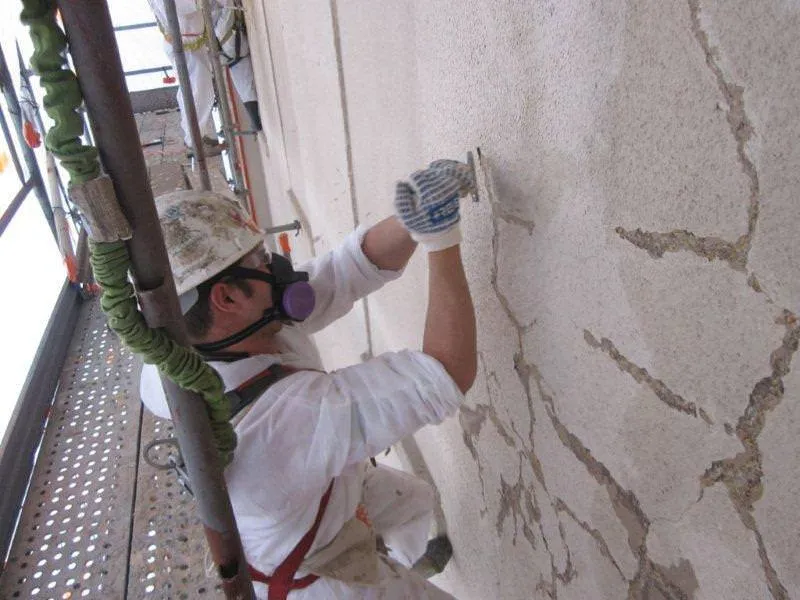
Many homes and buildings built before 1978 contain lead-based paint. As this paint begins to deteriorate through normal wear and tear or during renovation projects, it releases harmful lead and lead dust throughout a variety of places in and around a home, business, or industrial property. Dust and paint chips from lead paint are a major source of lead poising for both children and adults. Therefore, if you believe that your residential, industrial, or commercial property, contains lead paint, you may need lead paint removal or lead abatement services to remove any hazardous material. Contact Advanced Environmental Services in St. Louis for an evaluation or to learn more about our professional lead paint removal services available throughout St. Louis, St. Charles, and Columbia, Missouri.
Lead Hazards Requiring Lead Paint Remediation and Lead Abatement
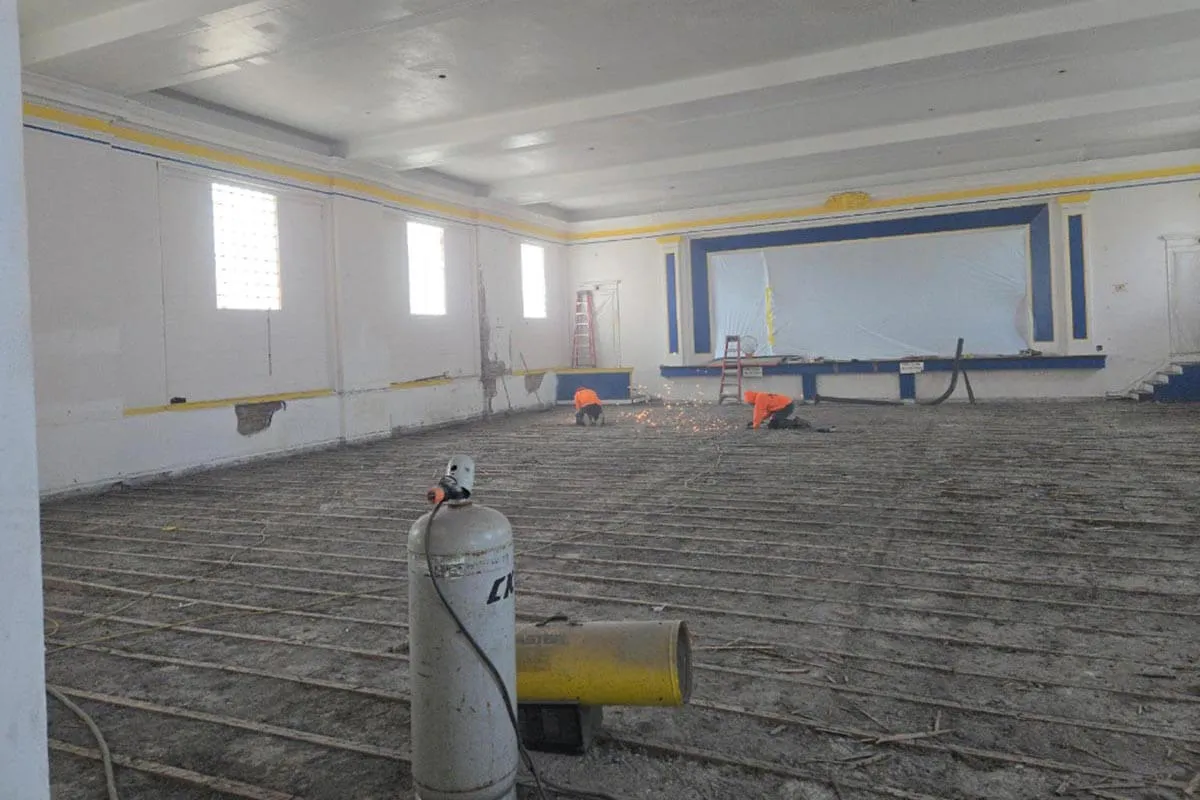
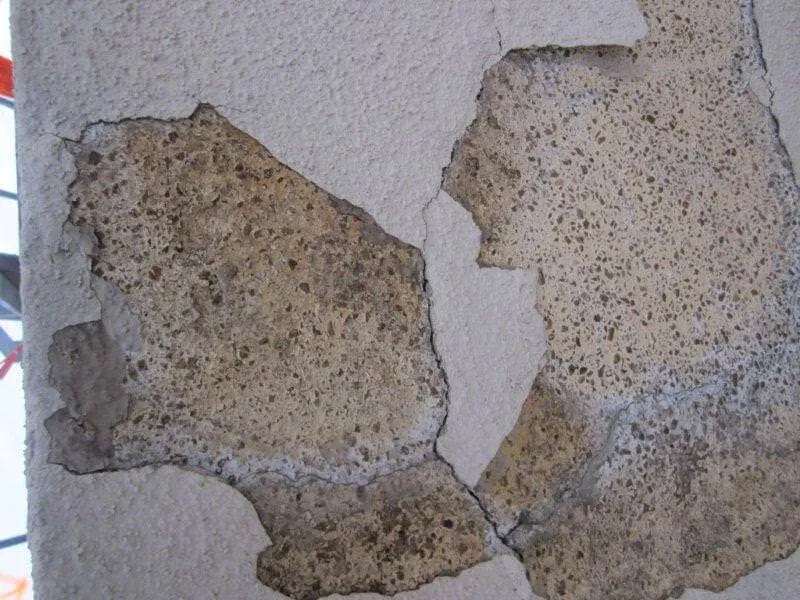
Lead paint that is in good condition is typically not a hazard. However, during renovations and when lead-based paint begins to deteriorate, lead paint chips and dust can become a hazard. If you find lead paint in one of the following situations, you should contact Advanced Environmental Services for evaluation and lead paint remediation services. Common sources for lead poisoning that require lead paint remediation include:
-
Peeling, chipping, chalking, or cracking of lead paint
-
Lead paint on surfaces, which children may chew on or often come into contact with
-
Lead paint on surfaces that get lots of wear including windows, window sills, doors, door frames, stairs, stair rails, hardwood floors, porches, or fences
-
Lead in soil around buildings or houses
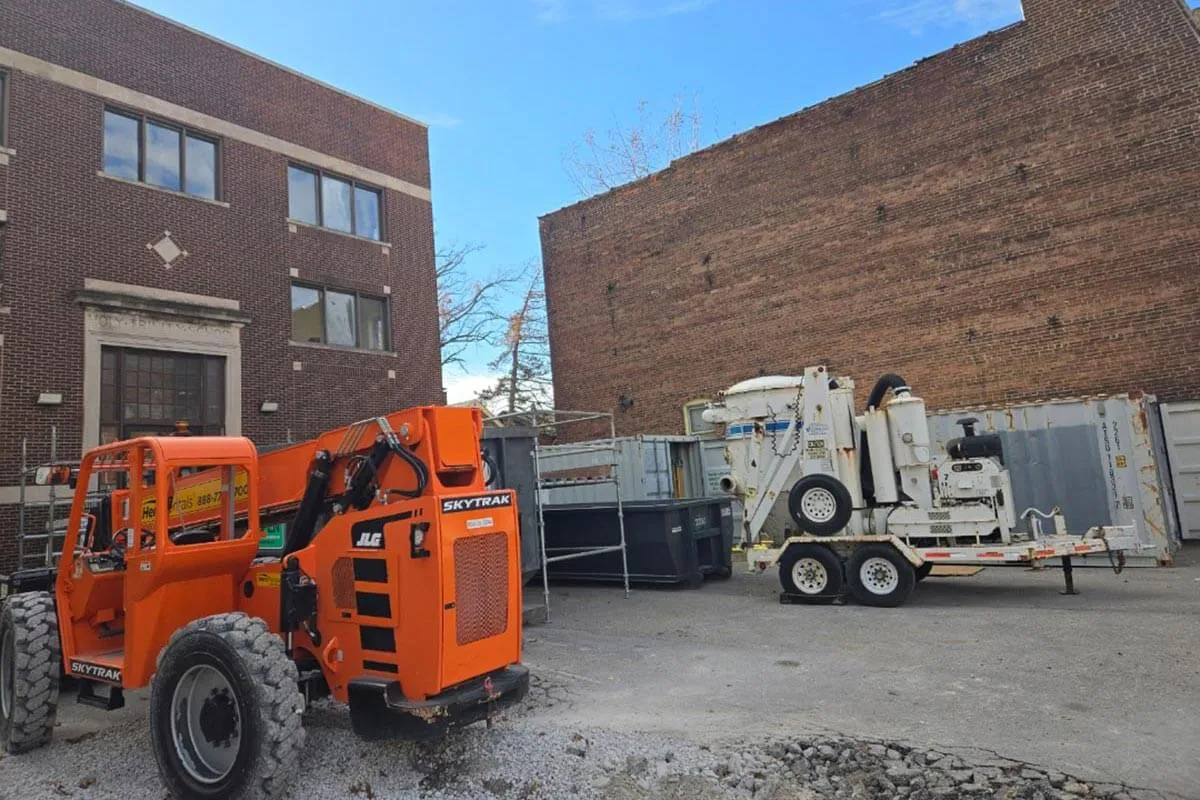
Other situations where lead paint can be a potential hazard also include in multi-family buildings because any problem and liability can be compounded due to the large number of families who could be potentially affected. Additionally, renovation projects can release lead and dust into the air resulting in hazardous situations, and therefore, lead paint remediation may be required before a major renovation. Finally, industrial activities may produce lead or lead by-products that result in the contamination of buildings, soil, or water. In these situations, lead paint remediation is required to remove hazards.
Professional Lead Paint Remediation
Because lead-based paint can result in dangerous health consequences for both children and in pregnant women, lead paint chips and dust from lead paint should be controlled and removed to ensure a healthy environment. The lead paint remediation services available from Advanced Environmental Services will remove all traces of dangerous lead paint and dust, ensuring a healthy living or work environment. There are also some steps that you can take as an individual to help reduce the presence of lead dust or paint chips. These steps include:
-
Wiping down flat surfaces, such as window sills, with a damp paper towel
-
Moping smooth floors regularly using a damp mop
-
Vacuuming carpets and upholstery to remove dust
-
Carefully picking up and disposing of lose paint chips
However, while these steps may help limit exposure to hazardous lead dust and paint chips, professional lead paint remediation is the safest way to ensure that all lead paint, paint chips, and lead dust is removed from your home or commercial building. In fact, removing lead paint improperly can increase dust resulting in greater health risks for you and your family. Therefore, our professional lead paint remediation services for residential and commercial customers can reduce dangers and ensure a healthy, lead free living or work environment.
Learn More About Lead Paint Remediation
To learn more information about lead remediation, visit the EPA’s Lead Paint Website or learn more facts about lead paint.
What is lead abatement, and how is it different from lead-safe renovation (RRP)?
Lead abatement is work meant to permanently address lead-based paint hazards. Lead-safe renovation, called RRP, is a set of work practices for jobs that disturb paint but are not abatement. EPA says the two “may sometimes look similar, but they are two separate programs that require different certifications.”
The difference decides who can bid your job. Here it is side by side, as of October 2026:
| Lead abatement | RRP (renovation, repair and painting) | |
|---|---|---|
| Purpose | Permanently address lead-based paint hazards | Use lead-safe work practices during repair, remodel or painting that disturbs paint |
| Who regulates it | Missouri DHSS licenses abatement contractors and workers. EPA sets federal certification rules | EPA. Missouri DHSS points to EPA for RRP |
| Who does the work | Licensed lead abatement contractor and licensed individuals | EPA lead-safe certified firm and certified renovators |
| Typical jobs | Removal, replacement, enclosure or encapsulation of lead paint; work tied to an elevated blood lead investigation | Window replacement, remodel, repainting in pre-1978 homes |
| Covers | Pre-1978 housing and child-occupied facilities | Pre-1978 housing and child-occupied facilities |
Missouri DHSS puts the line this way: the RRP rules “have not altered federal or state regulations on lead abatement.” Anyone performing abatement strategies must still be licensed by DHSS and give the department any required notice.
RRP applies when paid work disturbs more than six square feet of interior painted surface or twenty square feet of exterior painted surface in a pre-1978 home or child-occupied facility, according to DHSS. Read the glossary entry on the RRP rule for the short version, and the entry on lead abatement for the term itself.
Why does Missouri require a licensed lead abatement contractor?
Missouri requires it to keep lead work in the hands of trained, inspected people. DHSS licenses lead abatement supervisors, workers, inspectors, risk assessors, project designers and the contractor firms that employ them. It also runs random inspections of contractors to check work practice standards.
Federal rules point the same way. EPA requires individuals and firms who perform lead-based paint inspections, risk assessments and abatement in pre-1978 housing and child-occupied facilities to be certified and follow specific work practices.
For a property owner, the practical rule is simple. Before you sign for lead abatement, ask the contractor for its DHSS lead abatement contractor license and the license of the supervisor who will be on site. Then verify it with the department. Our post on the Missouri lead abatement license explains how.
Do not hire an RRP-only contractor for abatement work, and do not assume an abatement contractor will also handle your remodel. Ask for the right credential for the job you have.
Which homes and buildings are most likely to have lead paint?
Older ones. DHSS says any housing built before 1978 may be considered suspect, and that nationally pre-1950 housing is most likely to contain lead-based paint. EPA says about three-quarters of U.S. homes built before 1978 still contain some lead-based paint.
DHSS gives Missouri estimates by decade:
| Home built | Share estimated to contain lead-based paint in Missouri (DHSS) |
|---|---|
| Before 1949 | As high as 90% |
| 1940 to 1959 | 80% |
| 1960 to 1978 | 60% |
The DHSS ranges overlap in the 1940s, so treat each as an estimate for that era. They are not a test of any single home. Only an inspection tells you what is in yours.
The pre-1978 line also covers child-occupied facilities such as childcare centers and preschools. AES says multi-family buildings raise the stakes because one problem can affect many families, and that industrial activity can leave lead in buildings, soil and water.
Our guide to lead paint in pre-1978 homes goes room by room, and the lead paint facts page covers the basics. See the glossary entry on lead-based paint.
How is lead paint tested?
A licensed lead inspector or risk assessor tests for it. EPA describes an inspection as a surface-by-surface investigation for lead-based paint, and a risk assessment as an on-site investigation of lead hazards in paint, dust and soil, with suggested ways to control them. In Missouri, paint chip sampling must be done by a licensed inspector or risk assessor.
The two services answer different questions:
| Service | Question it answers | What it covers |
|---|---|---|
| Lead inspection | Is there lead-based paint, and where? | Surface-by-surface check of painted components |
| Risk assessment | Is there a lead hazard right now? | Paint, dust and soil, with ways to control hazards |
Inspectors can use a portable XRF analyzer on painted surfaces or collect paint chips for a lab. Because Missouri limits who can take paint chip samples, an EPA-certified renovator who is not also a licensed inspector or risk assessor cannot use that method.
Test before you plan a remodel, and certainly before you sand, scrape or heat old paint. Those jobs make dust. AES says removing lead paint improperly “can increase dust resulting in greater health risks.”
How does a lead abatement project work?
A lead abatement project follows a plan written for your building: test, plan, contain, treat, clean, verify. The treatment depends on the condition and location of the paint. DHSS lists the abatement strategies as removal, replacement, enclosure and encapsulation.
A typical order of work:
- Inspection or risk assessment. A licensed professional finds the lead and the hazards.
- Written plan. The plan names components to treat and the method for each. Ask to see it.
- Notice. DHSS says abatement contractors must provide any required notification to the department.
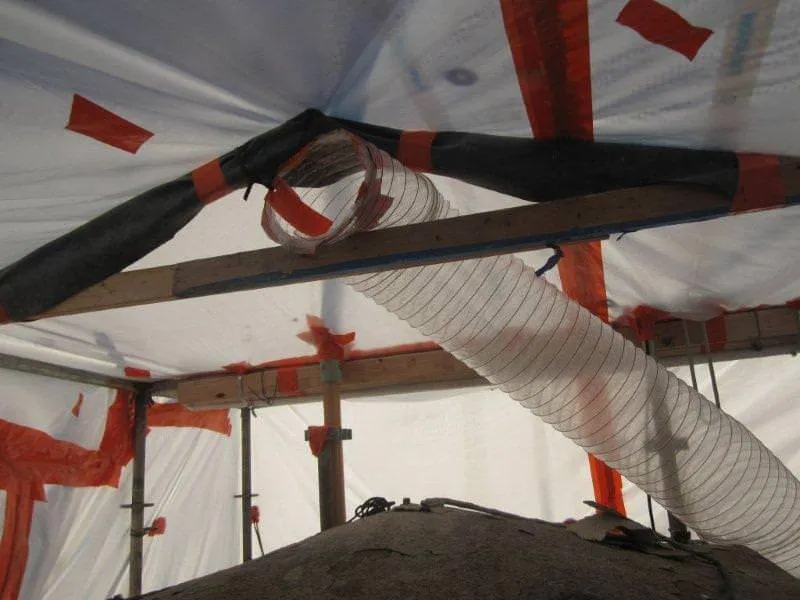
- Set up. The crew seals the work area, protects floors and keeps the family out. See containment.
- Treat. The crew removes or replaces components, or encloses or seals them.
- Clean. The crew uses HEPA vacuums and wet cleaning on hard surfaces.
- Check. Dust tests confirm the area is safe to reoccupy.
- Waste. Debris and cleaning waste leave under the rules that apply.
AES lists lead paint remediation among its services and says it serves St. Louis, St. Charles, Missouri and Columbia, Missouri. Because the license question matters for abatement work, ask AES at the quote stage how a given scope will be handled. See what to expect from AES and the gallery for project photos.
How do I keep my family safe during the work?
Keep children, pregnant women and pets out of the work area until the contractor confirms it is clean. Do not sleep, eat or play in a room being treated. Ask the contractor for a written plan that shows the work area, the route to carry debris out and when you can return.
Steps that help:
- Decide where the family will stay before work starts, and for how long.
- Keep toys, bedding and food out of the work area. Cover or move furniture.
- Ask whether the crew will seal vents and use a HEPA vacuum at the end.
- Do not go back in until the crew tells you the cleanup check is done.
- Wash hands and children’s toys after any contact with dust or paint chips.
- If a child has an elevated blood lead level, tell the contractor and your health provider.
AES lists steps you can take to cut dust between projects: wipe flat surfaces such as window sills with a damp paper towel, mop smooth floors with a damp mop, vacuum carpets and upholstery, and pick up loose paint chips with care. AES also warns that these steps only limit exposure and that improper removal can make things worse.
If you own your home and plan to do the work, remember that the EPA exemption for homeowners does not apply if you rent part of the home, run a childcare center in it or flip houses for profit. Our guide to lead paint in pre-1978 homes covers safe habits for DIY projects.
What does the City of St. Louis offer for lead inspections?
The City of St. Louis Lead Inspection and Hazard Control Division performs inspections free of charge on residential City properties where children under six or a pregnant woman reside. If you rent or own in the City and that describes your household, ask for the City inspection first.
Use the City inspection as a starting point:
- Check the City’s Lead Inspection and Hazard Control page to see if your household qualifies.
- Request the inspection through the City.
- If hazards are found, ask the City what help is available and what notices apply.
- Plan the repair or abatement with a properly licensed contractor.
- Keep a copy of every report.
The City program covers properties inside the City. If you live in St. Louis County, St. Charles, Missouri or Columbia, Missouri, other agencies may run their own programs, or you may hire a DHSS-licensed inspector directly. Ask your local health department what it offers.
How do I choose a lead abatement contractor?
Choose a firm that can show a current DHSS lead abatement contractor license, uses licensed supervisors and workers, and gives you a written scope based on an inspection or risk assessment. If a contractor says RRP certification alone covers abatement, walk away.
A short checklist:
- Ask for the DHSS lead abatement contractor license and verify it.
- Ask for the license of the supervisor who will be on your job.
- Ask which test results the scope is based on.
- Ask which strategy applies to each component: removal, replacement, enclosure or encapsulation.
- Ask how the crew will protect your family and keep dust inside the work area.
- Ask how the crew will verify the cleanup and what happens to the waste.
- Get the scope and price in writing.
For a renovation that does not count as abatement, ask for an EPA lead-safe certified firm instead.
Next step
Start with testing so your plan matches what is in the walls. Call AES at (314) 865-2662 or use the form at /contact to ask how AES would handle your lead paint job, and see the environmental remediation services page for the rest of the work AES does.
Frequently asked questions
What is the difference between lead abatement and RRP?
Lead abatement is work designed to permanently address lead-based paint hazards in pre-1978 housing and child-occupied facilities. RRP, short for renovation, repair and painting, is lead-safe work practice during jobs that disturb paint. EPA says they are two separate programs with different certifications.
Do I need a license to remove lead paint in Missouri?
For lead abatement, yes. The Missouri Department of Health and Senior Services says anyone performing abatement strategies, which it lists as removal, replacement, enclosure and encapsulation, must be licensed by the department. Renovation work that is not abatement falls under EPA's RRP rules instead.
Which homes are most likely to have lead paint?
Older ones. DHSS says any housing built before 1978 may be considered suspect, and that nationally pre-1950 housing is most likely to contain lead-based paint. DHSS estimates 90% of Missouri dwellings built before 1949 have lead paint, 80% of 1940 to 1959 homes, and 60% of 1960 to 1978 homes.
Who can test my home for lead paint?
In Missouri, paint chip sampling must be done by a licensed lead-based paint inspector or risk assessor. EPA describes an inspection as a surface-by-surface investigation for lead-based paint, and a risk assessment as an on-site investigation of lead hazards in paint, dust and soil.
Does the RRP rule apply if I renovate my own home?
In general, no. EPA says the RRP Rule does not apply to homeowners doing projects in their own pre-1978 homes. It does apply if you rent all or part of your home, run a childcare center in it, or buy, renovate and sell homes for profit. Safe practices still matter.
Can the City of St. Louis inspect my home for lead?
Yes, in some cases. The City's Lead Inspection and Hazard Control Division performs inspections free of charge on residential City properties where children under six or a pregnant woman reside. Check the City's lead inspection page for how to request one.
Is lead paint dangerous if it is in good condition?
AES says lead paint in good condition is typically not a hazard. The risk rises when paint peels, chips or chalks, or when renovation creates dust. Do not sand or scrape old paint yourself. Have it tested first.
Terms on this page
Sources
- Missouri DHSS: Lead Licensing
- Missouri DHSS: Lead Licensing
- Missouri DHSS: Lead Licensing
- Missouri DHSS: Lead Licensing
- Missouri DHSS: Lead Licensing
- Missouri DHSS: Lead Licensing
- US EPA: Lead Renovation, Repair and Painting Program
- US EPA: Lead Renovation, Repair and Painting Program
- US EPA: Lead Renovation, Repair and Painting Program
- US EPA: Lead Abatement, Inspection and Risk Assessment
- US EPA: Lead Abatement, Inspection and Risk Assessment
- US EPA: Questions and Answers for Homeowners and Renters about Understanding Lead Inspections, Risk Assessments and Abatements
- US EPA: Questions and Answers for Homeowners and Renters about Understanding Lead Inspections, Risk Assessments and Abatements
- City of St. Louis: Lead Inspection and Hazard Control Division
Checked against the sources above on October 30, 2026. Rules change, so check the linked page before you act.