
What are the steps of a demolition project?
A demolition runs in eight steps: survey, notices and permits, utility disconnects, abatement, teardown, salvage, hauling, and final cleanup. The order matters. Hazard checks and paperwork come before machines, because mistakes found after teardown cost far more.
Here is the full sequence at a glance.
| Step | What happens | Who is involved |
|---|---|---|
| 1. Survey | Inspect for asbestos, lead, mold and other hazards | Licensed inspector |
| 2. Notices and permits | File with DNR or the city, get building permits | Owner or contractor |
| 3. Utility disconnects | Shut off and remove meters and services | Utility companies |
| 4. Abatement | Remove hazardous materials first | Certified abatement crew |
| 5. Teardown | Interior, selective or full building demolition | Demolition crew |
| 6. Salvage | Pull reusable and recyclable materials | Demolition crew |
| 7. Waste hauling | Load out and haul debris to a regulated landfill | Demolition crew, hauler |
| 8. Closeout | Final cleanup, inspections, deposit or paperwork | Owner, city |
Advanced Environmental Services (AES) handles demolition across St. Louis, St. Charles and Columbia, Missouri. It lists total building removal, complete or specialized interior demolition, trash removal and underground storage tank removal. The sections below walk through each step.
What is a demolition survey, and why does it come first?
A demolition survey is an inspection that looks for hazardous materials before any teardown. It tells you what must be removed and how. AES says its survey report is performed by experienced, licensed inspectors and covers mold, asbestos and lead.
Old buildings hide hazards behind walls, under floors and in ceilings. Asbestos can sit in floor tile, mastic, pipe insulation, roofing and more. Lead can sit in old paint. Mold can sit behind water-damaged walls.
Without a survey you cannot write a safe plan or price the job honestly, and you may miss the notice rules.
What a good survey report includes:
- Locations and quantities of suspect materials
- Lab results for samples
- Which materials are regulated and which are not
- Recommended abatement scope
For more on surveys, see asbestos survey, the glossary entry on asbestos survey, and lead paint facts.
What notices and permits does a Missouri demolition need?
For regulated structures, DNR requires notice at least 10 working days before crews begin. Cities and counties add their own permits. The rules differ by location, so check with your local office before you set a start date.
DNR says its asbestos regulations apply to commercial structures in Missouri and to some residential structures, and that most single-family residences are exempt. The department requires notification of demolitions and abatement projects involving regulated structures at least 10 working days before crews begin a project. This ties to the federal NESHAP asbestos rule. For details, read Missouri asbestos notification: the 10 working day rule and the full guide to asbestos rules for demolition and renovation in Missouri.
Local rules differ:
| Location | What to know (as of October 2026) | More |
|---|---|---|
| City of St. Louis | Demolition, renovation and abatement projects must be reported on the STL City Permits website. The city sets fees for demolition notices and inspections, so ask for the current schedule. | City of St. Louis permit guide |
| St. Charles County, Missouri | Check the county demolition permit requirements before you schedule. | St. Charles, Missouri |
| Columbia, Missouri | Ask the city’s planning and inspection office what it requires. DNR notification still applies to regulated structures. | Columbia service area |
Fees and forms change. Confirm with the agency before you pay or file. See service areas for the AES coverage map.
Why does asbestos matter before any demolition?
Asbestos fibers become a risk when material is disturbed. Demolition disturbs everything. DNR says asbestos fibers are very small and can easily be inhaled into the lungs, where they can eventually lead to disease, and that fibers may be released during demolition work.
DNR lists potential asbestos-containing materials such as floor tile, linoleum, flooring mastics, textured paints, ceiling tiles, fireproofing, insulation, roofing shingles and felts, joint compounds and spackling compounds. Many of these are inside a typical older building.
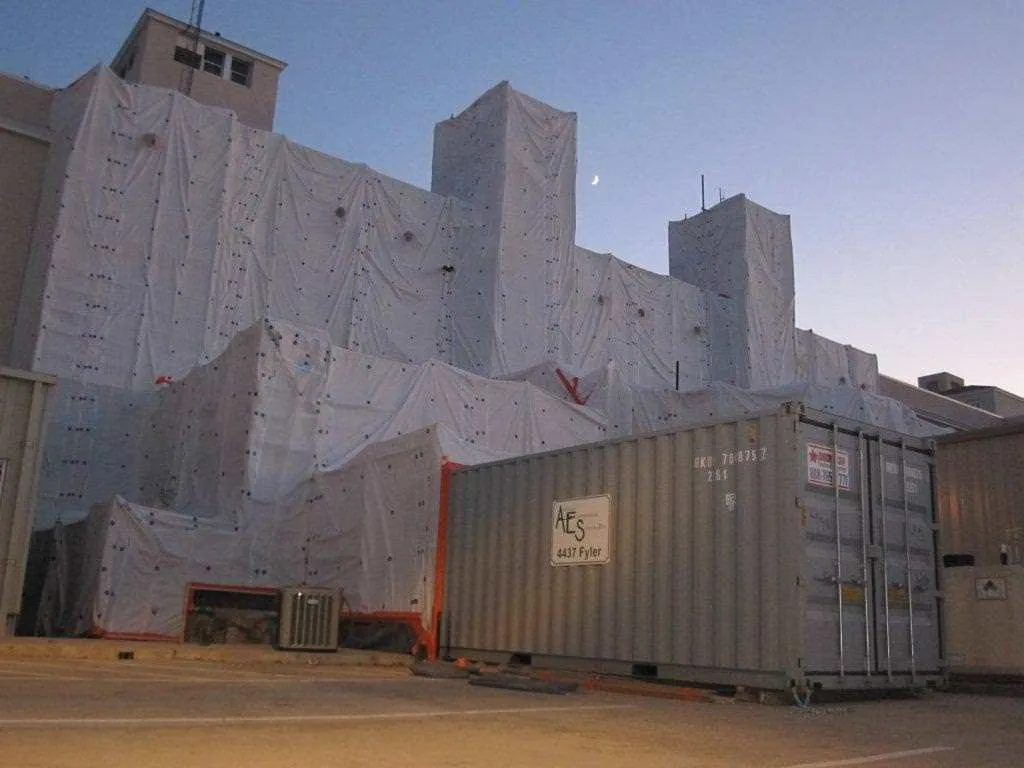
That is why abatement comes before teardown. AES says it is an environmental remediation company experienced in mold removal, asbestos abatement and lead remediation, and that it offers renovation and demolition packages that include hazardous material abatement. AES says its crews follow OSHA recommended demolition practices when removing asbestos and other hazardous materials during a demolition.
Using one contractor for both jobs has a practical benefit. AES says that using it as the only contractor saves time and hassle because the same crew is responsible for the full project. You also avoid gaps in the handoff between an abatement firm and a demolition crew.
Related pages: asbestos abatement, asbestos removal, and dangers of asbestos.
What happens with utilities before the building comes down?
Utilities must be shut off and disconnected before demolition. Electric, gas, water and communication services all need to be cut and their meters or lines removed. Each utility company handles its own piece, usually for a fee.
AES says the utility companies have to be informed of the required disconnection and removal of any meters or services near the building, and that utility companies will usually charge a disconnection and removal fee. This step often has the longest lead time because it depends on someone else’s schedule.
Start utility requests early. Do it as soon as you know the demolition date window. A live gas or power line next to a machine is a serious safety problem.
How is the building taken down?
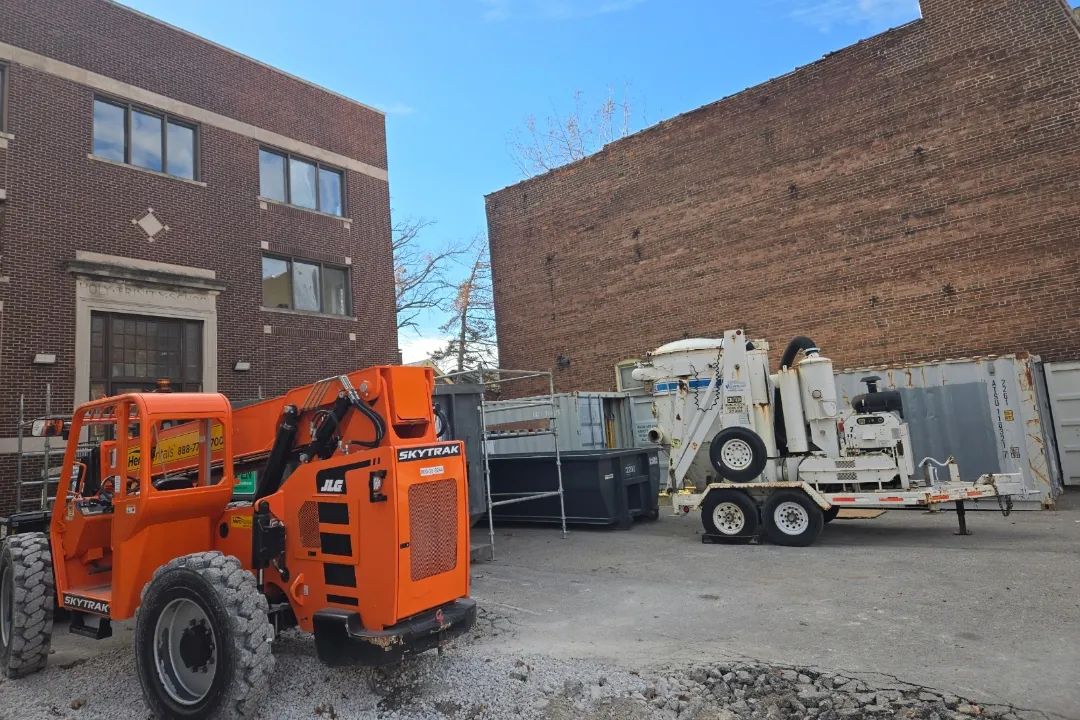
The method depends on the project type. Full building demolition uses heavy machines. Interior demolition is more manual and keeps the structure standing. AES offers both and says the choice affects cost, speed and disruption.
Full building demolition (facility abatement). AES describes this as the total removal of a building or structure: demolition, cleanup and removal of the entire building and all its materials. AES says its contractors take care to remove contaminants or pollutants during the job.
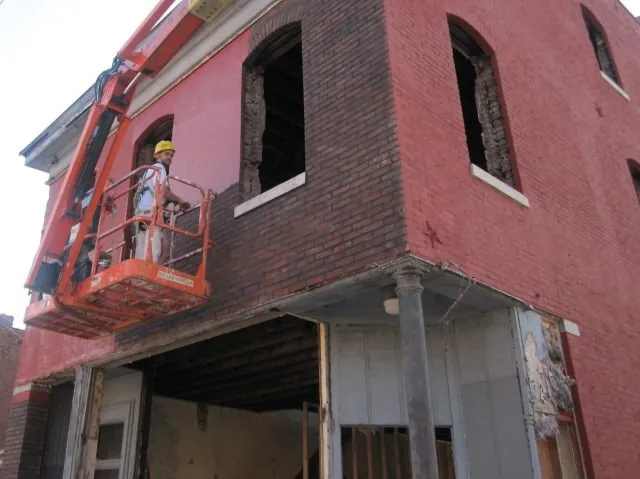
Interior demolition. This is removal of the inside of a building without harming the exterior or structural integrity. It often covers walls, pipes and fittings, partitions and ceilings, leaving a clear area for the next stage. AES says it can complete any size interior demolition project, even in occupied buildings, and that it contains dirt, dust and debris in the work area so part of the building can stay in use. See interior demolition and the glossary entry on interior demolition.
Hotels and large commercial buildings. AES has a dedicated page on hotel demolition.
AES says interior demolition cannot use large machinery the way full building demolition does, so it is more labor intensive. It adds that labor can sometimes cost less than heavy equipment.
For more on how AES works, see building demolition, demolition company tips and FAQs from a demolition expert.
What gets salvaged, and how is debris hauled away?
Salvage comes first, then waste. Reusable and recyclable materials are pulled by hand before the structure comes down. What remains is loaded out and hauled to a regulated landfill. Each load costs time, trucking and a landfill charge.
AES lists materials that can often be reused or recycled: bricks and stones, flooring, doors and windows, old toilets and sinks, and granite and marble. It notes that removal and segregation of recyclables may add cost up front because it generally must be done by hand.
After salvage, there is still a lot of waste. AES says all of it must be disposed of correctly and hauled to a regulated landfill, which may take many truckloads. Permit and landfill charges belong in the bid.
Asbestos-containing debris follows stricter rules than ordinary demolition debris. DNR publishes fact sheets on how to handle asbestos-containing debris (PUB2121) and on managing construction and demolition waste (PUB2045). See asbestos disposal and construction waste disposal.
How long does a demolition take?
AES says a small to medium sized building can take 5 to 10 days to complete, without additional work such as asbestos removal. Larger projects can run for months. The prep steps before the machines arrive often take longer than the teardown.
Time drivers:
- Surveys and lab results. Lab turnaround adds days.
- Notice periods. DNR’s 10 working days is a floor, not a target.
- Utility disconnects. These depend on utility schedules.
- Abatement scope. Larger quantities of asbestos or lead take longer.
- Building size and type. AES ties many timing factors to square footage.
- Weather and site access. These can pause equipment work.
Build the schedule from the front. Count backward from your target teardown date.
What does demolition cost, and what drives it?
AES says it is hard to give a universal price, because many factors apply. AES does not publish demolition prices and quotes each job. Size, project type, hazardous material, duration, equipment, permits, utilities, salvage and waste hauling all change the bid.
AES lists these factors in its guide to building demolition costs:
| Cost factor | Why it matters |
|---|---|
| Project size | Many cost and timing factors link to square footage |
| Project type | Interior demolition is more labor intensive than full demolition |
| Hazardous material abatement | Testing, paperwork, removal and disposal add cost |
| Length of project | Longer projects cost more; large ones can run for months |
| Equipment | Machine type and time on site raise the cost, even when idle |
| Permits and licenses | Charges apply for every permit processed |
| Utility companies | Disconnection and removal fees |
| Materials salvage | Up-front sorting cost, possible reuse value |
| Waste removal and disposal | Truckloads, permit and landfill charges |
AES also notes that region can affect the cost, and that using one contractor for abatement and demolition changes the structure of the bid. Ask for the abatement, demolition, hauling and permit items on separate lines.
How do I choose a demolition contractor?
Choose a contractor that surveys first, handles hazardous materials, files the right notices, and gives you an itemized bid. A low number that skips the survey will cost more later.
Use this list:
- Do you perform a demolition survey before work?
- Can you handle asbestos, lead and mold, or do I need a second firm?
- Who files notices, and when?
- How do you handle utilities?
- What is in the bid: hauling, landfill fees, permits?
- Can you work in an occupied building?
- Are you a registered asbestos contractor? Missouri DNR’s contractor list shows AES under registration 27-06-0640, status Active.
AES also lists union affiliations and certified payroll experience on its MBE and government contractor page, which matters for public projects.
Next step
If you are planning a teardown, an interior gut or a full building removal in St. Louis, St. Charles or Columbia, Missouri, start with the survey. See AES demolition services, then call (314) 865-2662 or send the quote form at /contact.
Frequently asked questions
Do I need an asbestos survey before demolition in Missouri?
For regulated structures, yes in practice. DNR requires notification of demolitions at least 10 working days ahead, and its asbestos rules apply to commercial structures and some residential ones. Most single-family homes are exempt. Ask DNR or your city whether your building is regulated, and test before you tear down.
How long does a demolition take?
AES says a small to medium building can take 5 to 10 days without additional work such as asbestos removal, while larger projects can run for months. Abatement, permits and utility disconnects add time before the machines arrive.
Do I need a permit to demolish a building in St. Louis?
Yes, you need to report it. The City of St. Louis says demolition, renovation and abatement projects must be reported on the STL City Permits website. Your contractor or you must also meet building permit rules. Check with the city before you schedule crews.
What does demolition cost?
It depends on size, project type, hazardous material, length of the job, equipment, permits, utility fees, salvage and waste hauling. AES says it is hard to give a universal price. AES quotes each job after a survey.
Can interior demolition happen while a building is occupied?
Sometimes. AES says its crews can complete interior demolition in occupied buildings and contain dirt, dust and debris in the work area so part of the building stays in use. The scope and the hazards in the space decide whether that is practical.
Who handles asbestos found during demolition?
Certified professionals must handle it. DNR says individuals must be certified before they take part in an asbestos project. AES offers asbestos abatement together with demolition, so the same contractor can survey, abate, demolish and haul. Never let a general crew disturb suspect material before testing.
Terms on this page
Sources
- Missouri Department of Natural Resources: Asbestos Renovation and Demolition Notification
- Missouri Department of Natural Resources: Asbestos
- City of St. Louis: Air Pollution Control
- Missouri Department of Natural Resources: Asbestos Contractors
Written by Advanced Environmental Services and checked against the sources above on October 30, 2026. Rules change, so check the linked page before you act.