
On this page
- Health Effects of Mold
- Finding Mold Remediation Help
- How do I know if I need a mold inspection or testing?
- What causes mold to grow in homes and buildings?
- How does a mold remediation project run from containment to clearance?
- Can I remove mold myself, and when should I call a professional?
- Does insurance cover mold remediation?
- How long does mold remediation take, and what does it cost?
- What about water and fire damage that leads to mold?
- What is the difference between mold remediation and mold removal?
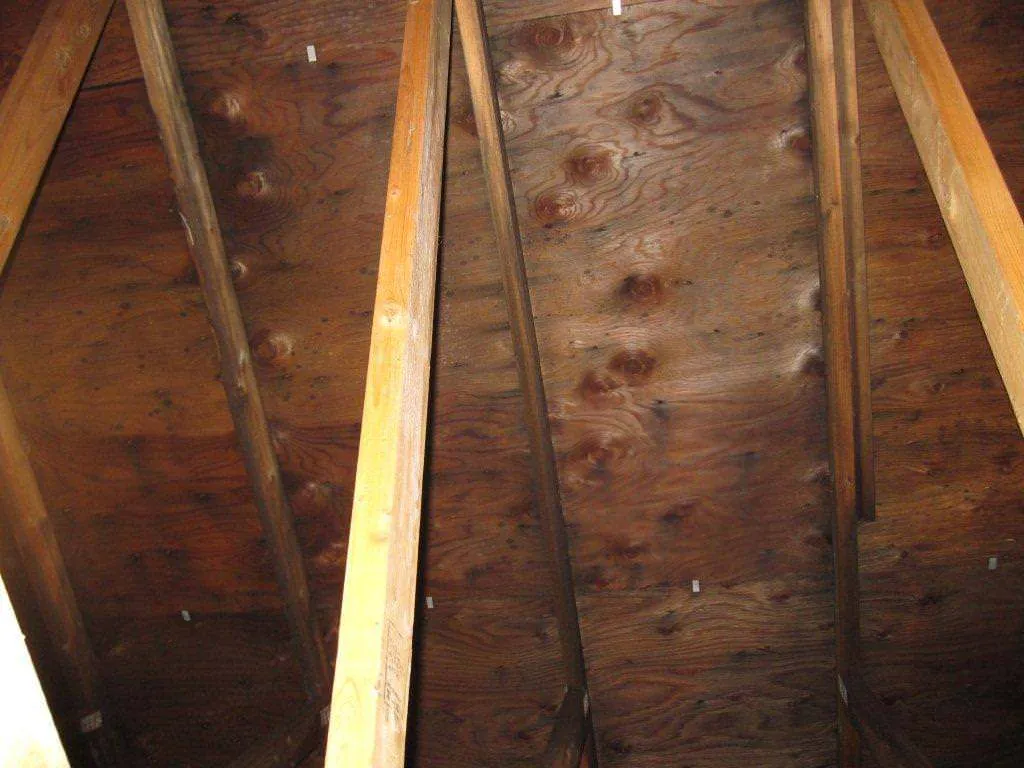
Mold can become a serious problem in homes, office buildings, healthcare facilities, residential housing buildings, daycares, schools, commercial buildings, and industrial buildings where there are high levels of humidity or water leaks. Mold can grow on nearly any surface including in unseen places including inside walls, ceilings, or flooring. If you believe that you may have a mold problem in your building, it is important to contact a professional mold remediation company to learn more about removing mold safely and effectively. Removing mold promptly is important because mold damage can cause a number of health problems and is a liability for many commercial building owners. Contact Advanced Environmental Services to learn more about our professional mold remediation services available throughout Missouri, including in St. Louis, St. Charles, and Columbia.
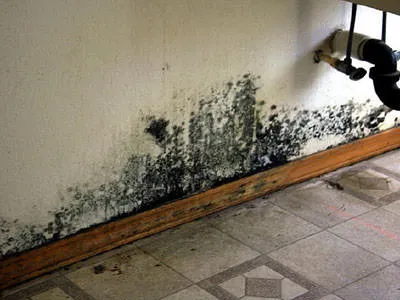
Health Effects of Mold
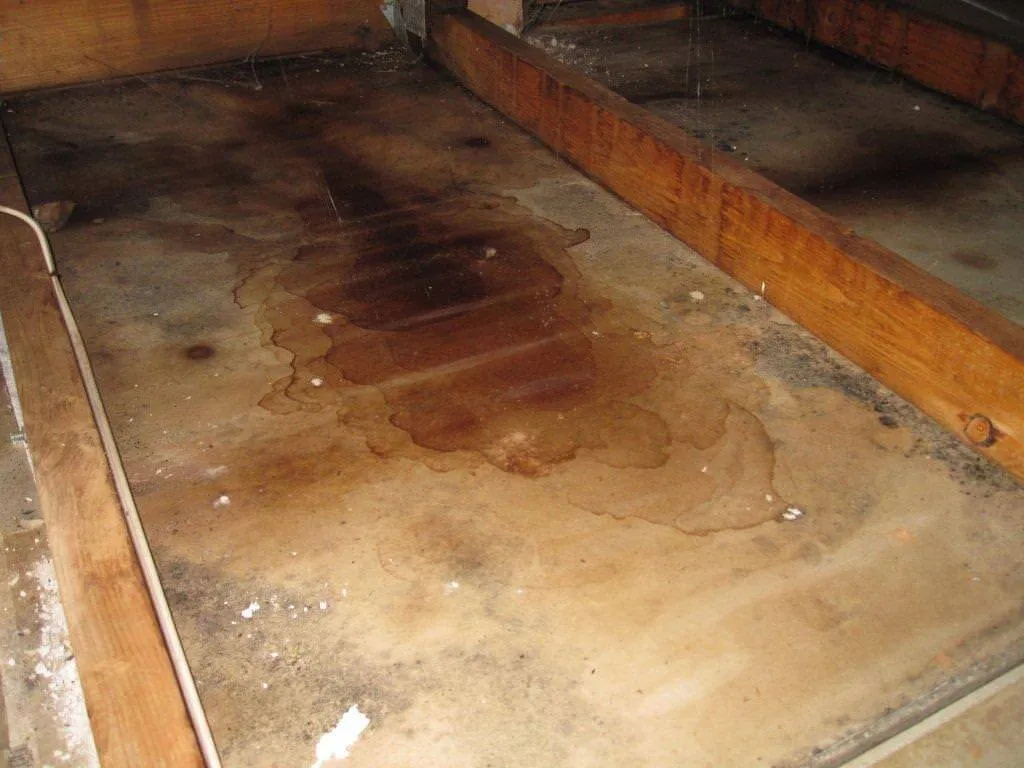
There are a variety of species of mold that exist both indoors and out. While the type of mold commonly referred to as Black Mold is the only toxic type of mold, all of the common types of mold have the potential to cause health complications in both children and adults. Common health problems caused by the exposure to and inhalation of mold range from cold and flu-like symptoms to more serious pneumonia-like symptoms. Individuals who have a weakened immune system or who suffer from allergies or asthma are likely to develop more severe symptoms from exposure to mold.
Finding Mold Remediation Help
Advanced Environmental Services is a leading mold remediation company offering mold inspection and mold removal services. Our mold removal specialists are available for both commercial mold remediation and home mold removal throughout St. Louis, St. Charles, & Columbia, Missouri. We offer the knowledge and experience needed to handle both large and small mold remediation projects.
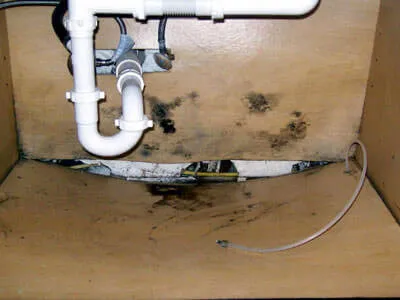
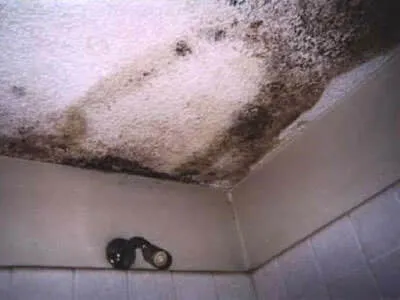
If you have recently discovered mold problems in your building, the first step should be to contact a professional mold remediation company to evaluate your mold problem. During a mold inspection, we will determine the extent of mold damage present in your building. We will locate all of the mold growth focusing on possible unseen mold in-between walls and under flooring. After determining the amount of mold growth and the potential structural damage that the mold may have caused, we will be able to provide an estimate of your mold remediation costs.
Following a thorough mold inspection, our professional mold removal team can begin the mold remediation process. During this process, we not only remove all of the mold contamination, but also determine the main cause for the mold problem. This cause is typically related to a moisture problem such as pipe or ceiling leaks, condensation, high humidity, or a recent flood. By addressing the cause of the problem during mold remediation, we reduce the chances of mold growth in the future. Our mold remediation professionals will take the necessary steps during mold removal to prevent the spread of mold spores, which can worsen the situation by causing an increased risk for health problems or encouraging new mold growth.
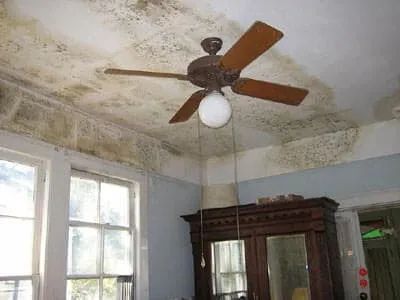
For more information about mold removal, view our additional mold remediation information below or contact the professionals at Advanced Environmental Services.
How do I know if I need a mold inspection or testing?
You need an inspection if you see mold, smell a musty odor, or had a leak or flood that sat wet for more than a day or two. An inspection finds how far the mold goes, including growth you cannot see. Testing alone does not fix anything. Finding the moisture and the extent comes first.
AES says its inspection locates mold growth and focuses on possible unseen mold between walls and under flooring. It then sizes the structural damage and gives an estimate. The signs that point to a problem:
- Visible spots or fuzzy growth on walls, ceilings or floors
- A strong, unpleasant, musty smell. AES notes that mold releases microbial volatile organic compounds, which smell “moldy”
- Peeling paint, bubbling drywall or stained ceiling tiles
- Allergy or asthma symptoms that ease when you leave the building
- A recent leak, flood or long humid stretch
The EPA says mold spores are usually not a problem indoors “unless mold spores land on a wet or damp spot and begin growing.” So the question is not whether spores exist. The question is whether something is wet. Read how inspections work on our mold inspection page and in the glossary entry on a mold inspection.
What causes mold to grow in homes and buildings?
Mold grows where materials stay wet or damp. AES lists pipe or ceiling leaks, condensation, high humidity and a recent flood as the typical causes. The EPA agrees on the principle: “The key to mold control is moisture control.” Remove the moisture and the mold has nothing to feed on.
Common moisture sources, and the fix for each:
| Moisture source | Where it shows up | Fix that stops the cycle |
|---|---|---|
| Plumbing or roof leak | Ceilings, wall cavities, under sinks | Repair the leak, dry the materials |
| Condensation | Windows, cold walls, ductwork | Insulate, ventilate, manage humidity |
| High indoor humidity | Basements, bathrooms, closed rooms | Dehumidify and vent. The EPA suggests keeping humidity below 60 percent, ideally 30 to 50 percent |
| Flooding or water damage | Floors, lower walls, carpet | Dry within 24 to 48 hours, remove what stays wet |
| Water vapor through a slab | Floors over concrete | A moisture barrier under new flooring. See moisture barriers |
Mold on a surface is a symptom. The wet material behind it is the cause. A cleanup that skips the cause leads to a second cleanup. That is why AES says that during remediation it removes the contamination and also determines the main cause of the problem.
How does a mold remediation project run from containment to clearance?
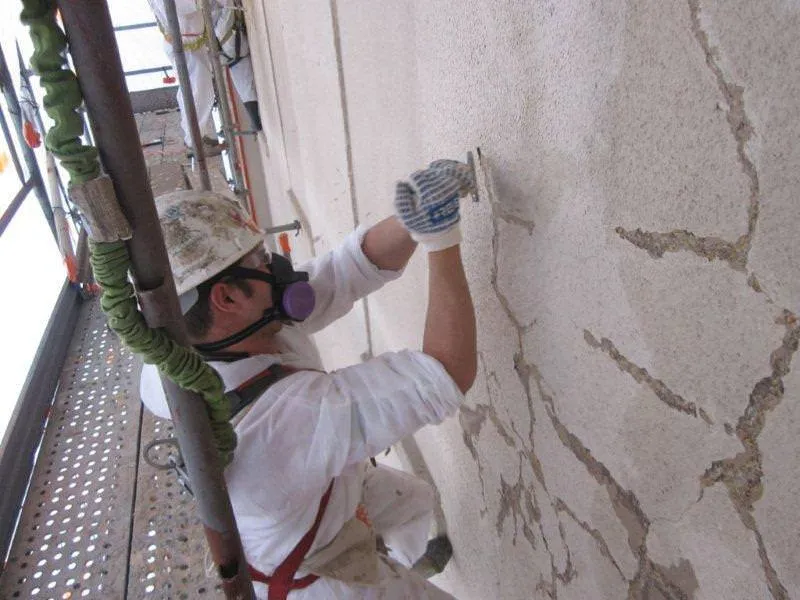
A mold project follows a set order: find the moisture, seal the area, filter the air, remove mold and damaged material, clean and dry, then check the result. The aim is to take mold out without spreading spores to clean rooms. AES says it works in a confined area with negative air flow.
The typical sequence:
- Inspect and plan. Locate the mold, the damage and the water source. Write the scope.
- Fix or flag the moisture source. A plumber, roofer or restoration crew may need to act first.
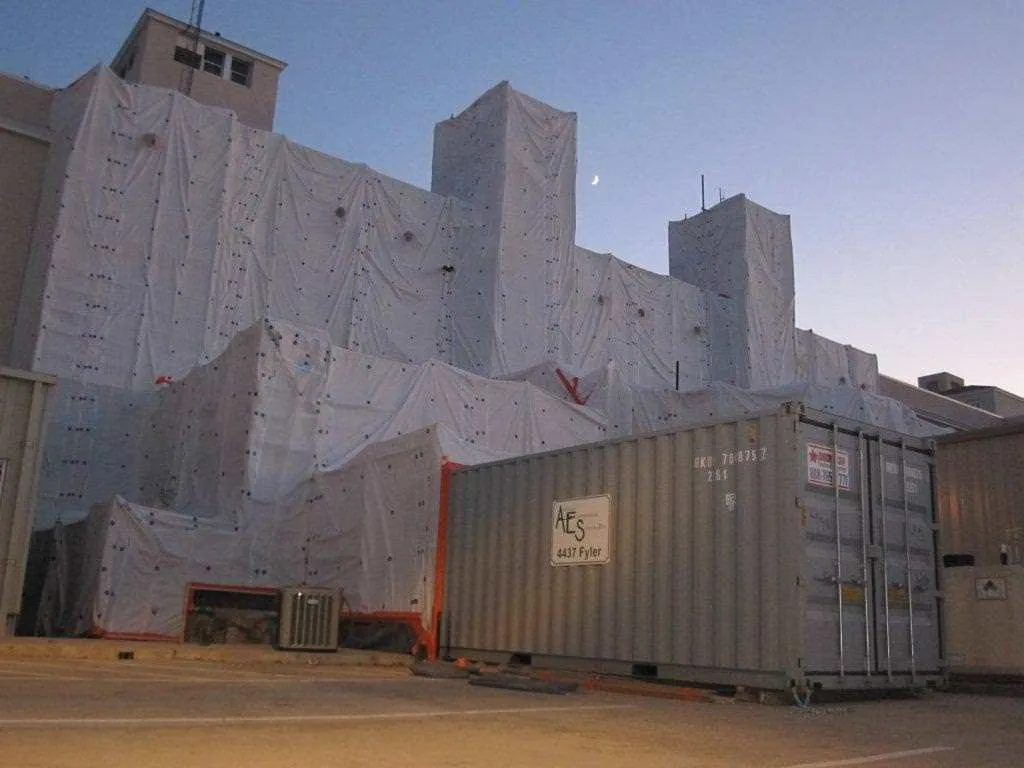
- Contain. Seal the work area with plastic sheeting. See containment.
- Filter the air. A negative air machine with a HEPA filter pulls air out of the area so spores stay inside.
- Remove. Take out mold-damaged porous materials. The EPA says absorbent or porous materials, such as ceiling tiles and carpet, may have to be thrown away if they become moldy.
- Clean and treat. Clean surfaces. AES says it uses commercial grade antimicrobials.
- Dry and verify. Dry the space fully and check that the work meets the scope.
- Rebuild. Replace drywall, flooring or trim as needed. AES describes remediation as including replacing damaged materials.
Ask any contractor how they verify the result at the end. Some jobs close with an air or surface check (see clearance air test for how this works on abatement projects). Agree on the method before work begins.
For the full flow and a worked example of timing, see the guide on mold remediation cost and timeline.
Can I remove mold myself, and when should I call a professional?
You can usually clean a small patch yourself. The EPA says that if the moldy area is less than about 10 square feet, roughly a 3 foot by 3 foot patch, you can generally handle the job. Above that size, or with hidden mold or contaminated water, call a professional.
Call a professional when any of these apply:
- The mold covers more than about 10 square feet
- The mold is inside walls, ceilings, crawl spaces or ductwork
- The water came from sewage or another contaminated source
- Someone in the home has asthma, allergies or a weakened immune system
- The mold came back after a cleanup
AES goes further than the EPA. Its position is that mold spores spread easily when disturbed, so it recommends professional remediation for most projects. Done wrong, mold can spread inside walls, crawl spaces and ceilings, and leftover dead spores can still cause health problems.
Bleach does not fix this. AES says chlorine bleach is not effective on the porous surfaces where mold grows. The EPA says to scrub mold off hard surfaces with detergent and water and dry them completely.
Our post on mold over 10 square feet explains where the size line comes from. If you are weighing a DIY cleanup against hiring out, our home mold removal page covers why many owners hire it out.
Does insurance cover mold remediation?
Often not by itself. The Insurance Information Institute says a homeowners policy “will not cover damage due to lack of maintenance, mold or infestation from termites or other pests.” Coverage can change when a covered event, such as a burst pipe, caused the water. Policies differ, so check yours.
What to do before you start work:
- Read the mold and water damage sections of your policy.
- Call your insurer or agent before you hire anyone. Ask what counts as a covered cause.
- Photograph the damage and keep receipts.
- Stop the water source and dry the area.
- Ask the remediation company for a written scope you can share with the adjuster.
A written estimate after an inspection can support your claim, but the coverage decision sits with your insurer. Do not assume either way.
How long does mold remediation take, and what does it cost?
AES says prices typically range between $1500 to $10,000 for a home showing visible signs of mold, and that 1 to 5 days is the normal timeframe for most average jobs. These are AES’s own figures from its FAQ. Your quote depends on what the inspection finds.
| Factor | How it affects cost | How it affects time |
|---|---|---|
| Severity of mold | More growth means more labor and materials | More growth takes longer |
| Materials affected | Porous materials such as drywall and carpet are removed and replaced | Replacement adds rebuild time |
| Size of contaminated area | Larger areas need more containment and filtration | Bigger area, more days |
| Hidden mold | Opening walls adds scope | Adds inspection and demolition time |
AES says the price depends on “the severity of the mold problem, what materials are affected, and the size of the contaminated area.” The same factors affect the time. Drying and rebuilding are separate from the cleanup and add days if the damage is wide.
AES gives a written estimate after it inspects the building. See mold remediation costs for what moves the number, the mold remediation FAQs for the original Q&A, and the guide on mold remediation cost and timeline.
What about water and fire damage that leads to mold?
Wet materials grow mold fast, so speed matters. The EPA says to dry water-damaged areas and items within 24 to 48 hours. If wet materials are dried in that window, in most cases mold will not grow. After a flood, burst pipe or firefighting water, start drying at once.
After water damage, in order:
- Stop the source of the water.
- Remove standing water and wet porous items that cannot dry.
- Dry the structure and run dehumidifiers.
- Inspect for mold behind finishes if materials stayed wet past two days.
- Remediate any growth, then rebuild.
If the water was sewage or another contaminated source, the EPA says to call a professional with experience cleaning buildings damaged by contaminated water. AES offers fire and water restoration and mold work together, which helps when one event caused both problems. Our guide on mold after water damage gives a day-by-day plan.
What is the difference between mold remediation and mold removal?
They describe overlapping work. Remediation is the full process: find the moisture, contain, remove, clean, dry and repair. Removal often means the cleaning and tear-out step alone. When two quotes differ, check whether both include the moisture fix, containment and repair.
Our side-by-side mold remediation vs mold removal page lays out the terms, and the glossary has an entry for mold remediation. AES also has separate pages on mold removal, mold removal service and mold removal companies.
Who handles commercial mold jobs?
AES handles mold remediation for homes, offices, healthcare facilities, daycares, schools, commercial buildings and industrial buildings in St. Louis, St. Charles, Missouri and Columbia, Missouri. In commercial space, the work often has to fit around tenants, patients or staff, so planning matters as much as the cleanup.
Questions a facility manager should settle before work starts:
- Which areas can stay in use, and which must close?
- How will the contractor seal the work area and filter the air?
- Who coordinates with the plumber or roofer who fixes the source?
- What records do you need for owners, tenants or insurers?
AES says it tries to contain hazardous materials to a defined work area so people can often keep using part of a building. See commercial mold remediation. For toxic-mold concerns, read black mold remediation and the glossary entry on black mold.
Next step
Book an inspection so the quote is based on what is actually in the walls. Call (314) 865-2662 or use the form at /contact. You can also read about the mold remediation company behind the work.
Frequently asked questions
How much does mold remediation cost?
AES says prices typically range between $1500 to $10,000 for a home showing visible signs of mold. The final number depends on the severity of the problem, which materials are affected and the size of the contaminated area. AES gives a written estimate after it inspects the building.
How long does mold remediation take?
AES says 1 to 5 days is the normal timeframe expected to complete most average jobs. Severity, affected materials and the size of the area change the length. Drying wet materials or fixing the leak can add time before or after the cleanup.
Does homeowners insurance cover mold remediation?
Often not by itself. The Insurance Information Institute says a standard policy will not cover damage due to lack of maintenance, mold or infestation. Coverage can differ if a covered event, such as a burst pipe, caused the water. Policies vary, so read yours and ask your insurer before work starts.
Can I clean mold myself?
For a small patch, yes. The EPA says that if the moldy area is less than about 10 square feet, you can usually handle the job yourself. Larger areas, mold inside walls, or mold from sewage or other contaminated water call for a professional. AES recommends a professional for most projects.
Does bleach kill mold?
Bleach may kill surface mold and fade stains, but AES says chlorine bleach is not recommended because it does not work well on the porous surfaces where mold grows. Even dead spores can cause reactions. The EPA says to scrub mold off hard surfaces with detergent and water and dry them completely.
What is the difference between mold remediation and mold removal?
People use both words for the same job. Remediation is the wider term. It includes finding the moisture source, containing the area, removing mold and damaged material, and drying and repairing. Removal can describe only the cleaning step. Ask what the quote includes.
How fast should I dry a wet area to stop mold?
The EPA says to dry water damaged areas and items within 24 to 48 hours. It says that if wet or damp materials are dried within that window after a leak or spill, in most cases mold will not grow. Call a professional if the water was sewage or contaminated.
Terms on this page
Sources
- US EPA: Mold Cleanup in Your Home
- US EPA: Mold Cleanup in Your Home
- US EPA: Mold Cleanup in Your Home
- US EPA: A Brief Guide to Mold, Moisture and Your Home
- US EPA: A Brief Guide to Mold, Moisture and Your Home
- US EPA: Mold and Health
- US EPA: Mold and Health
- Triple-I (Insurance Information Institute): Which disasters are covered by homeowners insurance?
Checked against the sources above on October 30, 2026. Rules change, so check the linked page before you act.