
Asbestos
Containment
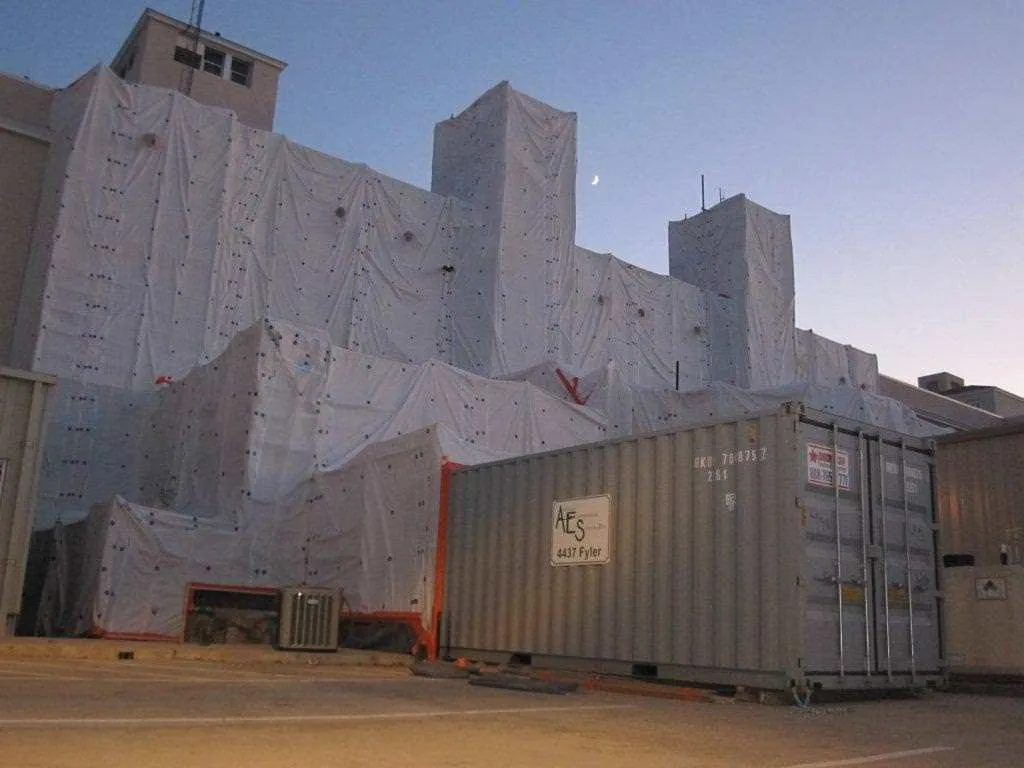
Containment is a sealed work area, usually plastic sheeting over barriers, that isolates a job so dust, fibers or spores cannot spread to the rest of the building.
Containment is how crews keep a hazard where it started. They seal doors, vents and openings with plastic, build a barrier around the work, and control entry. Asbestos, mold and lead jobs all rely on it.
Federal lead rules define containment as a process to protect workers and the environment by controlling exposures to lead-contaminated dust and debris. EPA's mold guide adds that the containment area should stay under negative pressure, usually with a negative air machine.
Good containment is visible. You should see sealed plastic, signs, a controlled entry, and equipment running. Poor containment shows up as dust outside the work area.
As an owner, ask where the barrier will go and how it will be tested. Ask who watches it each day. Containment also supports the final check, because a clean room that stayed sealed gives a more reliable clearance air test. If something looks open or torn, tell the supervisor right away.
Related terms
Sources
Request your custom environmental remediation estimate
Contact us for a free environmental remediation or restoration estimate and a personalized solution to your problems.