
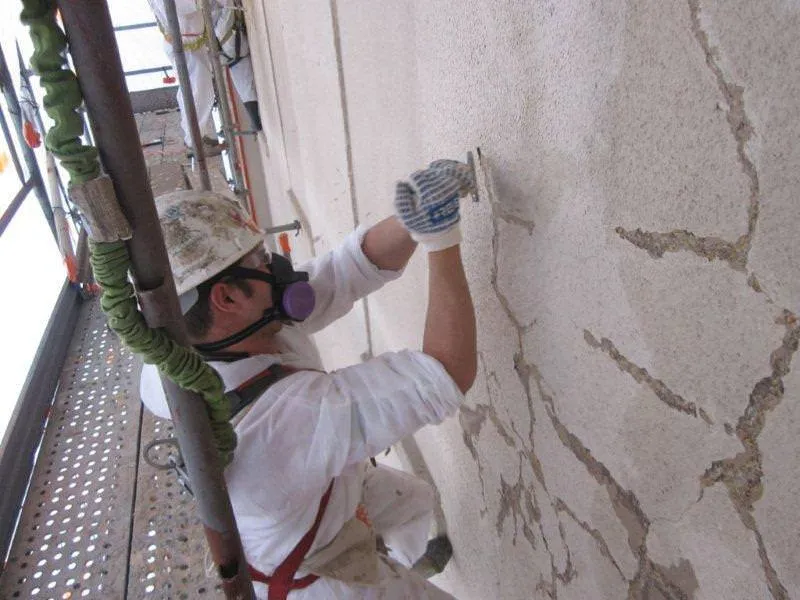
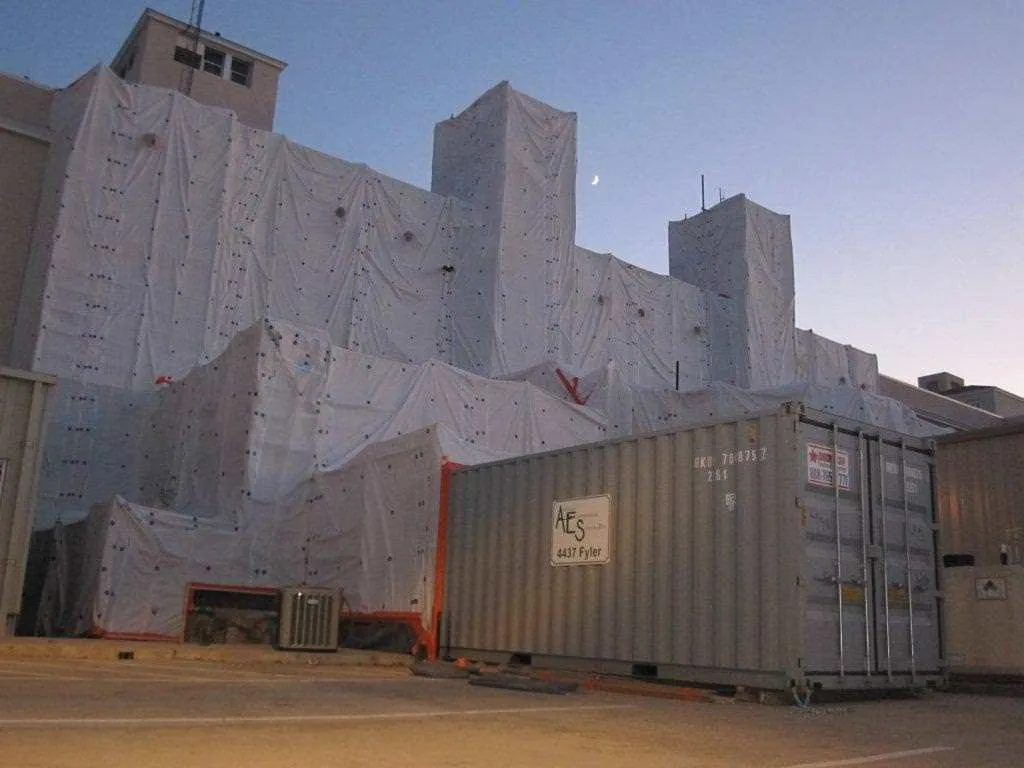
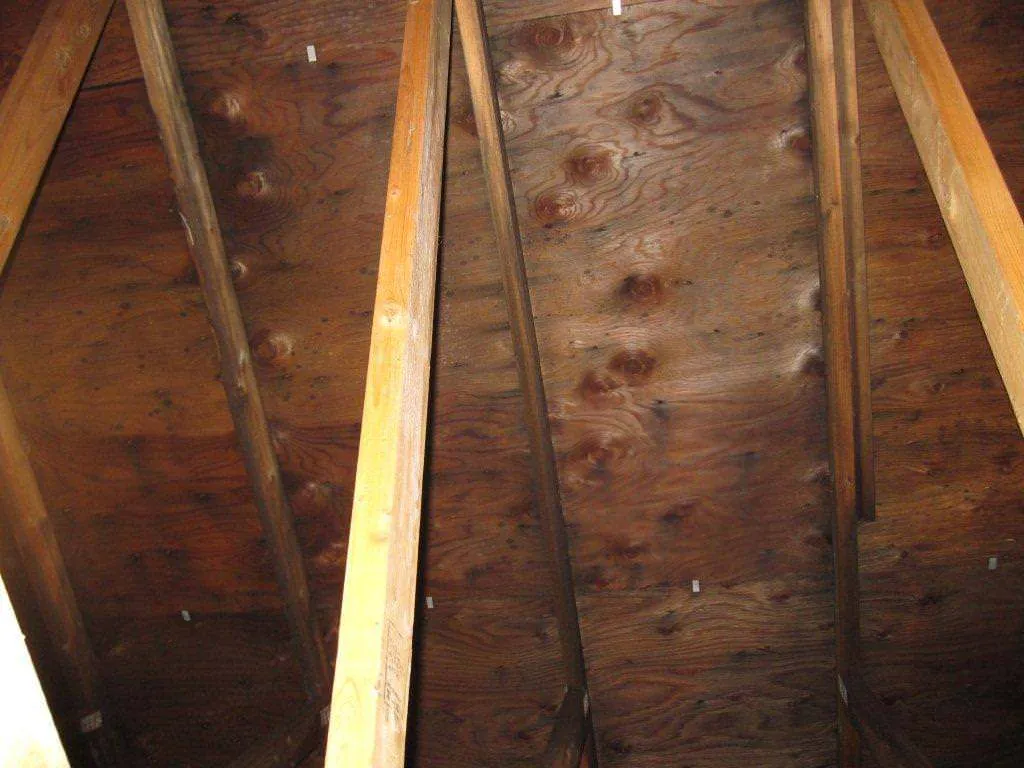
Why are older St. Louis homes more likely to have asbestos?
Because most of them were built when asbestos was common in building products. Missouri DNR says asbestos was used in many materials until the 1970s. Census data show that most housing in St. Louis city and a large share in St. Louis County predate 1980. Age alone does not prove asbestos, but it raises the odds.
Here is what the US Census Bureau’s 2024 American Community Survey (1-year estimate, table B25034, “Year Structure Built”) reports. The percentages are our arithmetic on the Census counts.
| Place | Housing units | Built before 1970 | Built before 1980 |
|---|---|---|---|
| St. Louis city | 174,694 | 81.7% (142,699 units) | 87.1% (152,091 units) |
| St. Louis County | 447,542 | 50.4% (225,726 units) | 67.5% (301,975 units) |
| St. Charles County | 172,400 | 12.8% (22,097 units) | 24.7% (42,553 units) |
Two notes on the numbers. The Census groups homes by decade, so “before 1978” cannot be computed exactly. We show before 1970 and before 1980, which bracket it. Also, “built before 1980” counts all housing, not houses tested. It tells you how old the housing stock is, not how many homes contain asbestos.
In St. Louis city, 98,061 units, or 56.1%, were built in 1939 or earlier. In St. Louis County that group is 41,106 units, or 9.2%. St. Charles County is newer, with most homes built since 1980. If you live there, your home may be newer, but additions, garages and mechanical equipment can still contain older material. Our St. Louis, St. Louis County and St. Charles, Missouri pages describe how we serve each area.
Where does asbestos hide in an older house?
The EPA lists the usual places: attic and wall insulation containing vermiculite, vinyl floor tiles and the backing on sheet flooring, floor adhesives, roofing and siding shingles, textured paint and patching compounds, and hot water and steam pipes coated or wrapped with asbestos. It also lists furnaces and door gaskets and the walls around wood stoves.
Missouri DNR adds acoustical plaster, ceiling tiles and panels, fireproofing, joint compounds, spackling compounds and linoleum to its examples. Use this table as a room-by-room list of suspects, not a diagnosis.
| Area of the house | Suspect materials | Source of the list |
|---|---|---|
| Basement and mechanical room | Pipe wrap, boiler and furnace insulation, furnace door gaskets | EPA, DNR |
| Floors, any level | Vinyl floor tile, sheet flooring backing, black adhesive | EPA, DNR |
| Walls and ceilings | Textured paint, patching and joint compounds, acoustical plaster, ceiling tile | EPA, DNR |
| Attic and walls | Vermiculite pour-in insulation | EPA |
| Outside | Asbestos cement siding, roofing shingles, window putty | EPA, DNR, AES |
| Near stoves and fireplaces | Asbestos paper, millboard or cement sheet on walls and floors | EPA |
AES lists similar places on its asbestos testing page: resilient floor tiles, tile adhesives and vinyl sheet flooring; asbestos cement roofing; soundproofing or decorative sprayed wall coverings; and door gaskets in stoves and furnaces. For a closer look at the most common household material, read our post on whether old asbestos floor tiles are dangerous and the asbestos floor tile page.
Is the asbestos in my home dangerous?
Only when it is disturbed or damaged. The EPA says asbestos fibers may be released by the disturbance of asbestos-containing material during use, demolition, maintenance, repair and remodeling, and that in general exposure may occur only when the material is disturbed or damaged enough to release fibers.
So the question is condition and plans. Ask two things:
- Condition. Is the material intact, sealed and dry, or crumbling, water-damaged or worn?
- Plans. Will anyone cut, drill, sand, scrape or tear it out?
Intact non-friable asbestos, such as floor tile under carpet, is the lowest concern as long as it is left alone. Friable asbestos, which crumbles by hand, is the highest. AES’s FAQ makes the same point: asbestos-containing materials are hazardous when crumbling or in disrepair, because they can give off fibers when broken or disturbed during repair and remodeling.
On health, the EPA says asbestos exposure raises the risk of lung disease, that smoking makes the risk worse, and that symptoms may take many years to develop. Its three major health effects are lung cancer, mesothelioma and asbestosis. See our page on the dangers of asbestos for more.
What about vermiculite insulation in the attic?
Treat it as asbestos until proven otherwise. The EPA says a mine near Libby, Montana, was the source of over 70 percent of all vermiculite sold in the United States from 1919 to 1990, and that this vermiculite was contaminated with asbestos. It was often sold under the brand name Zonolite.
The EPA describes it as pebble-like, pour-in insulation that is usually gray-brown or silver-gold. Look at it without disturbing it. Its advice is clear:
- Leave the insulation undisturbed in the attic or walls.
- Do not store boxes or other items in the attic.
- Do not let children play there.
- Do not attempt to remove it yourself.
- Hire a professional asbestos contractor if you plan work that would disturb it.
The EPA also says further testing is not necessary to take these precautions. Even so, if you need to know for a sale or a remodel, ask a certified inspector rather than sampling it yourself.
Should I test my house for asbestos?
Test when you plan to disturb a material, when material is damaged, or when you are buying an older home. If nothing will be disturbed and the material is intact, many owners leave it alone and monitor it. A test is the only way to know what you have.
Testing means a certified inspector takes samples and a lab analyzes them. Missouri DNR requires that individuals who inspect for asbestos hold department certification. AES staff include AHERA Certified Building Inspectors, and Mr. Ruckman is trained and certified as an Asbestos Inspector and Supervisor. Our asbestos testing and asbestos survey pages explain what you get: what type of asbestos is present, where it is, and what work is needed.
Do not collect samples yourself. Cutting or scraping a material to fill a bag can release the fibers you are trying to find. Our page on whether you need asbestos removal helps you decide what comes next.
What should I do first if I find suspect material?
Stop work, keep people away from the area, and do not clean up with a household vacuum or broom. Then call a certified inspector. These steps keep a small issue small.
- Stop. Do not cut, sand, drill, scrape or sweep the material.
- Isolate. Keep children and pets out. Close the door if the room has one.
- Do not vacuum or sweep debris. Leave cleanup to trained crews with HEPA equipment.
- Call for a survey. A certified inspector samples and reports.
- Decide with the result. Leave, encapsulate or remove, based on condition and plans.
These steps are about not making things worse. Missouri and federal rules decide who may do removal on regulated projects, and our rules guide covers them. Most single-family residences are exempt from DNR’s asbestos rules, but DNR still says trained asbestos professionals should be considered for any asbestos work.
Which home projects set off an asbestos question?
Projects that cut, sand, drill or tear out old materials. Match your project to the suspect list before you start. The table pairs common projects with the materials the EPA and DNR name, so you know what to test first.
| Project | Materials to ask about | Why |
|---|---|---|
| New kitchen or bath floor | Vinyl tile, sheet flooring backing, black adhesive | EPA lists floor tiles, backing and adhesives |
| Finishing a basement | Pipe wrap, furnace and boiler insulation | EPA lists pipes and furnaces |
| Smoothing or scraping ceilings | Textured paint, patching and joint compounds, acoustical plaster | EPA and DNR list these |
| New insulation in the attic | Vermiculite pour-in insulation | EPA says assume it contains asbestos |
| Replacing siding or roof | Cement siding, roofing shingles and felts | EPA and DNR list these |
| Replacing a wood stove or hearth | Asbestos paper, millboard or cement sheet on walls and floors | EPA lists these |
A kitchen floor is a good example. The tile may be intact and harmless today. Breaking it up, though, is the kind of disturbance the EPA warns about. Test before you pull. Our asbestos tile removal page and floor adhesive removal page describe the work for tile and adhesive.
What should I ask when I buy an older home?
Ask for any past asbestos survey or clearance letter, and look for materials from the suspect list during your walk-through. Do not disturb anything. A home inspection may flag suspect material, but only lab results confirm it.
If you plan a remodel after closing, order a survey before you start work. It can shape your offer and your budget. It is easier to plan around asbestos you know about than to find it halfway through the work. Read our cost guide for the factors that move a removal price.
What are my options once the lab result comes back?
Three options exist: leave the material in place and monitor it, seal it with encapsulation, or remove it. The right one depends on condition, location and what you plan to do next.
| Option | Choose it when | What to know |
|---|---|---|
| Leave and monitor | Material is intact and will not be disturbed | Recheck its condition now and then |
| Encapsulate | Material is stable but needs protection, such as exposed edges | Asbestos stays; AES notes it may be a problem as it ages |
| Remove | A remodel or demolition will disturb it, or it is damaged | Use a registered abatement contractor; see the removal process |
Our pages on asbestos encapsulation and the encapsulation vs removal comparison give the pros and cons. If cost is the worry, read the asbestos removal cost guide.
What about lead paint and other hazards in the same houses?
Lead paint is a separate hazard in many older homes. If you plan to renovate, ask your inspector whether to check for both. Our guide on lead paint in pre-1978 homes explains the steps, and AES offers lead abatement.
Next step
If you own an older home or building in St. Louis, St. Charles or Columbia, Missouri and plan work, start with a survey. See asbestos testing, call AES at (314) 865-2662 or send the quote form at /contact.
Frequently asked questions
How old is a house with asbestos?
Age is a clue, not a test. Missouri DNR says asbestos was used until the 1970s in many materials, and it may still appear in some products made today. Houses built before 1980 deserve the most caution. Any age needs a lab test before you can say yes or no.
Where is asbestos most often found in older homes?
The EPA lists vinyl floor tiles, sheet flooring backing and adhesives, roofing and siding shingles, textured paint and patching compounds, pipe coverings, furnace insulation and door gaskets, and vermiculite attic or wall insulation. Check those first when you plan work.
Can I tell if floor tile has asbestos by looking at it?
No. Tile that contains asbestos looks like tile that does not. A certified inspector takes a sample and sends it to a lab. Do not break or cut a tile to see what is inside. Intact tile is far less of a concern than tile that is being cut or sanded.
Is asbestos in my house an emergency?
Usually not. The EPA says exposure may occur only when asbestos-containing material is disturbed or damaged. Material in good condition that no one touches can stay. Crumbling or water-damaged material, or any planned remodeling, is a reason to test soon.
Should I test before I remodel?
Yes, test first. Remodeling, demolition and repair are the usual ways fibers are released. A survey before work tells you which materials contain asbestos so the plan can avoid disturbing them or can remove them first with a registered contractor.
What do I do if I think I found vermiculite insulation?
The EPA says to assume vermiculite insulation contains asbestos and not to disturb it. Do not store items in the attic, do not let children play there, and do not remove the insulation yourself. Hire a professional contractor if remodeling would disturb it.
Terms on this page
Sources
- US Census Bureau: ACS 2024 1-year, table B25034 Year Structure Built, via Census Reporter (St. Louis city, St. Louis County, St. Charles County)
- US Census Bureau: ACS 2024 1-year, table B25034 (St. Louis city counts)
- US EPA: Learn About Asbestos
- US EPA: Learn About Asbestos (exposure)
- Missouri DNR: Asbestos
- US EPA: Protect Your Family from Asbestos-Contaminated Vermiculite Insulation
Written by Advanced Environmental Services and checked against the sources above on October 30, 2026. Rules change, so check the linked page before you act.