On this page
- Our Service Features
- Contact AES for Expert Environmental Remediation Services
- What counts as environmental remediation?
- How is contaminated soil tested, treated and disposed of?
- How is contaminated groundwater treated?
- How are underground, aboveground, oil, fuel and septic tanks removed?
- What does Missouri DNR require when a regulated tank is closed?
- What waste streams does AES haul?
- What does a hazmat remediation job include?
- Next step
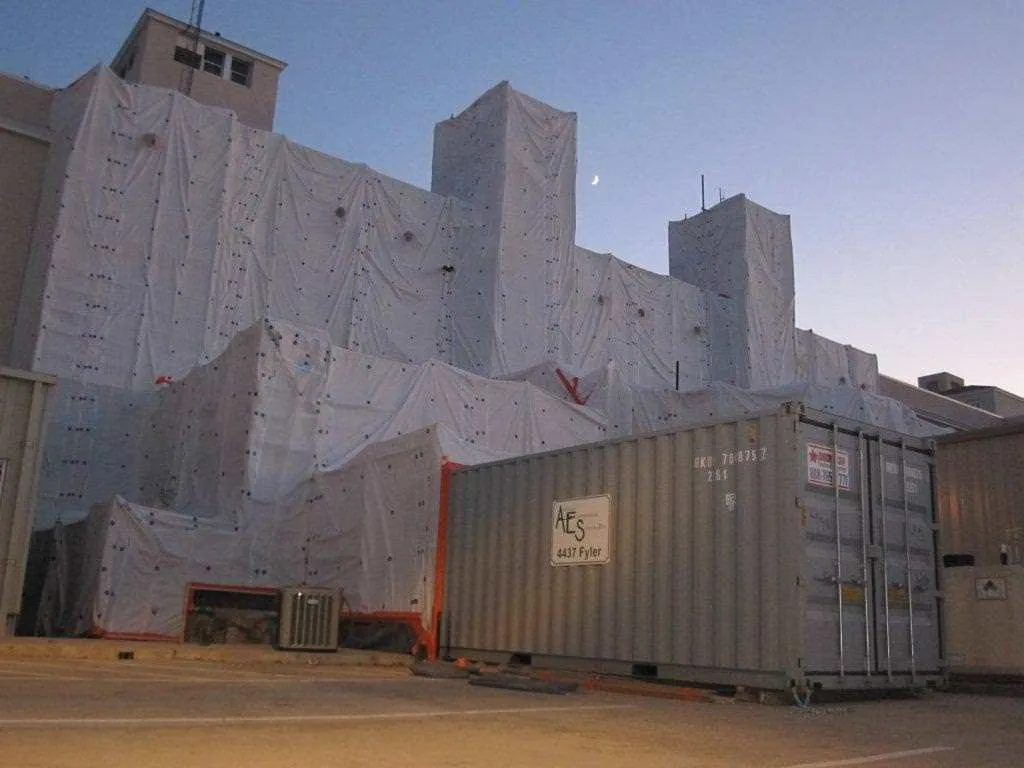
At Advanced Environmental Services, we are dedicated to providing top-tier environmental remediation services nationwide, tailored to address your unique needs. Our broad spectrum of services is designed to help you achieve and maintain pristine land and water quality, ensuring a safer environment for all. Our customers rely on us for appropriate solutions for the removal and disposal of contaminated soil, brownfield remediation, and a variety of other services.
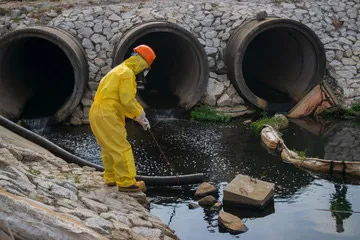
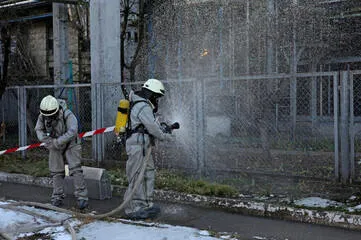
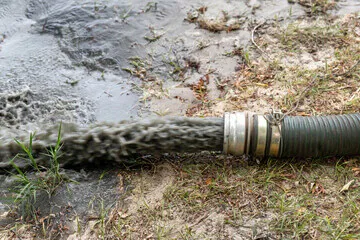
When it comes to environmental remediation, don’t go it alone. Trust the experts at AES to help with all of your needs. Contact our environmental remediation company online or by phone today to get started or request a quote for your project.
Our Service Features
- Soil Stabilization and Disposal: Contaminated soil can pose a significant risk to environmental health. AES offers advanced soil remediation and stabilization techniques and safe disposal methods to mitigate risks and ensure compliance with environmental standards.
- Site Remediation: From simple cleanups to complex decontamination processes, AES provides comprehensive site remediation services that restore contaminated land to its original state, making it safe and usable once more.
- Asbestos and Lead Remediation: Asbestos and lead can be found in many older buildings and pose serious health hazards. AES specializes in safe and effective asbestos and lead hazmat remediation, ensuring these harmful substances are removed and disposed of properly.
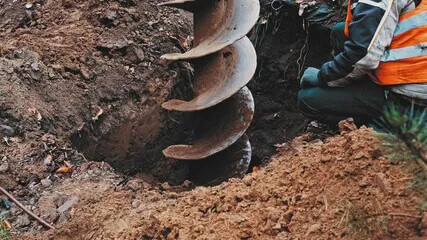 Soil Excavation: Our soil excavation services are designed to remove contaminated soil while preserving the structural integrity of your site, ensuring a smooth and hassle-free process.
- Remediation Systems Installation: AES designs, constructs, leases, and maintains various remediation systems to treat contaminated sites. We ensure your environment remains clean and risk-free for the long term.
- Underground and Aboveground Storage Tank Removal: Whether it’s an underground or an aboveground storage tank, our team offers industrial tank removal and disposal to prevent any potential contamination of the surrounding environment.
- Air Knife and Hydrovac Services: Our air knife and hydrovac services provide precise excavation solutions, ensuring minimal disruption and maximum efficiency in cleaning and site preparation.
- PCB Cleanup and Disposal: Polychlorinated biphenyls (PCBs) are hazardous to both the environment and human health. AES offers PCB cleanup and disposal services that adhere to stringent safety protocols and environmental regulations.

Why Choose AES for Environmental Remediation Services?
For over 30 years, AES has led the industry in environmental remediation, offering comprehensive and customized solutions to both commercial and industrial clients, as well as government entities. Our team has decades of combined experience in environmental contracting and field services.
By implementing environmental remediation strategies, AES helps contain, treat, and manage contaminant disposal, aiming to reduce the environmental impact on surrounding soil and groundwater. This involves removing pollutants from soil, groundwater, surface water, sediments, and other natural materials, often using techniques like geotechnical excavation or in situ treatment.
At AES, every project begins with a thorough site evaluation and contamination assessment by our skilled Project Managers. We meticulously plan and design the scope of work to fit your specific goals and budget. Our diverse range of environmental remediation solutions ensures that your site can be restored to its optimal condition, efficiently and safely.
AES guarantees that all procedures are safe, reliable, and compliant with local, state, and federal regulations.
Contact AES for Expert Environmental Remediation Services
Partner with AES for your environmental remediation needs and experience the highest standards of safety, reliability, and compliance. Our innovative strategies and dedicated team ensure your site is free from contaminants and meets all environmental regulations.
Your journey to a cleaner, safer, and more sustainable environment starts here. Contact AES today to learn more about our environmental remediation services and how we can customize a solution to meet your specific needs.
Take the first step towards a healthier environment, contact us to request a free quote today.
What counts as environmental remediation?
Environmental remediation is the cleanup of pollution in soil, groundwater, surface water, sediment and other natural materials. It covers testing, containment, treatment, removal and disposal. The aim is a site that is safe for people and legal to use, whether that means a new building, a sale or a return to service.
AES describes its work as helping “contain, treat, and manage contaminant disposal.” Its project managers start with a site evaluation and contamination assessment, then plan the scope to fit your goals and budget.
Remediation is a wider job than abatement. Abatement usually means reducing or removing one hazard, such as asbestos or lead. Remediation deals with contamination that has spread into the ground, water or a waste stream. The abatement vs remediation glossary entry and the asbestos abatement vs remediation comparison explain the difference. For building hazards, see asbestos abatement and lead abatement. This page covers the ground, the tanks and the waste.
| Problem | What AES does | Page |
|---|---|---|
| Polluted soil | Test, excavate or treat, dispose, restore | Soil remediation |
| Polluted groundwater | Investigate, extract and treat, monitor | Groundwater treatment |
| Old or leaking tanks | Clean, remove, decontaminate, dispose | Tank removal |
| Waste on site | Characterize, sort, package, haul | Hazardous waste disposal |
| Chemical or radiological material | Inventory, sample, dispose at licensed facilities | Hazmat remediation |
How is contaminated soil tested, treated and disposed of?
Soil work follows four steps: assessment and sampling, removal or in situ treatment, transport to an authorized facility, and site restoration. Testing comes first because the results decide the method, the volume and where the soil can legally go.
Contaminated soil is dirt polluted by human activity or natural sources. Common culprits include heavy metals, pesticides, solvents and petroleum products. Dead plants, strange color or odors can hint at a problem, but only lab results confirm it. AES says its soil contamination testing uses methods such as X-ray fluorescence (XRF) and gas chromatography.
Here is how a typical soil job flows:
- Assess and sample. Project managers collect samples and map the type and extent of contamination.
- Choose a method. The choice is excavation or in situ treatment. Excavation removes soil with excavators and loaders. In situ treatment treats the soil where it sits. AES also lists bioremediation and soil stabilization.
- Transport and dispose. Excavated soil goes to authorized disposal facilities in specialized containers.
- Restore. Clean fill or backfill replaces the removed soil.
AES also offers air knife and hydrovac excavation, which dig with air or water and vacuum instead of a bucket. These tools help when you need to expose utilities or work in tight areas without damaging what is underneath. See soil remediation, contaminated soil disposal and what is contaminated soil. The soil remediation glossary entry gives a short definition.
How is contaminated groundwater treated?
Groundwater treatment starts with a site investigation, then extracts, treats or contains the water. The right system depends on the contaminant, how fast the water moves and where it travels. Contaminants can spread far from the source, so mapping the plume comes before any treatment design.
AES lists three common approaches on its groundwater page:
- Pump-and-treat. Pumps pull groundwater up. Filtration and adsorption clean it above ground. The clean water goes back to the aquifer or to a discharge point.
- In situ treatment. Treatment agents go into the subsurface to capture or immobilize the contaminant without large-scale digging.
- Containment barriers. Physical or chemical barriers stop contaminated groundwater from moving off site.
AES also designs, builds, leases and maintains remediation systems for contaminated sites. A system on a lease can make sense when treatment will run for months or years and you do not want to own the equipment.
Groundwater work often follows a soil or tank release. A leaking tank, for example, can reach both. For PFAS, a separate set of methods applies. See contaminated groundwater treatment and PFAS remediation.
How are underground, aboveground, oil, fuel and septic tanks removed?
Tank removal follows a set order: assess the tank, get permits, empty and clean it, excavate or lift it, then transport and dispose of it. If the tank leaked, the soil and groundwater around it come next. AES handles underground and aboveground tanks.
| Tank type | What to know | AES page |
|---|---|---|
| Oil tank | Used for heating or industrial fuel storage. Leaks can contaminate soil. | Oil tank removal |
| Fuel tank | Old or unused tanks need cleaning and certified disposal. | Fuel tank disposal |
| Gas tank | Removal and disposal with permitting handled. | Gas tank disposal |
| Septic tank | Pump out, remove, haul, backfill and grade. | Septic tank removal |
| Asbestos-containing tank | Needs abatement-grade handling. | Asbestos tank removal |
AES says a tank job includes industrial tank cleaning, tank demolition and disposal, and decontamination of the site. Crews drain and clean residue first so the work is safe for workers and the environment. For underground tanks, they excavate around the tank, remove it and check the surrounding soil.
A regulated underground storage tank (UST) adds state steps. Read the next section for the notice rule. The tank removal and closure guide walks through the full process, and the main tank removal page lists services.
What does Missouri DNR require when a regulated tank is closed?
For a regulated underground storage tank, Missouri DNR calls for a closure notice at least 30 days before closure activities begin. DNR should approve the notice before work starts. Confirm with your contractor and DNR who files it.
DNR’s page states the rule this way: “Filing a Closure Notice for Underground Storage Tanks MO 780-2121 form with the department at least 30 days before closure activities.” The page also says the department should approve the notice before closure begins. This is current as of October 2026, and forms change, so check the DNR storage tank closure page before you file.
Plan around these points:
- Timing. Add the 30-day notice period to your schedule.
- Which tanks. The rule covers regulated tanks. Small heating oil tanks and septic tanks may follow different rules. Ask your contractor to confirm.
- Leaks. If testing finds a release, cleanup becomes part of the project. Soil and groundwater work can run longer than the tank removal itself.
AES says it handles permitting and compliance on fuel tank jobs and that its work follows federal, state and local regulations. Send AES the tank size, age, contents and location, and ask for a written scope that lists the notice, permits and disposal.
What waste streams does AES haul?
AES hauls and disposes of hazardous, medical, laboratory, chemical, automotive, construction and manufacturing waste. It also handles universal, non-hazardous, special and radiological waste. Each stream has its own page and its own handling rules. Hazardous waste follows tighter rules than ordinary trash.
| Waste stream | Examples AES lists | AES page |
|---|---|---|
| Hazardous | Toxic, acidic, caustic, explosive and off-spec product | Hazardous waste disposal |
| Medical | Sharps, pathological and pharmaceutical waste | Hazardous medical waste disposal |
| Laboratory | Reagents, solvents, biological waste, lab packs | Laboratory waste disposal |
| Chemical | Industrial and lab chemicals, hazardous and non-hazardous | Chemical waste disposal |
| Automotive | Used oil, tires, batteries, scrap metal recycling | Automotive waste disposal |
| Construction | Concrete, brick, wood, metal, drywall | Construction waste disposal |
| Manufacturing | Hazardous and non-hazardous waste, e-waste, bulbs, batteries | Manufacturing waste disposal |
The near-duplicate page hazardous material disposal covers the same ground from a materials angle. Healthcare buyers can also see how AES serves healthcare environmental needs.
Two practical points help every waste customer. First, characterize the waste before you pack it. Accurate labels keep the shipment moving. Second, keep the paperwork. Disposal records protect you if a regulator asks later.
What does a hazmat remediation job include?
A hazmat job identifies, contains, removes and disposes of hazardous materials. AES lists waste characterization, inventory, sampling and analysis, then sorting, packaging, loading, transport and disposal at licensed facilities. The steps run in that order so nothing leaves the site unidentified.
AES groups its hazmat remediation work into five areas:
- Hazardous waste remediation. Off-spec product destruction, acidic and caustic waste, toxic waste, pharmaceutical waste and incineration where it is the right method.
- Universal waste. Tritium exit signs, smoke detectors and electronic waste.
- Non-hazardous and special waste. Including disposal at AES’s Transfer, Disposal, and Storage Facility (TDSF), and PFAS and aqueous film-forming foam disposal.
- Radiological waste. Radioactive waste and NORM, which means naturally occurring radioactive material.
- PCB cleanup and disposal. Polychlorinated biphenyls are hazardous to people and the environment, and AES follows safety protocols for them.
For urgent PFAS releases, see emergency PFAS cleanup and PFAS waste disposal.
Hazmat work often runs alongside other services. A building teardown may uncover contaminated soil or tanks. A plant closure may leave chemicals and tanks. AES can bundle these under one contractor. See demolition for that path and services for the full list.
Next step
Tell AES what you found: a tank, stained soil, a waste inventory or a site you plan to sell. Call (314) 865-2662 or use the contact page to request a quote. Ask for a written scope that names the testing, notices, permits and disposal route.
Frequently asked questions
What is environmental remediation?
Environmental remediation removes or treats pollution in soil, groundwater, surface water and sediment. The goal is a site that is safe for its next use. AES contains, treats and manages contaminants, often by excavation or in situ treatment, after a site evaluation and contamination assessment.
How do I know if my soil is contaminated?
Dead plants, odd color or odors can be signs, but only testing confirms it. AES says its soil contamination testing uses methods such as X-ray fluorescence (XRF) and gas chromatography. Test results decide whether the soil can stay, needs treatment or must be hauled away.
Do I have to notify Missouri before removing an underground tank?
Yes, for regulated underground storage tanks. Missouri DNR calls for a Closure Notice (form MO 780-2121) at least 30 days before closure activities, and DNR should approve it before work begins. AES handles permitting and compliance steps on tank jobs, so ask about timing early.
What types of tanks does AES remove?
AES removes underground and aboveground tanks, including oil, fuel, gas, septic and asbestos-containing tanks. The work covers cleaning, demolition, decontamination, transport and disposal. If a tank has leaked, AES says it also provides remediation of the soil or groundwater around it.
What kinds of hazardous waste can AES dispose of?
AES lists hazardous, medical, pharmaceutical, chemical, laboratory, automotive, construction and manufacturing waste. It also lists universal waste such as tritium exit signs, smoke detectors and e-waste, plus radioactive waste and NORM. Waste is characterized and sampled first, then shipped to licensed facilities.
How long does a remediation project take?
It depends on the contaminant, the size of the site and the cleanup method. AES does not publish one timeline. A site assessment gives a realistic schedule. Tank closures also include the DNR notice period, so build in at least 30 days before any regulated underground tank work.
Terms on this page
Sources
Checked against the sources above on October 30, 2026. Rules change, so check the linked page before you act.