
How much does mold remediation cost?
AES says prices typically range between $1500 to $10,000 for a home which is showing visible signs of mold. That is the only price range AES publishes. Where your job lands depends on how severe the mold is, what materials it touched and how big the contaminated area is.
Treat the range as a guide, not a quote. A small, caught-early problem and a wall-deep problem with damaged framing are different jobs. AES gives a custom estimate after it looks at the building, and the mold remediation costs page explains the standard factors in more detail.
This guide uses AES’s own figures only. It does not borrow national averages or per-square-foot prices from other websites, because those numbers rarely match a St. Louis house, a St. Charles, Missouri basement or a Columbia, Missouri apartment.
| What AES publishes | Figure | Where it comes from |
|---|---|---|
| Typical price for a home with visible mold | $1500 to $10,000 | AES mold remediation FAQs |
| Normal time for most average jobs | 1 to 5 days | AES mold remediation FAQs |
| Cost drivers | Severity, materials affected, size of the area | AES mold remediation FAQs |
| Price per square foot | Not published | Ask for a written estimate |
| Inspection fee | Not published | Ask for it as a line item |
What makes mold remediation cost more or less?
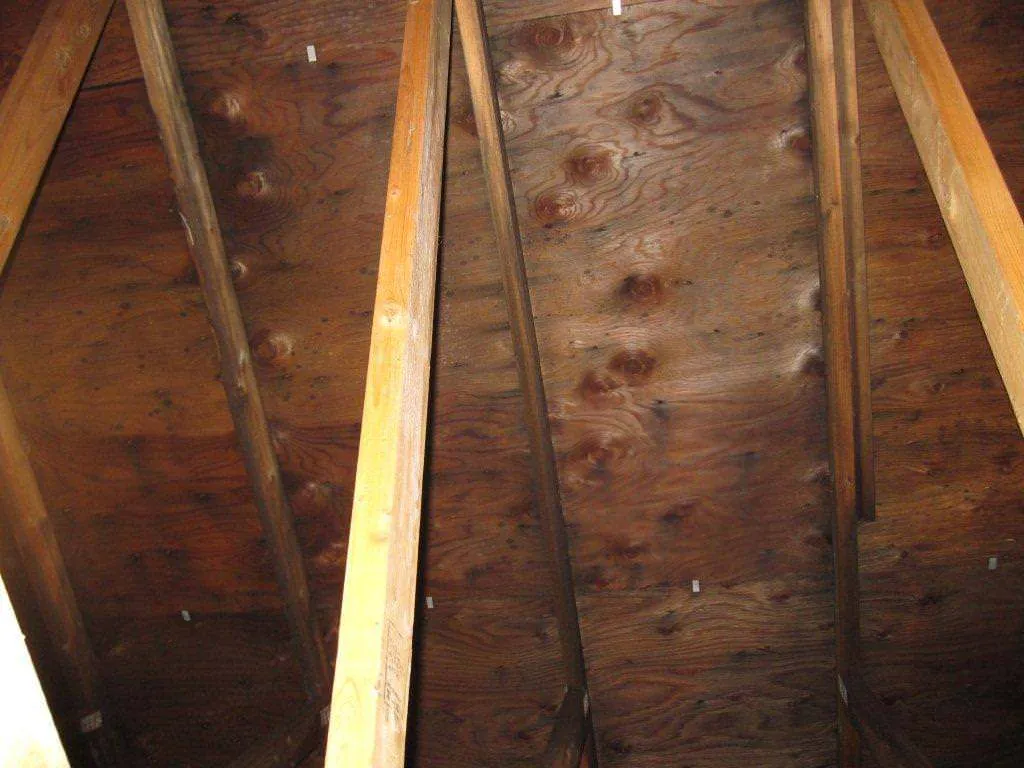
Three things set the price: how severe the mold is, which materials are affected and how large the area is. AES also says costs vary with the extent of structural damage the mold has done. Hidden growth and a tough source repair push a job up.
Here is how those drivers work in practice.
| Driver | Why it changes the cost | What to ask |
|---|---|---|
| Severity of the mold | Heavier growth takes more removal and more careful cleaning | How much of the area shows growth, and how far does it go? |
| Materials affected | Porous material such as carpet or ceiling tile may need replacing, not cleaning | Which items can be cleaned, and which must go? |
| Size of the contaminated area | More area means more containment, more labor and more disposal | What square footage is in the scope? |
| Structural damage | Rotted framing or subfloor adds repair work | Is repair included, or quoted apart? |
| Source of the moisture | A leak you must fix first adds a trade, such as a plumber or roofer | Who fixes the source, and when? |
| Hidden mold | Growth in walls and under floors only shows after inspection | Is a mold inspection part of the estimate? |
EPA gives a useful size marker. It says a moldy area smaller than about 10 square feet, roughly a 3 foot by 3 foot patch, can in most cases be handled by the homeowner. If there has been a lot of water damage, or mold covers more than 10 square feet, a larger plan is needed.
What is included in the price?
A full price should cover inspection, finding the cause, drying, removing mold and contaminated material, and replacing damaged parts. AES lists these steps on its costs page. If a quote leaves one out, ask who handles it and what it costs.
AES describes the steps behind a typical job:
- Find the mold. An inspection shows the extent of the problem and every area affected.
- Find the cause. AES says mold needs moisture, so without the cause, mold can quickly return.
- Dry wet areas and solve water problems. AES calls this step well worth the cost.
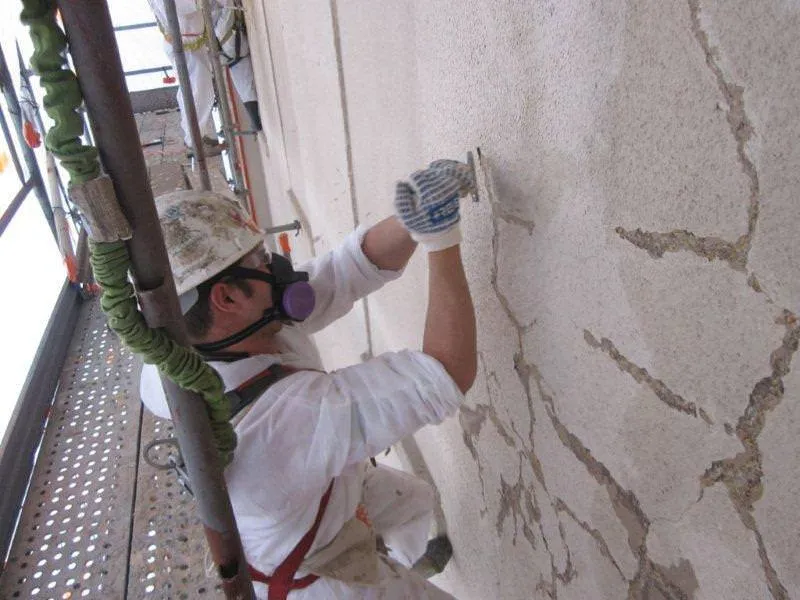
- Kill and remove mold. AES says remediation uses specialized equipment and cleaners, and that mold and mold-contaminated material should be removed, because even dead mold can cause health problems.
- Replace contaminated materials. This is the removal, replacement and repair of materials mold contaminated or destroyed. AES says this part varies with the amount of damage.
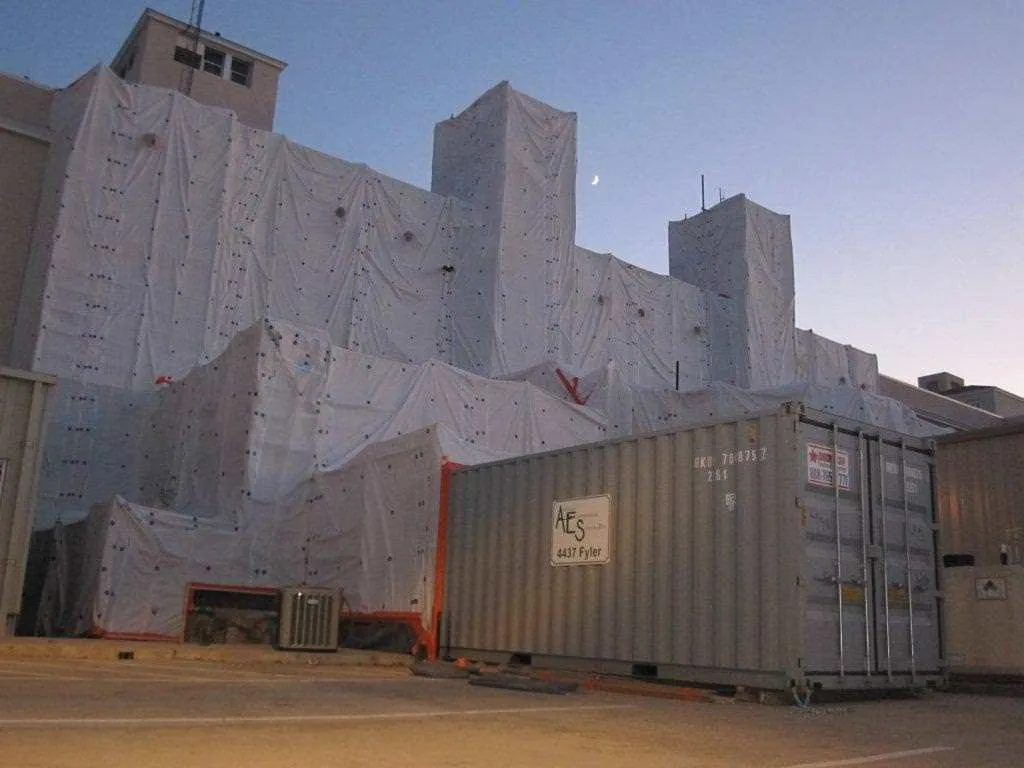
AES also says remediation should be done in a confined area that uses negative air flow and commercial grade antimicrobials. Those controls stop mold from spreading while crews work. The glossary explains containment, and mold remediation as a process.
How long does mold remediation take?
AES says 1 to 5 days is the normal timeframe to complete most average jobs. The same factors that set the price set the schedule: severity, materials and area. Large or structural jobs run longer, and drying time can add to the total.
A few things can stretch a schedule beyond the AES figure:
- A water source that is not fixed yet. Work cannot finish while moisture still enters.
- Material that must be rebuilt. Replacing drywall, flooring or framing adds trades and time.
- Hidden mold found during removal. Opening a wall can show more than the inspection did.
- Drying. Wet structure needs to dry. EPA says water-damaged areas and items should dry within 24 to 48 hours to prevent mold growth, which is why a fast start matters.
AES does not publish a time for each step, so we do not make one up. Ask your contractor for a start date, a daily plan and a finish date in writing.
How do I compare two mold remediation quotes?
Ask each contractor for a written scope and compare the scopes first. Two quotes that look far apart usually cover different work. Line up the same steps side by side, then compare the totals.
| Question for each contractor | Why it matters |
|---|---|
| Does the quote include an inspection and a plan to find the moisture source? | Without the source, mold returns |
| What containment will you use, and does it include negative air flow? | AES says remediation should use a confined area with negative air flow |
| Which materials will you remove, and which will you clean? | The answer sets the labor and the disposal |
| Does the price include rebuild or repair? | Replacement can be the largest line |
| What is the start date and finish date? | Compare against the 1 to 5 day AES figure |
| What do I receive at the end? | Look for a written scope and a record of what was removed |
Ask who is responsible if mold returns. A contractor who handled the cause can explain why it will not. AES says that when mold remediation is done improperly, mold can spread rapidly inside walls, crawl spaces and ceilings.
Is the cheapest mold cleanup the best deal?
Rarely. The risk of a cut-rate job is that it skips the source repair, the containment or the removal of damaged material. EPA says the mold problem will most likely come back if the water problem is not fixed. A second cleanup costs more than doing it right once.
AES says bleach is not recommended for mold, because it does not work on porous surfaces. It says even dead mold spores can cause allergic reactions in some people. A job that paints over mold or only wipes it down leaves spores in place. EPA also says paint applied over moldy surfaces is likely to peel.
If a quote sounds low, check what it leaves out. Compare it against the six questions in the table above. See also our mold remediation vs mold removal comparison for how scope changes the work.
What if the mold followed water damage?
Start with the water. The cheapest step is the first one: dry water-damaged areas within 24 to 48 hours, per EPA. If you missed that window and mold is already growing, move to an inspection. Our mold after water damage guide walks through the first 48 hours and the follow-up.
Some jobs involve sewage or contaminated water. EPA says to call a professional with experience in contaminated water in those cases. Expect a different scope, and ask the contractor to explain it.
Does insurance cover mold remediation?
It depends on your policy and on what caused the water, so ask your insurer before work begins. Do not assume coverage, and do not assume there is none. Keep a written scope, photos and dates, because an insurer will likely ask for them.
AES’s published pages do not make any statement about insurance, so this guide does not either. Read your declarations page, ask the questions in writing, and keep the answers.
How do the cost factors combine on real jobs?
They stack. A small, early problem on a hard surface sits at the low end of the range. A wide area with hidden growth and damaged framing sits at the high end. These three illustrations show how the factors combine. They carry no prices, because AES quotes each job.
| Illustration | Severity | Materials | Area | What to expect |
|---|---|---|---|---|
| Leak found within days, one wall section | Light | Drywall and paint | Small | Fewer steps, a short schedule |
| Slow leak behind a bathroom wall for months | Moderate to heavy | Drywall, insulation, framing | Medium | Open the wall, remove material, repair |
| Basement flood left wet for a week | Heavy | Carpet, drywall, stored items | Large | Containment, more removal, longer drying |
AES’s range of $1500 to $10,000 spans jobs like these for a home with visible mold. Your actual job may fall outside it. If a quote lands far above $10,000, ask the contractor to explain which factor drove it. If it lands far below $1500, ask what the contractor left out.
How do I get an accurate estimate?
Give the contractor the facts that set the price, and ask for a site visit. AES says the cost depends on severity, materials and area, so an honest number needs someone to see the space. A phone quote with no inspection is a guess.
Before the visit, gather these:
- When and how the water got in. The date, the source and whether it is fixed.
- Where you see mold or smell it. Mark rooms on a sketch.
- What got wet. Carpet, drywall, cabinets, stored boxes.
- Symptoms. Note any allergy or asthma symptoms in the household. AES says mold can aggravate asthma.
- Photos and dates. Keep them for your records and any insurance talk.
Commercial buildings follow the same factors on a larger scale. AES has a page for commercial mold remediation, and the same advice holds: ask for a written scope.
How can I keep mold costs down?
Move fast, fix the source and avoid shortcuts. EPA says that if wet areas dry within 24 to 48 hours, mold in most cases does not grow. The cheapest mold job is the one that never starts, and the next cheapest is a small one caught early.
- Dry quickly. Remove standing water, run fans and open the space.
- Fix the leak. Mold returns if the water problem remains.
- Do not paint or caulk over mold. EPA says paint over moldy surfaces is likely to peel.
- Do not rub or wipe a large patch. AES says rubbing can spread mold.
- Call early. A job that spreads into walls costs more than one stopped at a single wall section.
Next step
Ask AES for a custom estimate. Call (314) 865-2662 or use the quote form at /contact, and see the mold remediation costs page for what shapes a price. For common questions, read the mold remediation FAQs first. AES serves St. Louis, St. Charles, and Columbia, Missouri.
Frequently asked questions
How much does mold remediation cost?
AES says prices typically range between $1500 to $10,000 for a home which is showing visible signs of mold. The cost depends on how severe the problem is, which materials are affected and how large the contaminated area is. AES gives a firm number after it evaluates the job.
How long does mold remediation take?
AES says 1 to 5 days is the normal timeframe expected to complete most average jobs. The same factors that set the price also set the schedule: severity, affected materials and the size of the area. A job with damaged structure takes longer.
Is the cost of a mold inspection included?
AES lists the inspection as the first step in the remediation process, because it shows how far the mold spreads and where. AES does not publish a separate inspection price. Ask for it to be written into your estimate or listed as its own line.
Why do two mold quotes differ so much?
Quotes differ when contractors scope different work. One may include source repair, containment and removal of damaged material. Another may only clean the surface. Ask each contractor to list every step in writing, then compare the lists before you compare the totals.
Is cheap mold cleanup worth it?
Be careful. AES says dead mold can still cause health problems, and EPA says mold will most likely return if the water problem is not fixed. A low price that skips the source and the damaged material can cost more when the mold comes back.
Does homeowners insurance pay for mold remediation?
Policies differ, so only your insurer can answer. Ask whether your policy covers mold, what caused the water, and whether a limit applies. Keep photos and a written scope from the contractor, because your insurer will likely ask for them.
Terms on this page
Sources
- Advanced Environmental Services: Mold Remediation FAQs (price and timeline)
- Advanced Environmental Services: Mold Remediation FAQs (duration)
- US EPA: A Brief Guide to Mold, Moisture and Your Home
- US EPA: Mold Cleanup in Your Home
Written by Advanced Environmental Services and checked against the sources above on October 30, 2026. Rules change, so check the linked page before you act.