On this page
- What Is Concrete Polishing?
- Contact Our Concrete Polishing Experts in St. Louis, St. Charles, & Columbia
- What is polished concrete, and how does it differ from sealed or stained concrete?
- How are concrete floors ground, honed and polished?
- What finishes are available: staining, sealing and color?
- Where is polished concrete used?
- How long does polished concrete last, and how do you maintain it?
- How is old adhesive or coating removed before finishing?
- What does polished concrete cost, and what changes the price?
- Next step
From our headquarters in St. Louis, Advanced Environmental Services has provided high-quality concrete polishing services to numerous clients around the region. We can advise you on how this can transform your large area flooring to provide a high-quality surface that will last for years to come, as well as provide comprehensive concrete polishing services including removing old flooring and floor adhesive removal to prepare the surface for polishing.
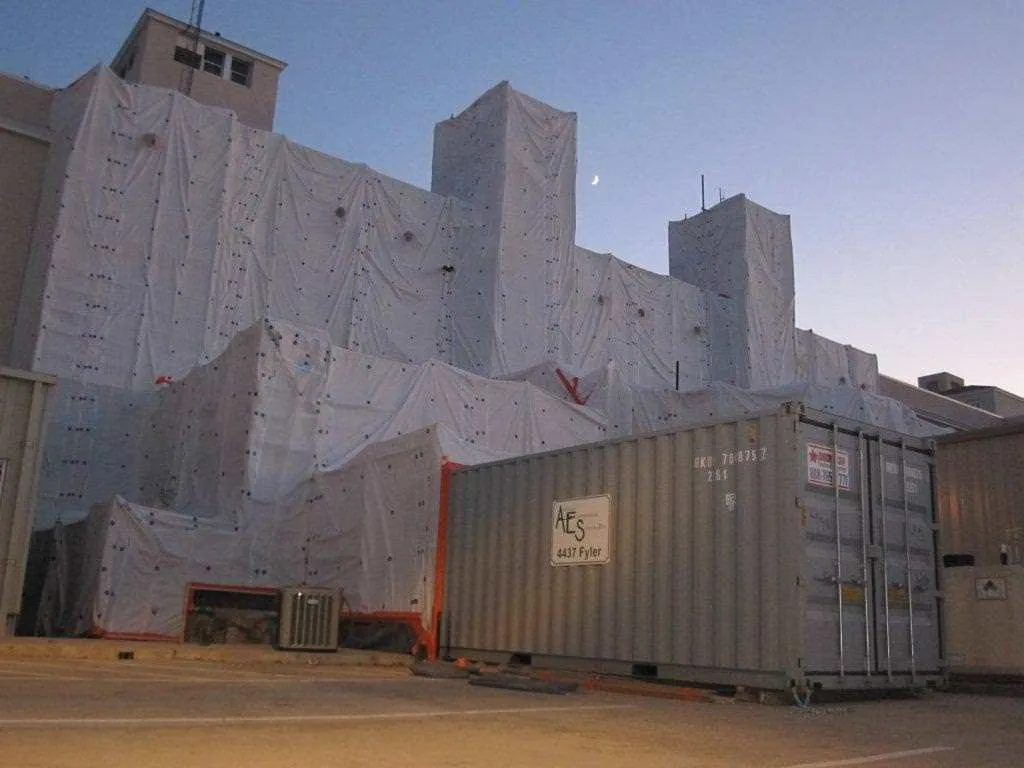
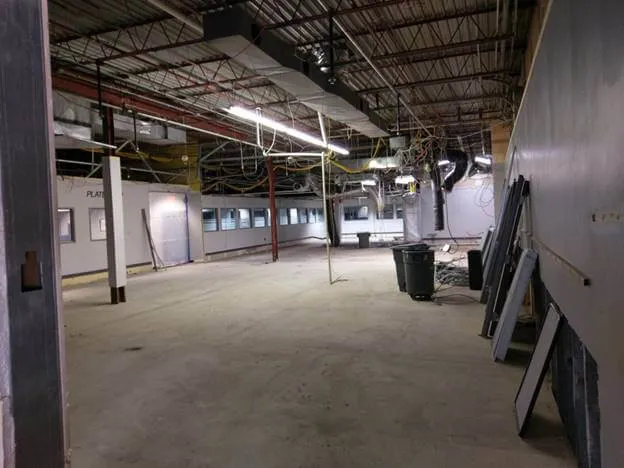 BEFORE
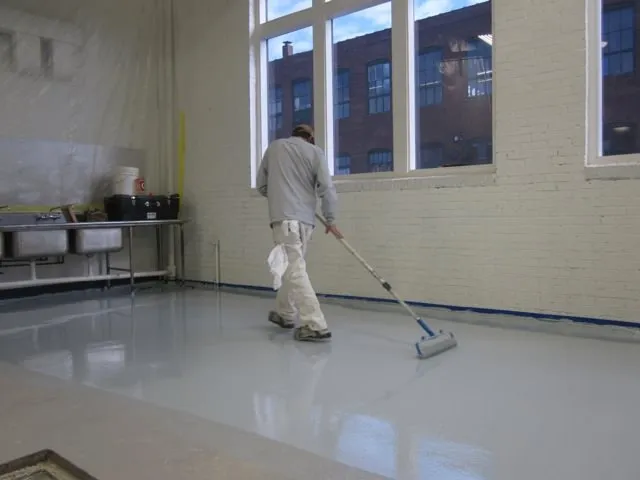
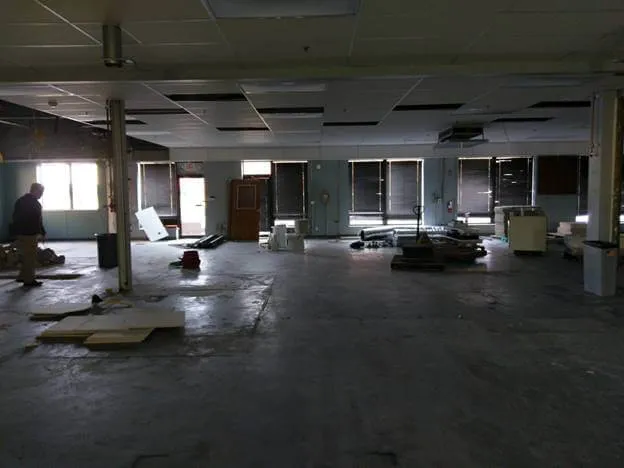 BEFORE
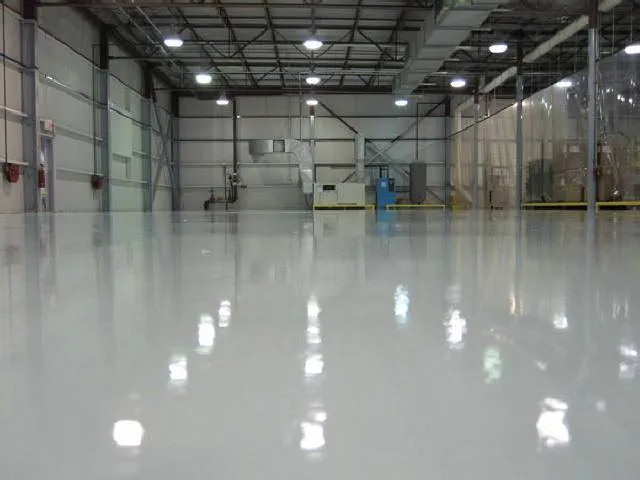
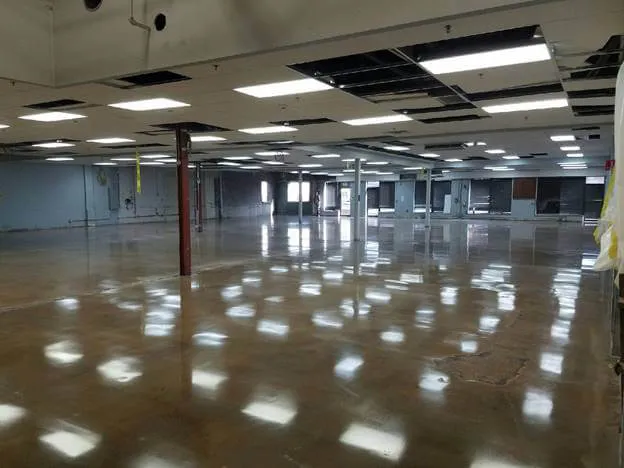 AFTER
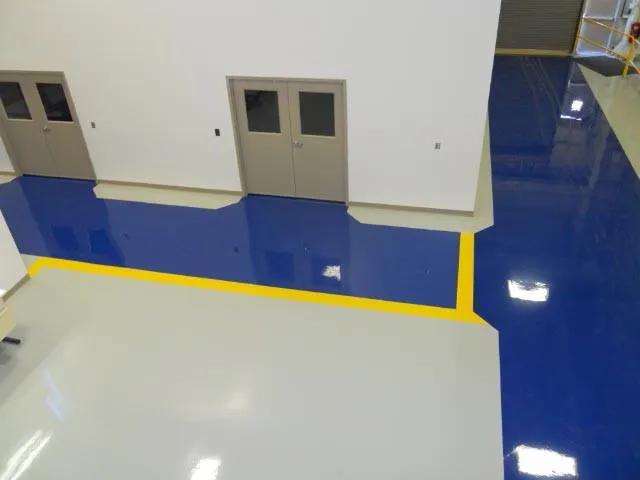
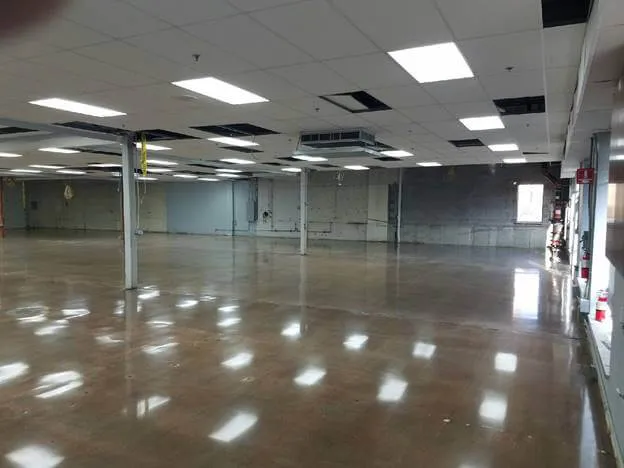 AFTER
Contact our concrete polishing experts today to learn more!
What Is Concrete Polishing?
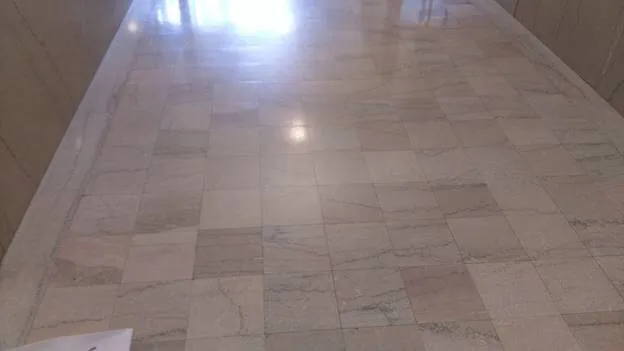
If you are looking to transform your concrete floor, concrete polishing could be the perfect choice. We use state of the art concrete grinding equipment to first smooth the flooring surface. Once the grinding has been completed, the concrete surface is polished to bring out a high gloss finish that is both attractive and very low maintenance.
This surface treatment will not make the surface slippery, and when the need for cleaning arises, a simple damp cloth or mop is all that is required. On top of all that, the durability of the polished surface will last for many years to come!

Who Needs Concrete Polishing?
Concrete polishing offers many benefits for large industrial or commercial buildings. We can provide commercial and industrial concrete polishing services for clients including:
- Manufacturing Plants
- Large Office Buildings
- Schools & Universities
- Hospitals
- Malls and Large Showrooms
- Car and Boat Showrooms
- Garages
What is the Concrete Polishing Process?
The high-tech concrete polishing machines that we use at AES use discs, which have been impregnated with real diamonds. Each stage of the grinding and polishing process uses a finer grade of diamonds, resulting in a smooth surface.
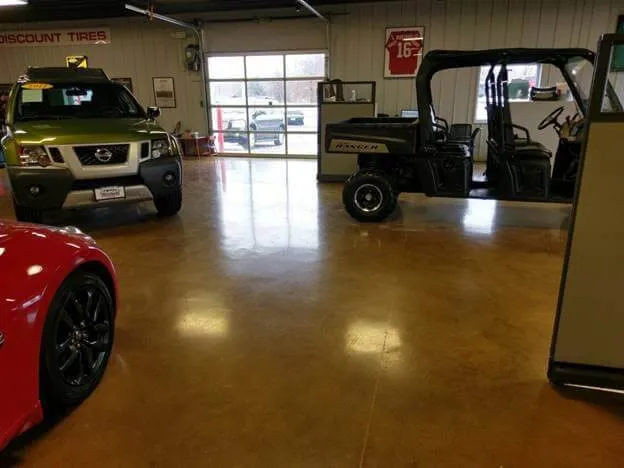
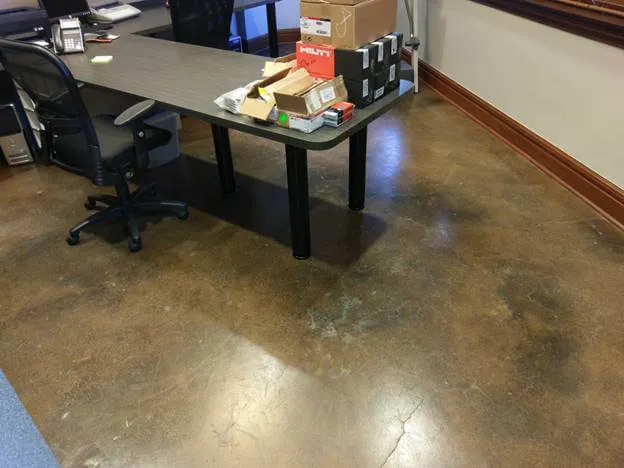
In the final stage of our process, we use the finest grade of diamond grit discs to make the surface shiny. Oftentimes a polishing compound will also be used to remove any residue that may remain.
Benefits of Concrete Polishing

There are many benefits to concrete polishing for large-scale establishments, these can include the following:
- Durable & Low Maintenance, The surface remains as durable as a normal concrete surface, but with the added benefit of a high gloss shine, and is highly resistant to staining and chipping, even if used in high traffic environments. Depending on the degree of traffic in the area, the surface may have to be refinished every five to ten years. This process is very quick and causes very little downtime.
- Affordable Cost, The finish you obtain from our concrete polishing services often is thought to resemble stone or other costlier materials. Compared to most other forms of durable flooring, polished concrete is more affordable and in most cases much quicker to implement.
- Environmentally Friendly, Not only does this type of flooring produce less waste, but also concrete polishing can improve indoor air quality by either reducing or eliminating the buildup of dust, mold, and mildew. It can also help cool the environment in warmer weather.
- Attractive, Concrete polishing in conjunction with concrete stains can create unique and eye-catching surfaces that will make your business stand out.
Contact Our Concrete Polishing Experts in St. Louis, St. Charles, & Columbia
If you are looking to transform your concrete floors into something that will wow your visitors or customers, look no further than AES. Contact us today to request your free quote!
What is polished concrete, and how does it differ from sealed or stained concrete?
Polished concrete is a slab that has been ground smooth and then polished with diamond discs until it has a high-gloss surface. Sealing adds a protective layer on top. Staining changes the color. Many projects combine all three, but each step does a different job.
| Finish | What it does | When AES applies it |
|---|---|---|
| Grinding | Removes high spots, adhesive and old coatings, and levels the slab | First step on almost every job |
| Polishing | Brings up the gloss with finer diamond grades | After grinding |
| Staining | Adds color that looks like stone or marble | After grinding and polishing |
| Sealing | Protects against scratches, chips and stains | On polished or rough concrete |
The glossary entry on polished concrete gives the short definition. If you are weighing polish against a coating, read polished concrete vs epoxy and the epoxy floor coatings page.
Polished concrete uses the slab you already have. That is why it often costs less and goes in faster than tile, stone or a new floor covering. AES says the finish “often is thought to resemble stone or other costlier materials.”
How are concrete floors ground, honed and polished?
A crew grinds the slab first to flatten it and strip off anything stuck to it. Then it polishes the surface in stages, each with finer diamond discs than the last. A final pass with the finest grade gives the shine. A polishing compound may remove any leftover residue.
AES says its machines use discs impregnated with real diamonds, and “each stage of the grinding and polishing process uses a finer grade of diamonds.” Here is the usual order:
- Inspect and prep. Check cracks, joints, coatings and moisture. Remove old flooring and adhesive.
- Grind. Use concrete grinding with coarser discs to level the slab and remove surface flaws.
- Refine. Step through finer grits to smooth the surface and remove scratch marks from the previous pass.
- Harden if needed. Some systems use a densifier, a liquid that firms up the surface. Ask your installer whether your floor needs one.
- Polish. Finish with the finest diamond grade for gloss.
- Stain or seal. Add color or a protective sealer if the plan calls for it.
AES says its dust suppression systems keep dust out of the air during grinding. That matters in medical, pharmaceutical and food areas, and in any building that stays open during the work.
AES says its equipment has a much higher capability than machines you can rent, which makes the job quicker and the result better.
What finishes are available: staining, sealing and color?
AES offers two finish options on top of polish: stain for color and sealer for protection. Stain gives a stone or marble look at a fraction of the cost of the real material. Sealer protects the surface from scratches, chips and stains, and makes it resistant to chemicals.
Staining. After grinding and polishing, AES applies a mixture of acid, metallic salts and other materials. It reacts with the concrete and changes its color. Because the stain reacts with your slab, every floor looks different. Colors can be mixed to create patterns. See concrete staining.
Sealing. Concrete is permeable, which makes it vulnerable to chips, cracks and chemical exposure. AES says sealing makes the surface harder to penetrate and easy to clean. Sealer can go over a polished floor or over rough concrete. See concrete sealing.
A few planning notes:
- Choose the look before you grind. Stain takes best on a surface prepared for it.
- Match the finish to the traffic. A bright showroom wants gloss. A shop floor may want a sealer for oil and chemical spills.
- Ask for a sample area on a hidden spot when color matters.
Where is polished concrete used?
Polished concrete suits large floors that see heavy traffic, which is why AES installs it in commercial and industrial buildings. It also works in homes. AES lists manufacturing plants, offices, schools, hospitals, malls, showrooms and garages among its typical settings.
| Setting | Why it fits | AES page |
|---|---|---|
| Showrooms, malls, offices | Gloss, fast install, easy cleaning | Commercial concrete polishing |
| Factories, warehouses, workshops | Durability under loads and machinery, stain resistance | Industrial concrete polishing |
| Hospitals, labs, schools | Smooth surface, less dust and mildew buildup | Concrete finishing FAQs |
| Restaurants, kitchens, salons, churches | Low maintenance, attractive finish | Concrete staining |
| Garages, homes | Durable surface from the slab you have | Concrete sealing |
AES also says polished concrete can improve indoor air quality by reducing or eliminating dust, mold and mildew buildup, and that it produces less waste than many flooring options. Its page notes that polished concrete can help cool the environment in warm weather.
How long does polished concrete last, and how do you maintain it?
A polished floor lasts for many years. AES says heavy-traffic places may need to redo the finish every 5 to 10 years, and it describes that as a quick and affordable process with very little downtime. Daily care is simple: AES says a damp cloth or mop is all most cleaning requires.
Your own timeline depends on three things:
- Traffic. Forklifts, carts and foot traffic wear the gloss in lanes first.
- Spills and grit. Sand and dirt act like sandpaper. Entry mats help.
- Sealer. A sealer protects the surface and may need renewal.
A short care routine keeps a floor looking good:
- Dust mop daily in busy areas.
- Damp mop with a cleaner your installer approves.
- Wipe spills quickly.
- Put mats at entrances.
- Call for a refinish when the shine fades in main traffic paths.
The post on how long polished concrete lasts goes deeper on wear and refinish timing.
How is old adhesive or coating removed before finishing?
AES removes old flooring, adhesive and coatings by shot blasting or by grinding with diamond-disc machines, depending on the floor. The machines carry dust suppression systems. Once the slab is clean, it is ready for polish, stain, sealer or a new floor covering.
Old floor tile and the glue under it can contain asbestos. AES says it can test, remove and dispose of such flooring and adhesive, and it follows the rules for asbestos floor tile and asbestos tile removal. Do not scrape, sand or grind old tile or mastic yourself. Learn what mastic is and why it matters before you start any demo.
AES lists four reasons to grind before any new flooring:
- Remove adhesive, glue, grout and old coatings.
- Level the slab so doors close and water drains.
- Clear oil and dirt from the surface.
- Prepare the slab for polish, stain, sealer or a new floor covering.
This is one advantage of using one contractor. AES handles the floor adhesive removal, the asbestos testing if needed and the finishing. The concrete floor prep guide shows how prep decides the final result.
What does polished concrete cost, and what changes the price?
AES does not publish a price, because each floor is different. The main cost drivers are floor size, slab condition, how much old material must be removed, the level of polish and any stain or sealer. AES offers a free quote.
| Factor | How it affects price |
|---|---|
| Square footage | More area means more time and more discs |
| Slab condition | Cracks, uneven spots and patches add work |
| Old coating or adhesive | Removal comes first and may need asbestos testing |
| Polish level | A higher gloss takes more passes |
| Stain or sealer | Each adds materials and labor |
| Access and schedule | Night or phased work in occupied buildings can change the plan |
AES says polished concrete costs less than most other durable flooring and is quicker to install in most cases. Compare quotes by scope: what prep is included, how many passes, whether stain or sealer is in the price, and whether adhesive removal is separate.
Next step
Ready to price a floor? Call AES at (314) 865-2662 or request a free quote through the contact page. Send the square footage, the current floor surface and any coating or tile you know about, and ask for a written scope.
Frequently asked questions
How is polished concrete different from sealed or stained concrete?
Polished concrete is the base finish: the slab is ground and polished with diamond discs until it shines. Sealing adds a protective layer. Staining adds color through a chemical reaction. AES applies stain after grinding and polishing, and it seals the polished floor to protect it from scratches, chips and stains.
Is polished concrete slippery?
AES says polishing leaves a smooth, high-gloss finish that does not make the floor slippery. It contrasts this with marble and tile, where low friction is a common problem. If slip resistance matters for your space, ask AES about the finish and sealer before you commit.
How long does a polished concrete floor last?
AES says the polished surface lasts for many years. Places with heavy traffic may need to redo the finish every 5 to 10 years, and AES describes that as a quick, affordable process with very little downtime. Lighter-use floors can go longer between refinishes.
How do I clean and maintain a polished floor?
AES says a damp cloth or mop is all most cleaning needs. Wipe spills promptly and avoid harsh abrasives that dull the shine. Heavy-traffic areas get worn first, so plan a refinish when the gloss fades. Your installer can give product-specific care advice.
Can you polish a floor that has old tile glue or coating on it?
Yes, after the old material is removed. AES grinds off adhesive, coatings and old flooring before polishing. Older tile and adhesive may contain asbestos, so AES tests before disturbing them. Do not scrape or sand old flooring yourself.
Where is polished concrete used?
AES lists manufacturing plants, large office buildings, schools and universities, hospitals, malls and showrooms, car and boat showrooms, garages, commercial kitchens, laboratories, churches, salons and warehouses. It also says the finish works in residential settings.
How much does polished concrete cost?
AES does not publish a price. Cost depends on floor size, slab condition, how much old coating or adhesive must come off, the polish level and any stain or sealer. Request a free quote with the square footage and a description of the floor, and compare the scope line by line.