
What is the difference between mold remediation and mold removal?
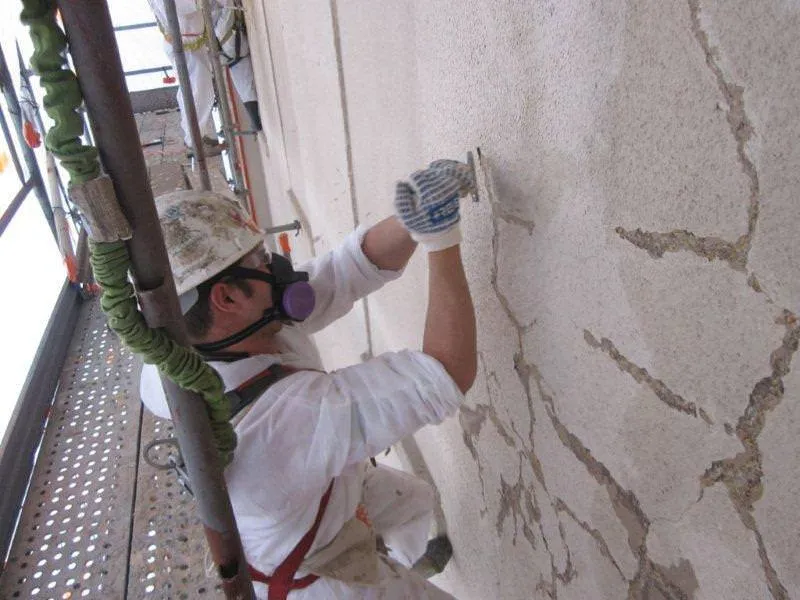
Mold removal takes the growth out. Mold remediation is the full job: contain the area, remove the mold and damaged material, find why it grew, and clean so it does not return. AES describes remediation as removing and cleaning all traces of mold from an indoor environment.
Both words are common, and they overlap. AES uses them together on its pages: its mold remediation page covers inspection, removal and finding “the main cause for the mold problem,” while its mold removal page walks through the steps. Use the words as a clue, then read the written scope.
EPA puts the key idea simply: “Moisture Control is the Key to Mold Control.” If a leak keeps feeding the mold, removal alone will not last. See the glossary for mold remediation, mold spores and moisture barrier.
How do they compare side by side?
Remediation covers more steps than removal. The table shows what each usually includes. Confirm each line in the quote you receive.
| Step | Mold removal | Mold remediation |
|---|---|---|
| Find hidden growth | Sometimes | Yes, with an inspection |
| Contain the area | Sometimes | Yes, to stop spores spreading |
| Remove mold and damaged porous material | Yes | Yes |
| Find and fix the moisture source | Often left to you | Part of the job |
| Dry the area | Sometimes | Yes |
| Check that the area is clean | Rarely | Yes |
| Typical use | Small, visible patches | Larger or hidden problems, commercial buildings |
AES says its remediation work includes determining the main cause of the mold, typically a moisture problem such as pipe or ceiling leaks, condensation, high humidity or a recent flood. AES’s removal guidance ends with drying the whole area and checking surfaces and air for signs of remaining moisture.
When can I handle mold myself?
Only when it is small and the cause is fixed. EPA says that if the moldy area is less than about 10 square feet, roughly a 3 ft. by 3 ft. patch, most homeowners can handle the job. For bigger problems, EPA points you to its guidance for schools and commercial buildings.
If there has been a lot of water damage, or mold covers more than 10 square feet, treat it as a remediation job. AES also notes that it recommends professional work for most projects because spores spread when mold is disturbed. See our mold over 10 square feet post and the mold after water damage guide.
Bleach is not the answer. EPA says routine use of a biocide such as chlorine bleach is not recommended, and that “it is not enough to simply kill the mold, it must also be removed.” AES agrees that bleach does not remove spores from porous surfaces and that even dead spores can cause allergic reactions.
What does remediation cost and how long does it take?
AES publishes one range. It says prices typically range from $1500 to $10,000 for a home showing visible signs of mold, and that 1 to 5 days is the normal timeframe for most average jobs. AES quotes each job, and cost depends on severity, materials affected and the size of the area.
| Factor that changes the price | Why it matters |
|---|---|
| Size of the contaminated area | More area means more containment and labor |
| Materials affected | Porous materials often have to be removed and replaced |
| Severity of the mold problem | Hidden growth costs more to find |
| Structural damage | Repairs may follow remediation |
Treat the range as AES’s figure, not an industry average. Read mold remediation costs and our guide to mold remediation cost and timeline.
How do I choose between inspection, removal and remediation?
Start with a mold inspection. It finds the extent of growth, including hidden growth between walls and under flooring, and it tells you which job you have. AES does the inspection first, then provides a cost estimate.
- Small, visible patch, under 10 square feet. Fix the leak, then follow EPA’s cleanup guidance.
- Larger area or water damage. Hire a mold remediation company. See home mold removal and commercial mold remediation.
- Black or dark growth. Color does not tell you the species, so inspect first. See black mold remediation.
- Mold after a flood or fire. AES also provides fire and water restoration.
AES offers mold inspection as the first step. For the full process, see mold remediation company.
What does a mold remediation scope look like?
A full scope follows the order AES describes: inspect, locate, estimate, remove, find the cause, contain, dry and check. Ask any bidder to show these steps in writing.
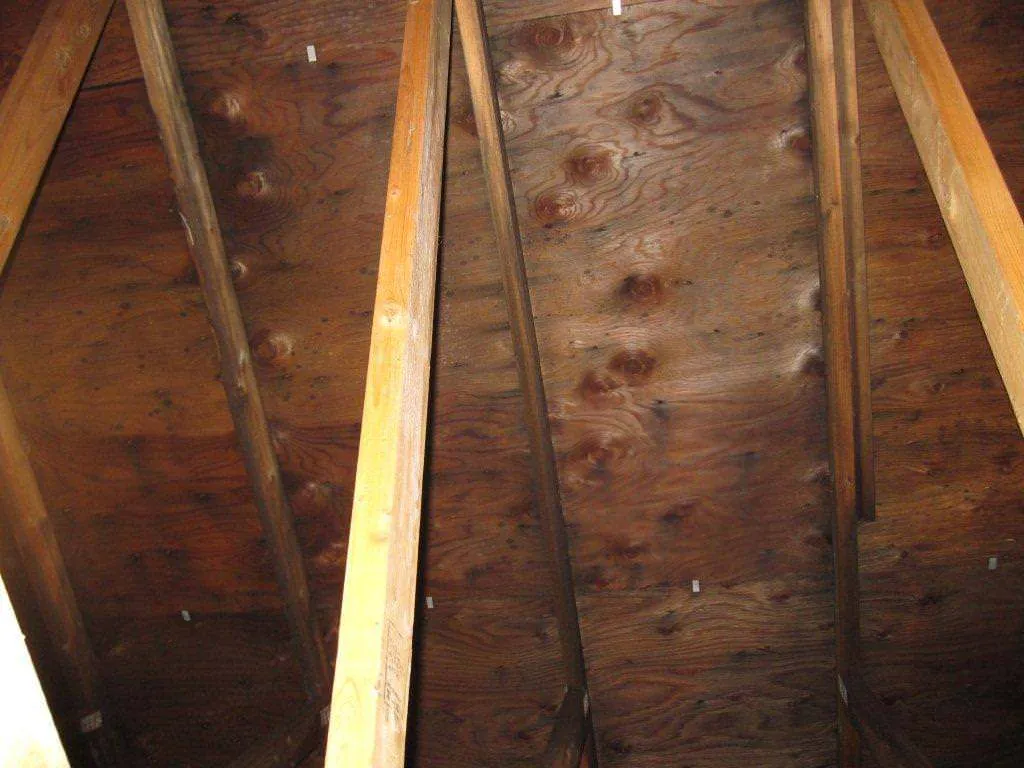
- Inspect. Determine the extent of mold damage, including unseen growth between walls and under flooring.
- Estimate. Set the cost once growth and structural damage are known.
- Remove. Take out the mold contamination and materials that cannot be cleaned.
- Find the cause. Look for pipe or ceiling leaks, condensation, high humidity or a recent flood.
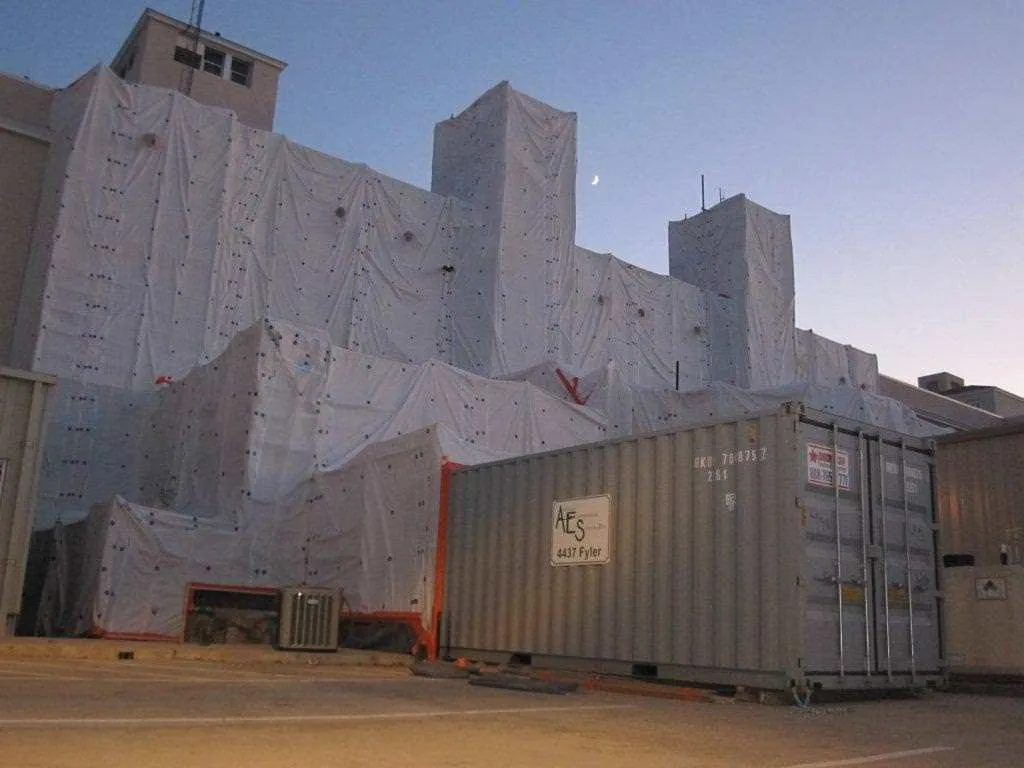
- Prevent spread. Use containment and negative air so spores do not move to clean rooms. See containment and negative air machine.
- Dry and check. Dry the whole area, then check air quality and surfaces for remaining moisture.
Speed matters. EPA says that if wet or damp materials are dried within 24 to 48 hours after a leak or spill, mold will not grow in most cases. Read our guide to mold after water damage.
Why does mold come back after cleanup?
It comes back when the moisture stays. Mold needs moisture, and AES says normal indoor temperatures suit it, with some mold taking moisture from the air when humidity is above 70%. If a leak, condensation or poor ventilation continues, new growth follows any cleanup.
That is the practical case for remediation over removal alone. Remediation treats the cause as part of the job. Ask any bidder what they will do about the leak, the humidity and the drying, and what proof of dryness they will give you. See moisture barriers for one way AES addresses vapor coming up through concrete floors.
Next step
Call (314) 865-2662 or use the quote form at /contact. Describe the area, the cause if you know it, and any water damage. Start with the mold remediation page.
Frequently asked questions
What is the difference between mold removal and mold remediation?
Mold removal takes out visible growth and damaged material. Mold remediation includes removal and also contains the area, finds the moisture source, and cleans so mold does not return. The terms overlap, and AES uses both on its pages, so compare written scopes, not labels.
Do I need remediation or can I just remove mold myself?
EPA says that for a moldy area under about 10 square feet, most homeowners can handle the job. If water damage is heavy or mold covers more than 10 square feet, it points to its commercial and school guidance. AES recommends professional help for most projects.
Is mold remediation worth the cost?
It is when the cause is not fixed. Cleaning growth without fixing the leak invites regrowth. AES says prices typically range from $1500 to $10,000 for a home with visible mold and quotes each job. A written scope that fixes the moisture source is what you are paying for.
Does bleach remove mold?
No. EPA says bleach is not recommended as a routine practice during mold cleanup, and that dead mold may still cause allergic reactions, so it must be removed. AES says bleach is ineffective on porous surfaces and can make mold spread.
How long does mold remediation take?
AES says 1 to 5 days is the normal timeframe for most average jobs. Larger or hidden damage takes longer. Drying the structure and fixing the water source can add time, so ask for a schedule in writing.
Terms on this page
Sources
- Advanced Environmental Services: Mold Remediation FAQs
- Advanced Environmental Services: Mold Remediation FAQs (price and timing)
- Advanced Environmental Services: Mold Remediation FAQs (timeframe)
- Advanced Environmental Services: Mold Remediation
- Advanced Environmental Services: Mold Removal
- U.S. EPA: A Brief Guide to Mold, Moisture and Your Home
- U.S. EPA: A Brief Guide to Mold, Moisture and Your Home (larger areas)
- U.S. EPA: A Brief Guide to Mold, Moisture and Your Home (dead mold)
- U.S. EPA: A Brief Guide to Mold, Moisture and Your Home (moisture)
- U.S. EPA: A Brief Guide to Mold, Moisture and Your Home (drying)
- Advanced Environmental Services: Mold Remediation FAQs (humidity)
Checked against the sources above on October 30, 2026. Rules and fees change, so check the linked page before you act.