
Is there an alternative to asbestos removal?
Yes. AES answers this exact question in its asbestos removal FAQ: “Yes, you can opt for asbestos encapsulation instead. The process is less time-consuming than asbestos abatement. It involves covering the asbestos with a protective coating, and is especially suitable for repairing damaged or exposed asbestos edges. However, asbestos will remain and may pose a problem in the future as the material ages and degrades.”
That is the core trade-off. Encapsulation is faster and cheaper, and the asbestos stays. Removal costs more and ends the problem for that material. Read the glossary entry on encapsulation for the short definition.
EPA frames the first question differently. It says the best thing is usually to leave asbestos-containing material alone if it is in good condition. Material that is intact and undisturbed does not release fibers. You only need a fix when it is damaged, deteriorating or about to be disturbed.
How do encapsulation and removal compare?
Encapsulation manages the asbestos in place, and removal takes it away. The table uses AES’s published statements. Confirm each row for your building.
| Factor | Encapsulation | Removal (abatement) |
|---|---|---|
| What happens | A sealant coats the material | The material is removed and disposed of |
| Asbestos afterward | Stays in place | Gone from that area |
| Time | Less time-consuming | Longer; depends on area and type |
| Cost | AES says more affordable | AES says it can be costly |
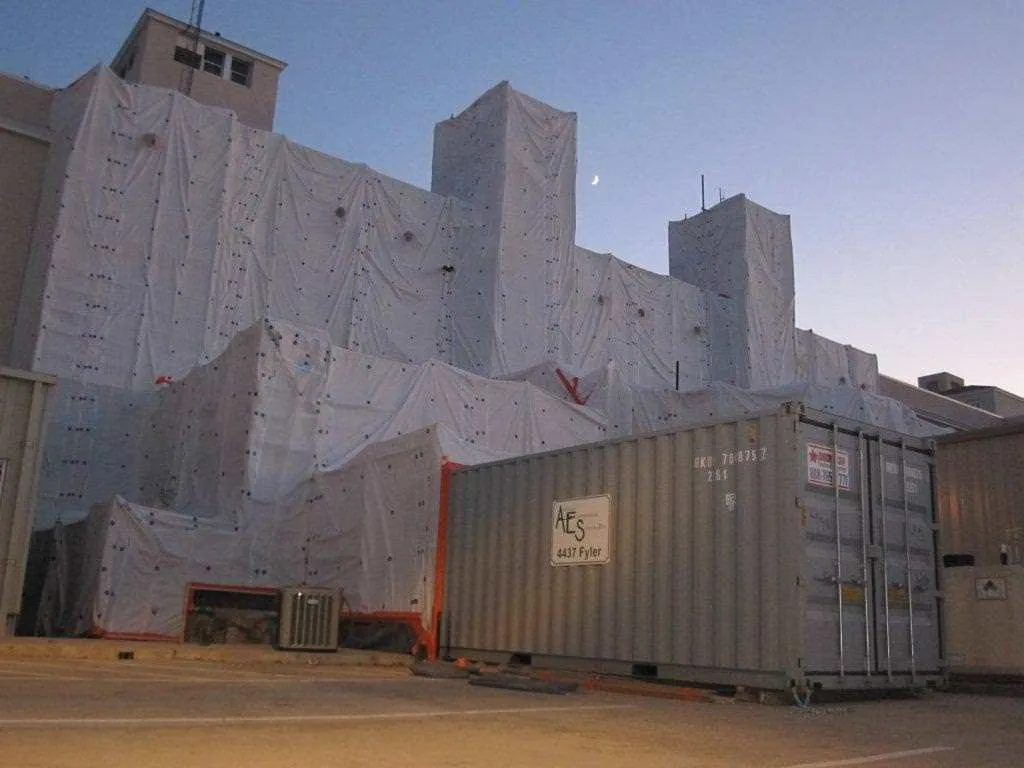
| Disruption | AES says people can usually stay nearby | AES seals off the work area with plastic sheeting |
| Future renovation | Drilling or sanding is discouraged | Area is free of that material |
| Not suited when | Material is badly damaged, or water could damage the coating | EPA says removal may be called for when damage is extensive |
| Long-term risk | May become a problem as the material ages | Eliminated for that material |
AES’s encapsulation page names two sealant types. A bridging sealant covers the surface so fibers stay put. A penetrating sealant soaks into the material and binds the internal fibers. It lists benefits: repairs and seals damaged or exposed edges, reduces fiber release from degradation, and extends the life of the material.
When is encapsulation the better choice?
Choose it when the material is intact, stable and out of the way of future work. That means flooring or insulation in fair shape, no planned remodel, and no water risk. Edges that are cracked or exposed are a common reason to seal.
Use these tests.
- Condition. The material is solid, not crumbling. Friable asbestos needs extra caution.
- Plans. No drilling, sanding, cutting or demolition in that area.
- Moisture. No leaks or flooding that could break the coating.
- Budget and downtime. You need a lower cost or less disruption.
- Survey. A certified inspector has sampled and confirmed what the material is. See asbestos survey and asbestos testing.
Encapsulated areas need to be left alone. AES says you are discouraged from later renovation involving drilling or sanding in that area, because damage would reduce or eliminate the coating’s effect.
When should I remove the asbestos instead?
Remove it when the material is damaged, when you plan to renovate or demolish, or when you want it gone for good. EPA says removal may be called for when the material is damaged extensively and cannot be otherwise repaired.
Missouri’s rules push toward removal on renovation and demolition. When an inspection finds 160 square feet, 260 linear feet or 35 cubic feet or more of regulated asbestos-containing material that the work will affect, a Missouri registered asbestos abatement contractor must remove all of it. The state requires notification at least 10 working days before crews begin. A demolition notice is required even when no asbestos is found. Most single-family residences are exempt from the state rules, but commercial buildings and some residential structures are covered.
AES holds Missouri DNR asbestos contractor registration 27-06-0640. See regulated asbestos-containing material, NESHAP and our guide to Missouri demolition and renovation asbestos rules.
Never remove or disturb asbestos yourself. For the removal steps, read the asbestos removal process guide, then asbestos removal costs.
How do I decide?
Get a survey, then ask for both options in writing. A survey tells you what the material is and what shape it is in. A written quote for each option shows the real trade-off in cost, downtime and future limits.
Ask your contractor these questions.
- What is the material, and how much is there?
- Is it damaged? Could water reach it?
- What renovation or demolition do I plan in the next ten years?
- What does each option cost now, and what does it cost to keep an encapsulated area intact?
- Who files notices, and what is the schedule?
Our guide to hiring an asbestos contractor in Missouri helps you compare bids. For terms, see abatement vs remediation.
What happens step by step in each option?
Both start with a survey. After that, the paths split. AES describes each option on its own pages, and the details below come from those pages.
Encapsulation
- A qualified surveyor explains the advantages, the limits and the price difference.
- The crew coats the material with a sealant. A bridging sealant covers the surface. A penetrating sealant binds fibers inside.
- In most circumstances people can stay in the vicinity during the work, says AES.
Removal
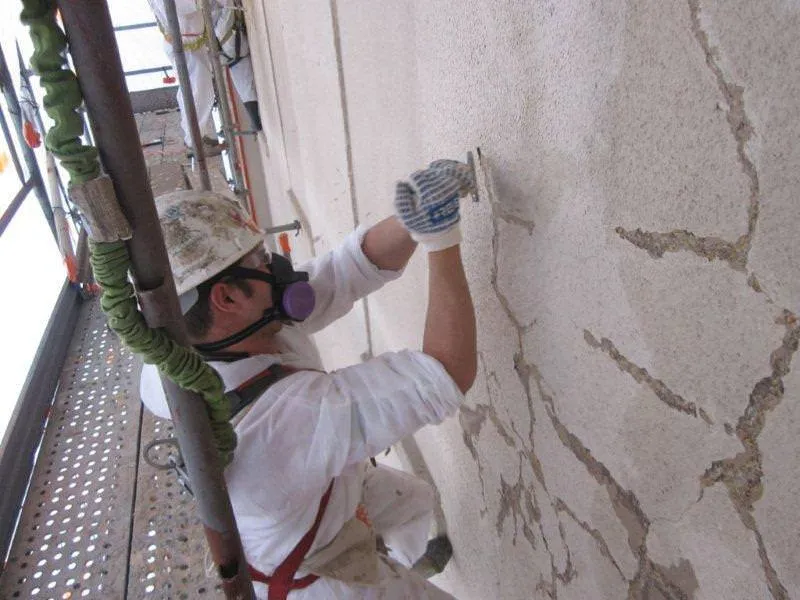
- The crew seals off the work area with industrial plastic sheets.
- The crew removes the material and disposes of it as regulated waste. See asbestos disposal.
- After removal, the air in and around the building is tested for asbestos fibers. AES says air is deemed safe when it meets OSHA’s permissible exposure limit of 0.1 fiber per cubic centimeter.
For unusual materials, ask about asbestos floor tile and asbestos siding removal. The service pages for asbestos encapsulation and asbestos abatement give scope detail.
Next step
Call (314) 865-2662 or use the quote form at /contact. We will survey the material and quote encapsulation and removal side by side. See the asbestos encapsulation page.
Frequently asked questions
Is there an alternative to asbestos removal?
Yes. AES says you can opt for asbestos encapsulation instead. It is less time-consuming than abatement and involves covering the asbestos with a protective coating. But the asbestos remains and may pose a problem in the future as the material ages and degrades.
Is encapsulation cheaper than removal?
AES says encapsulation is more affordable than complete removal and that its surveyors explain the price difference. AES does not publish prices and quotes each job. Ask for both options in writing, including the long-term cost of keeping the material in place.
When is encapsulation not safe?
AES says it is not considered safe when the asbestos is already badly damaged, or when water could damage the coating. It also discourages later drilling or sanding in that area, because that can damage the encapsulation.
Can I encapsulate before a remodel?
Usually not. If your plans involve cutting, drilling, sanding or demolition, the material will be disturbed. Missouri DNR requires a registered abatement contractor when an inspection finds 160 square feet, 260 linear feet or 35 cubic feet or more of regulated material that work will affect.
Does EPA recommend removal?
Not as a first step. EPA says the best thing is usually to leave asbestos-containing material alone if it is in good condition. It says repair usually involves sealing or covering, and that removal may be called for when the material is damaged extensively and cannot be otherwise repaired.
Terms on this page
Sources
- Advanced Environmental Services: Asbestos Removal FAQs
- Advanced Environmental Services: Asbestos Removal FAQs (process)
- Advanced Environmental Services: Asbestos Removal FAQs (trade-off)
- Advanced Environmental Services: Asbestos Removal FAQs (benefit of removal)
- Advanced Environmental Services: Asbestos Encapsulation
- Advanced Environmental Services: Asbestos Encapsulation (water)
- Advanced Environmental Services: Asbestos Encapsulation (cost)
- U.S. EPA: Protect Your Family from Exposures to Asbestos
- U.S. EPA: Protect Your Family from Exposures to Asbestos (repair)
- Missouri DNR PUB2554: Asbestos in demolition and renovation
- Missouri DNR: Asbestos
- Advanced Environmental Services: Asbestos Removal FAQs (containment)
- Advanced Environmental Services: Asbestos Removal FAQs (air test)
- Advanced Environmental Services: Asbestos Encapsulation (occupancy)
Checked against the sources above on October 30, 2026. Rules and fees change, so check the linked page before you act.