
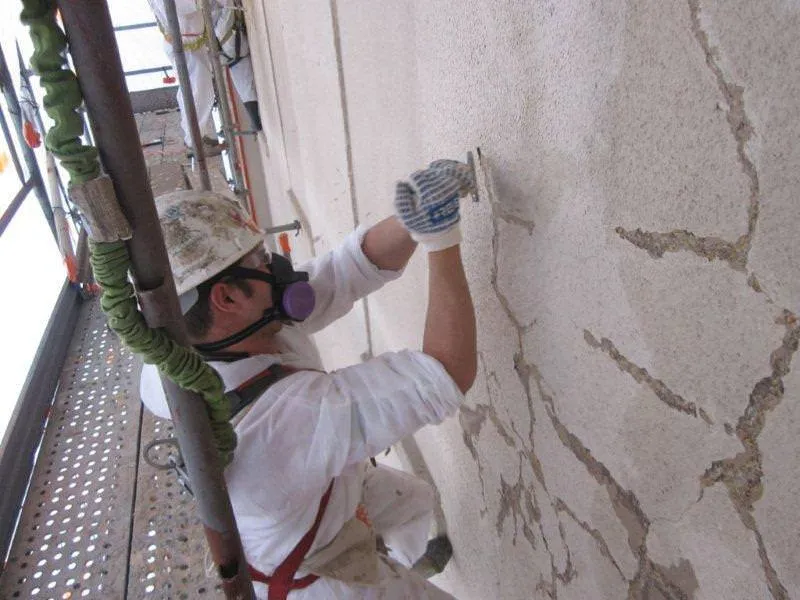

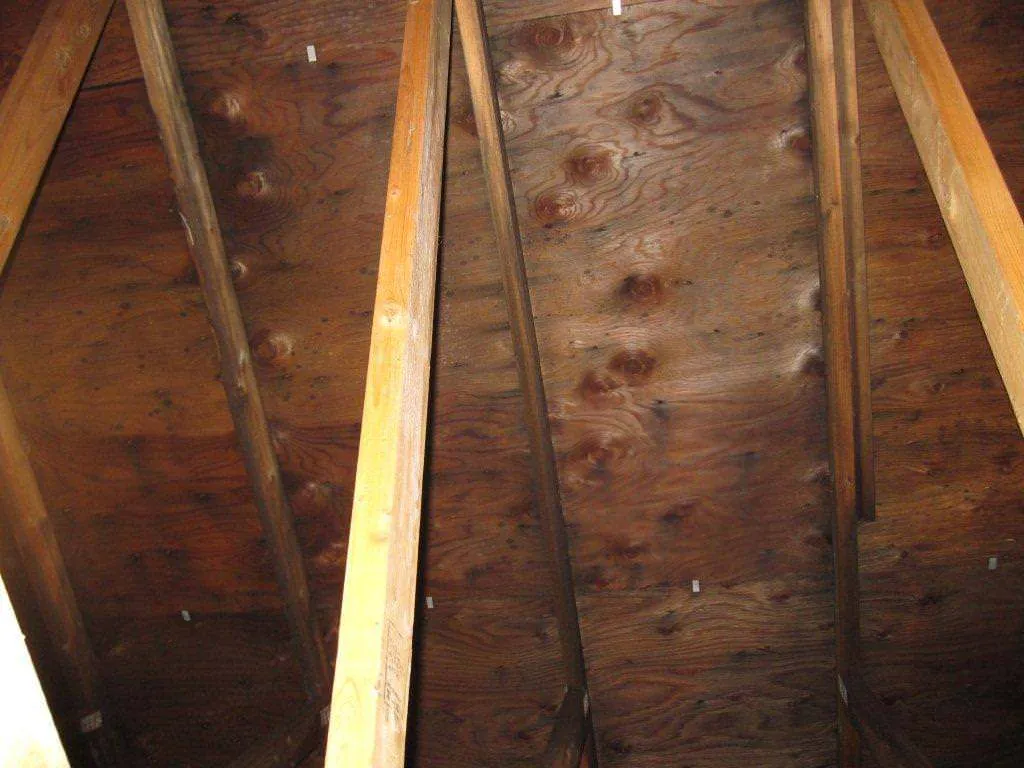
Why does 1978 matter for lead paint?
Lead paint was common in homes built before 1978. AES says lead was used as a drying agent and pigment in oil-based paint until 1978. Missouri DHSS says any housing built before 1978 may be considered suspect, and pre-1950 homes are most likely to contain it.
Many St. Louis neighborhoods have housing from those decades. DHSS gives Missouri-specific estimates, shown below. These are state estimates, not a test of your house. Only a licensed inspection or risk assessment can tell you what is on your walls.
| Year home was built | Estimated share with lead-based paint in Missouri | Source |
|---|---|---|
| 1960 to 1978 | 60% | Missouri DHSS |
| 1940 to 1959 | 80% | Missouri DHSS |
| Before 1949 | As high as 90% | Missouri DHSS |
If you are buying, renting out or renovating a house in this range, plan for lead. Older homes can also hold other legacy materials. Our guide to asbestos in older St. Louis homes covers that side of the same checkup.
Is lead paint dangerous if it is not peeling?
Intact lead paint is a lower risk, but it can turn hazardous. AES says lead paint in good condition is typically not a hazard. The danger rises when paint deteriorates, when surfaces take wear, or when a renovation breaks paint into dust and chips.
AES lists the situations where lead paint is likely to be hazardous:
- Paint that is peeling, chipping, chalking or cracking.
- Paint on surfaces with heavy wear, such as windows, window sills, doors, door frames, stairs, stair rails, hardwood floors, porches and fences.
- Paint on surfaces being renovated.
- Paint in multi-family buildings, where one problem can affect many families.
- Lead in the soil around a building.
The people at risk matter. The City of St. Louis says children under six are at greatest risk of ingesting lead dust from deteriorating lead-based paint. AES says children can be exposed by putting lead-contaminated hands or objects in their mouths, eating paint chips or playing in contaminated soil. It adds that lead can harm a developing fetus, so pregnant women should avoid contact with lead paint, dust and chips.
The City says lead, when ingested, can cause serious health problems including nervous system and kidney damage as well as learning disabilities. For more detail on health effects, see AES’s lead paint facts page.
How do I test for lead paint?
Use a licensed professional. In Missouri, paint chip sampling must be performed by a licensed lead-based paint inspector or risk assessor, per DHSS. Do not scrape paint yourself to send to a lab. Scraping creates the dust you are trying to avoid.
There are four routes, and they answer different questions.
| Route | What it tells you | Who does it |
|---|---|---|
| Inspection with an XRF analyzer | Whether painted surfaces contain lead, read from the surface | Licensed lead inspector |
| Paint chip sampling for lab analysis | Lead content of a sample from a specific surface | Licensed inspector or risk assessor (required in Missouri) |
| Risk assessment | Where lead hazards are, such as dust, soil and deteriorating paint | Licensed risk assessor |
| City of St. Louis inspection | Identifies lead-based paint hazards, free on qualifying properties | City lead inspectors |
The City’s free inspections apply to residential City properties where children under six or a pregnant woman reside. When hazards are found, owners may apply for financial assistance. The City bases assistance on the income of occupants, whether children under six live there and whether the owner occupies the property. Request an inspection through the City’s online form or call CSB at 622-4800.
Outside that program, DHSS says to use a licensed professional. Its Missouri licensed professionals list is on the DHSS lead licensing page.
When does the EPA renovation rule apply?
The RRP rule applies when someone is paid to disturb paint in a home, childcare facility or preschool built before 1978. EPA says those workers must be certified and trained in lead-safe work practices. If you hire a contractor for a pre-1978 home, EPA recommends choosing a lead-safe certified one.
Missouri DHSS describes the threshold. The RRP rule covers work that affects more than 6 square feet of painted surface inside or 20 square feet outside. The contractor must be a certified renovation firm and use a certified renovator for the employee.
| Situation | RRP rule applies? |
|---|---|
| Paid contractor replaces windows in a 1965 house | Yes, if the work disturbs painted surfaces over the thresholds |
| Contractor sands painted trim in a 1950 house | Yes |
| Homeowner works on their own 1962 house | The rule covers paid work. EPA still recommends that homeowners hire a lead-safe certified contractor for an RRP project |
| Work on a house built in 1990 | No, not a pre-1978 home |
| Work done in response to an elevated blood lead level | Not RRP. DHSS says abatement tied to this should be done by licensed abatement contractors |
Ask any renovation contractor for their EPA firm certification before work starts. Do it in writing, and ask how they will contain dust and clean up. Removal of lead hazards is different, as the next section shows.
Should I test, renovate safely or abate?
Pick by purpose. Test when you do not know what is there. Renovate safely when lead is present and you are remodeling anyway. Abate when you need to remove or permanently control a lead hazard. Abatement requires a DHSS license in Missouri.
| Option | Use it when | Who must do it |
|---|---|---|
| Test or assess | You are unsure whether paint contains lead | Licensed inspector or risk assessor |
| Lead-safe renovation | You are remodeling a pre-1978 home | RRP-certified firm with a certified renovator |
| Abatement | Paint is deteriorating, a child has an elevated blood lead level, or you want the hazard permanently addressed | DHSS-licensed lead abatement contractor and workers |
| Monitor and maintain | Paint is intact and in good condition | You, with regular checks and damp cleaning |
DHSS lists abatement strategies as removal, replacement, enclosure and encapsulation. The RRP rule did not change the abatement rules. Anyone doing abatement must still be licensed by DHSS and give the Department notice as required.
Our post on who needs a Missouri lead abatement license explains how the two systems differ.
Who can do lead abatement in Missouri?
A lead abatement contractor licensed by Missouri DHSS, using licensed workers and supervisors. DHSS says lead-based paint abatement should be performed only by licensed lead abatement contractors and individuals. The same department also licenses inspectors, risk assessors and project designers.
DHSS explains how its licensing works. People attend training from a DHSS-accredited provider to become licensed. DHSS also licenses the companies that employ them, and it makes random inspections of those contractors for compliance with state rules and work practice standards. Ask any contractor for their DHSS license number and check it against the DHSS list of licensed lead professionals.
Advanced Environmental Services lists lead paint remediation among its services for residential, commercial and industrial customers in St. Louis, St. Charles, and Columbia, Missouri. Ask AES about the scope of a lead job and who performs each part.
What can I do right now to reduce lead dust?
Keep dust down with damp cleaning and do not disturb paint. AES lists four steps: wipe flat surfaces such as window sills with a damp paper towel, mop smooth floors with a damp mop, vacuum carpets and upholstery, and carefully pick up loose paint chips.
These steps reduce exposure. They do not remove lead paint. AES says removing lead paint improperly can increase dust and raise the health risk for you and your family. Never dry-sand, scrape, power-wash or burn old paint. If paint is flaking in a home with children or a pregnant woman, call for an inspection instead of cleaning it away yourself.
A HEPA filter vacuum captures fine dust that ordinary vacuums blow back into the air. Professional crews use HEPA-filtered equipment for this reason.
What health effects should families know about?
Lead harms the brain and nervous system, and children face the most risk. AES says infants and children under six are most at risk for serious complications, including learning disabilities, hearing loss and damage to the brain or other vital organs. Pregnant women should avoid contact with lead paint and dust.
AES says even low levels can slow fetal development. It adds that adults can have irritability, poor muscle coordination, nerve damage and higher blood pressure. Symptoms differ by age. AES says children may show no symptoms of lead poisoning, while common adult symptoms include headaches, stomachaches, nausea and tiredness.
Because a child may look fine, a blood test is the only way to know. Talk to your child’s doctor if you live in a pre-1978 home with peeling paint. This guide is not medical advice.
What does a professional lead job include?
AES describes professional lead remediation as removing lead paint, paint chips and lead dust from residential, commercial and industrial buildings. Missouri adds licensing and notice rules on top. A proper job controls dust first, because disturbing paint creates the hazard.
Look for these elements in any proposal:
| Element | What to ask |
|---|---|
| Written scope | Which surfaces, which method (removal, replacement, enclosure or encapsulation)? |
| Licensing | Which DHSS-licensed contractor and workers will be on site? |
| Notice | Who files any required notice with DHSS? |
| Dust control | How will the contractor contain the work area and clean up? |
| Waste | How will paint chips and debris leave the site? |
| Clearance | How will you know the area is clean when the job ends? |
Industrial work can also create lead. AES says industrial activities may produce lead or lead by-products that contaminate buildings, soil or water. Those cases call for remediation, too.
What questions should I ask a lead contractor?
Ask for proof first, then ask how they work. A good contractor answers each question in writing without hesitation. Use these before you sign anything.
- Are you EPA RRP certified, and can I see the firm certificate? This applies to paid work that disturbs paint in a pre-1978 home.
- Is the abatement contractor licensed by Missouri DHSS? DHSS lists licensed lead professionals on its site.
- Who tested the paint? In Missouri, paint chip sampling must come from a licensed inspector or risk assessor.
- What is the plan for dust control and cleanup?
- What will you do with my family during the work? Ask where children and pregnant women should stay.
- What do I receive at the end? Ask for a written record of what was done.
Next step
If you have a pre-1978 home with peeling paint or plan a renovation, call AES at (314) 865-2662 or use the quote form at /contact. See the lead abatement page for what AES offers across St. Louis, St. Charles, and Columbia, Missouri.
Frequently asked questions
Is lead paint dangerous if it is not peeling?
AES says lead paint in good condition is typically not a hazard. The danger starts when paint peels, chips, chalks or cracks, when surfaces get heavy wear such as windows and doors, or when renovation creates dust. Children under six face the greatest risk, per the City of St. Louis.
How do I test for lead paint in Missouri?
Missouri DHSS says paint chip sampling must be performed by a licensed lead-based paint inspector or risk assessor. Use a licensed professional to confirm lead. The City of St. Louis also offers free inspections where a child under six or a pregnant woman lives in the home.
Does the EPA RRP rule apply to my renovation?
It applies if someone is paid to disturb paint in a home built before 1978. Per Missouri DHSS, that means work affecting more than 6 square feet of painted surface inside or 20 square feet outside. The firm must be certified, with a certified renovator.
Can I remove lead paint myself?
Missouri DHSS says anyone performing abatement strategies must be licensed by DHSS. These include removal, replacement, enclosure and encapsulation. AES warns that removing lead paint improperly can increase dust and raise the health risk. Do not sand, scrape or burn old paint.
What is the difference between lead abatement and a lead-safe renovation?
A lead-safe renovation follows EPA's RRP rule while repairing or remodeling, using certified workers and safe work practices. Abatement is the planned removal, replacement, enclosure or encapsulation of lead-based paint hazards, and Missouri requires a DHSS license for it.
Are free lead inspections available in St. Louis?
Yes, in some cases. The City of St. Louis performs lead inspections free of charge on residential City properties where children under six or a pregnant woman reside. Owners may apply for financial assistance when hazards are found.
Terms on this page
Sources
- Missouri DHSS: Lead Licensing (housing built before 1978)
- Missouri DHSS: Lead Licensing (Missouri estimates)
- Missouri DHSS: Lead Licensing (RRP thresholds)
- Missouri DHSS: Lead Licensing (abatement license)
- Missouri DHSS: Lead Licensing (paint chip sampling)
- US EPA: Lead Renovation, Repair and Painting Program
- City of St. Louis: Lead Inspection and Hazard Control Division
- Advanced Environmental Services: Lead Paint Facts
- Advanced Environmental Services: Lead Paint Facts (symptoms)
Written by Advanced Environmental Services and checked against the sources above on October 30, 2026. Rules change, so check the linked page before you act.